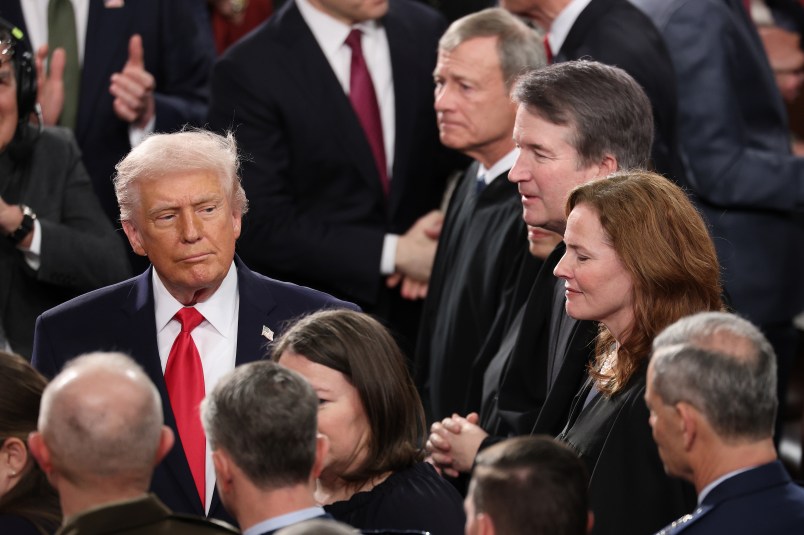
President Donald Trump has expressed frustration with national security adviser Michael Waltz over the use of the Signal app for discussing sensitive military operations, which inadvertently included journalist Jeffrey Goldberg in a group chat. The incident has raised security concerns, but Trump's irritation is reportedly more about Waltz having Goldberg's contact information than the app's use. Additionally, Trump's discussions with Waltz about withdrawing Rep. Elise Stefanik’s nomination as U.S. ambassador to the UN have added to his frustration, though both Waltz and Defense Secretary Pete Hegseth remain in their positions.
News Mash
The Texas Board of Pardons and Paroles has denied parole for Yolanda Saldívar, who was convicted of murdering Tejano music icon Selena Quintanilla Pérez in 1995. The board cited the brutal nature of the crime and Saldívar's potential threat to public safety as reasons for their decision. Saldívar, currently incarcerated in Gatesville, Texas, will have her next parole review in March 2030.
In a recent congressional hearing, tensions rose as Democrats criticized Republicans for considering the defunding of public media organizations like NPR and PBS, emphasizing their importance in providing educational content and local news. Despite testimonies from the CEOs of these organizations defending their societal contributions, House Republicans remained firm in their stance to reduce or eliminate funding, aligning with former President Trump's similar advocacy. This debate over public media funding reflects broader partisan divides and comes amid other political maneuvers, such as Trump's withdrawal of Rep. Elise Stefanik's U.N. ambassador nomination due to concerns over the GOP's narrow House majority.
A special election is set for April 1 to fill the House seat vacated by Mike Waltz, who resigned to address other responsibilities amid controversy over a group chat incident involving an Atlantic editor. This situation has led to scrutiny of Waltz's actions and discussions about his political future, despite former President Trump's public support. As candidates prepare for the election, voter demographics and perspectives, particularly those of Black men who supported Trump, are being analyzed to understand the political landscape and factors influencing voter decisions.
The U.S. government, led by Secretary of State Marco Rubio, has revoked 300 student visas as part of efforts to curb international student involvement in campus protests, citing activities like vandalism and harassment as grounds for such actions. This decision follows heightened scrutiny after protests at Columbia University related to the Gaza conflict, which involved significant student activism and drew national attention. The revocations have sparked concerns about due process and free speech rights, leading to a decline in student activism as international students fear losing their visas and facing severe penalties.
Republican lawmakers are deliberating the future of the 2017 tax cuts, with a key Senate decision pending that could allow these cuts to become permanent through the reconciliation process. The debate focuses on whether to use a "current policy" baseline to calculate the cost, potentially setting it at $0 and bypassing traditional budget negotiations, a move criticized for undermining Congress' budgetary authority. Democrats have limited involvement in these discussions, and the Congressional Budget Office estimates the extension would cost $4.6 trillion over the next decade, as Republicans aim to secure a budget resolution before the Easter recess to advance Trump's fiscal agenda.
The Trump administration is dealing with the repercussions of a Signal chat incident that mistakenly included Jeffrey Goldberg, leading to controversy over discussions about military actions against Houthi rebels in Yemen. National security adviser Michael Waltz is at the center of the controversy, with some calling for his dismissal, while others defend the chat participants. The incident has raised concerns about digital communication security, prompting some officials to alter their Venmo accounts and drawing criticism from Democrats and former national security officials about the potential risks of exposing sensitive information.
The Sundance Film Festival will relocate to Boulder, Colorado, in 2027 after over 40 years in Park City, Utah, following a comprehensive search process that began in 2023. The decision was influenced by Boulder's small-town charm, engaged community, natural beauty, and vibrant arts scene, which are seen as conducive to the festival's growth. Colorado Governor Jared Polis highlighted the anticipated economic and cultural benefits of the move, expressing excitement about the festival's potential to boost the local economy and enhance the state's commitment to the arts and film industry.