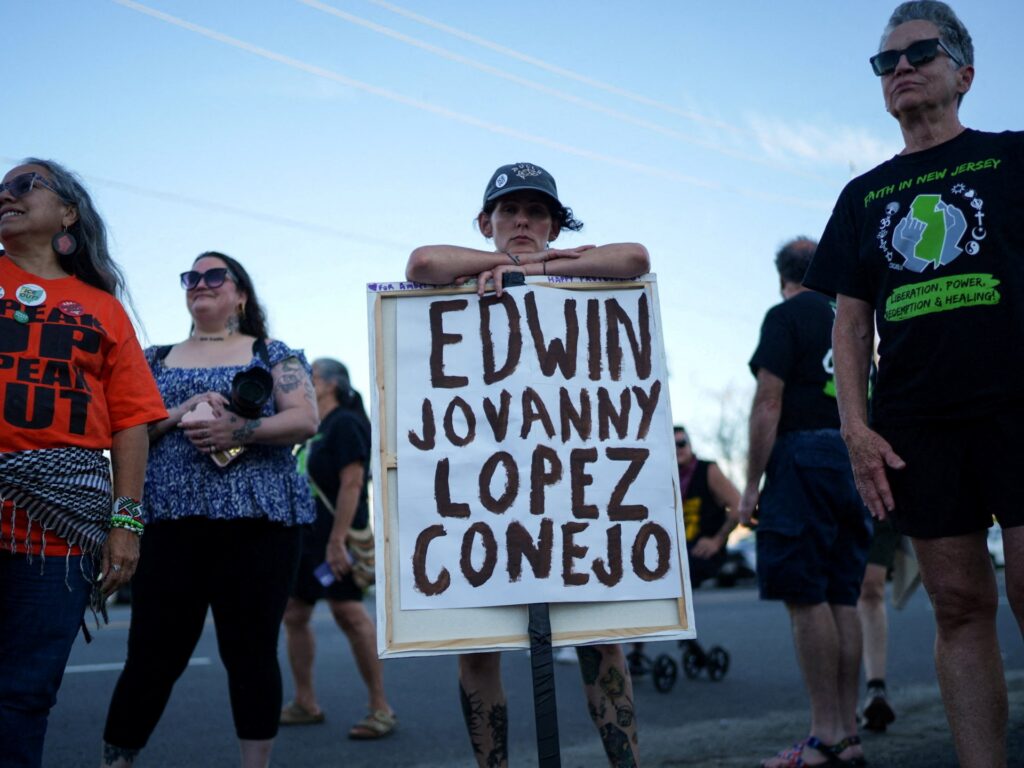
Edwin Lopez-Cornejo, 41, died after a medical emergency at Delaney Hall, becoming the 22nd person to die in ICE custody this year. His death renewed scrutiny of the New Jersey detention facility, where another detainee died eight months earlier.
News Mash

Federal prosecutors have dismissed misdemeanor charges against three more people accused of damaging the Lincoln Memorial Reflecting Pool. The move follows the dropped felony case against former Olympic canoeist David Hearn and a dispute over whether vandalism or faulty installation caused the damage.
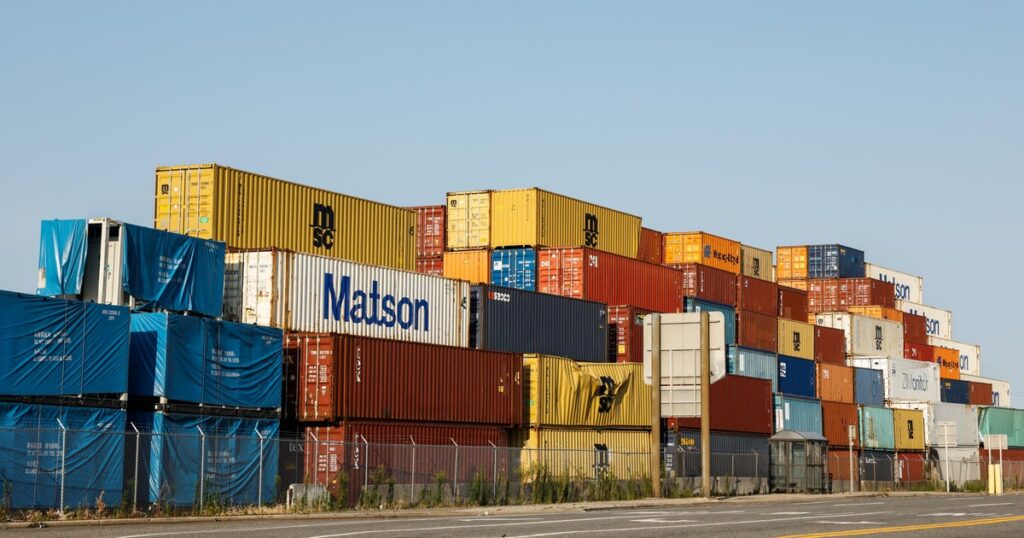
Twenty-five states sued the Trump administration over new tariffs of 10% to 12.5% on goods from 60 trading partners. The states say the tariffs are unlawful and seek to block them and secure refunds for duties already paid.
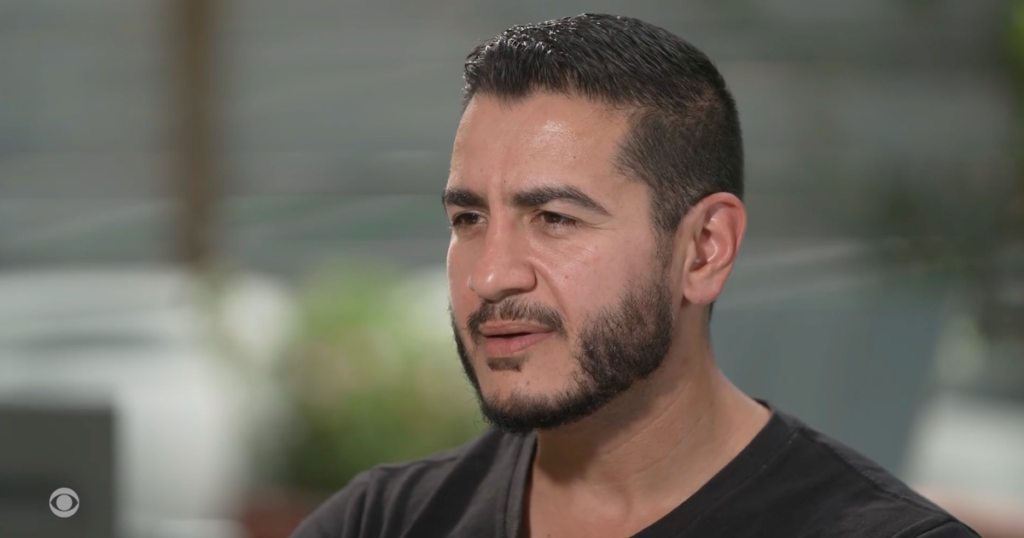
Abdul El-Sayed is challenging Rep. Haley Stevens in Michigan’s Democratic Senate primary, framing the race as a test of whether voters want a break from establishment politics. Stevens has major party backing, while El-Sayed has support from leading progressives and says his coalition can include Trump voters who want health care.

Trump sharply criticized U.S. Attorney Jeanine Pirro after the Justice Department dropped vandalism charges in the Lincoln Memorial Reflecting Pool case. Prosecutors said the damage stemmed from contractor error and a botched installation, not vandalism.

Trump warned Iran it had a final chance to reach a deal as U.S. officials told CBS News no new negotiations were planned. Iran says it is not holding direct talks with Washington and is working through Oman and other diplomatic channels.

The House Ethics Committee recommended censure for Rep. Chuck Edwards after finding he engaged in persistent inappropriate conduct toward two young female staffers. The panel said it found no evidence of sexual activity or explicit propositions but said his conduct violated House rules.
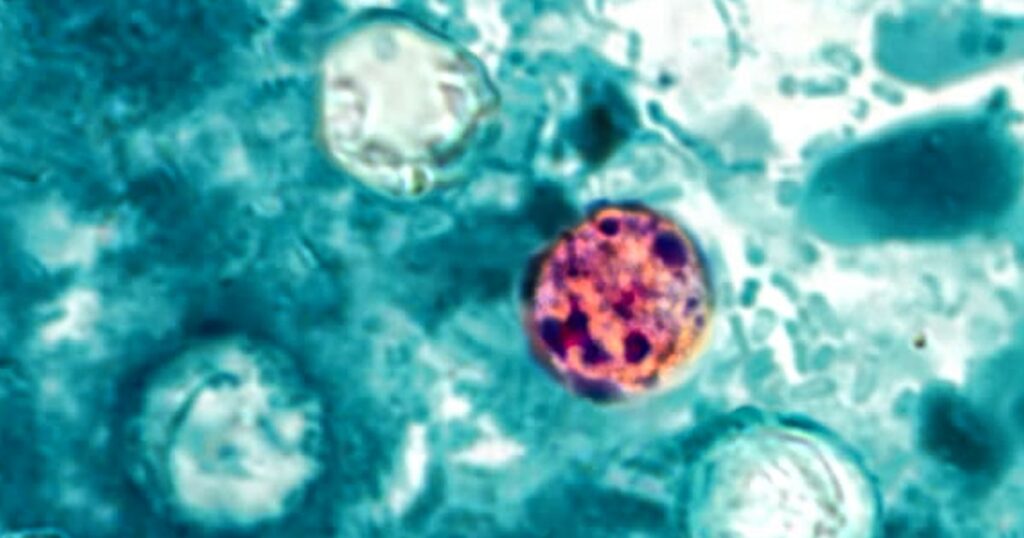
Michigan health officials reported two deaths among people who contracted cyclosporiasis, the first fatalities reported in the major U.S. outbreak. The illness has been linked to iceberg lettuce sourced from Taylor Farms operations in central Mexico, while authorities continue investigating possible sources.