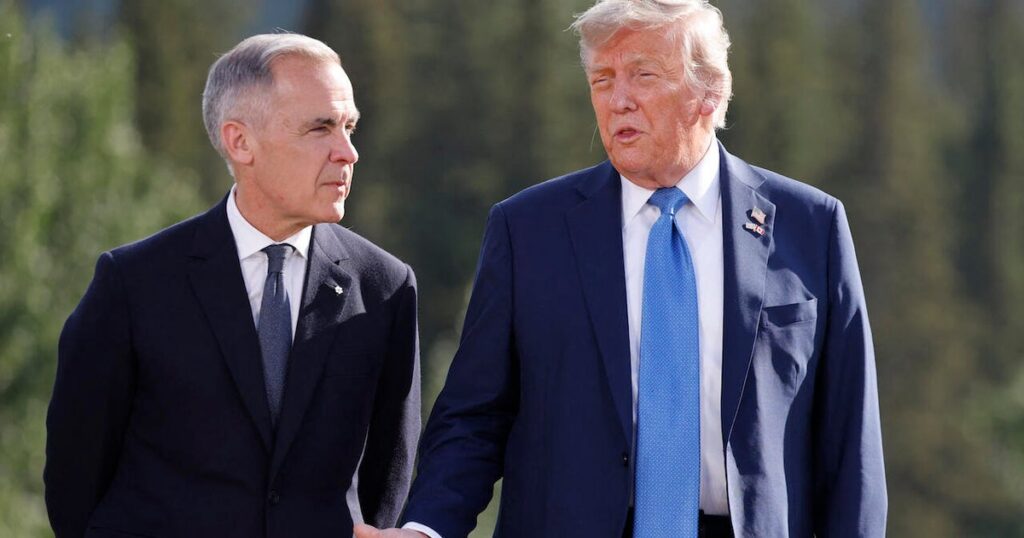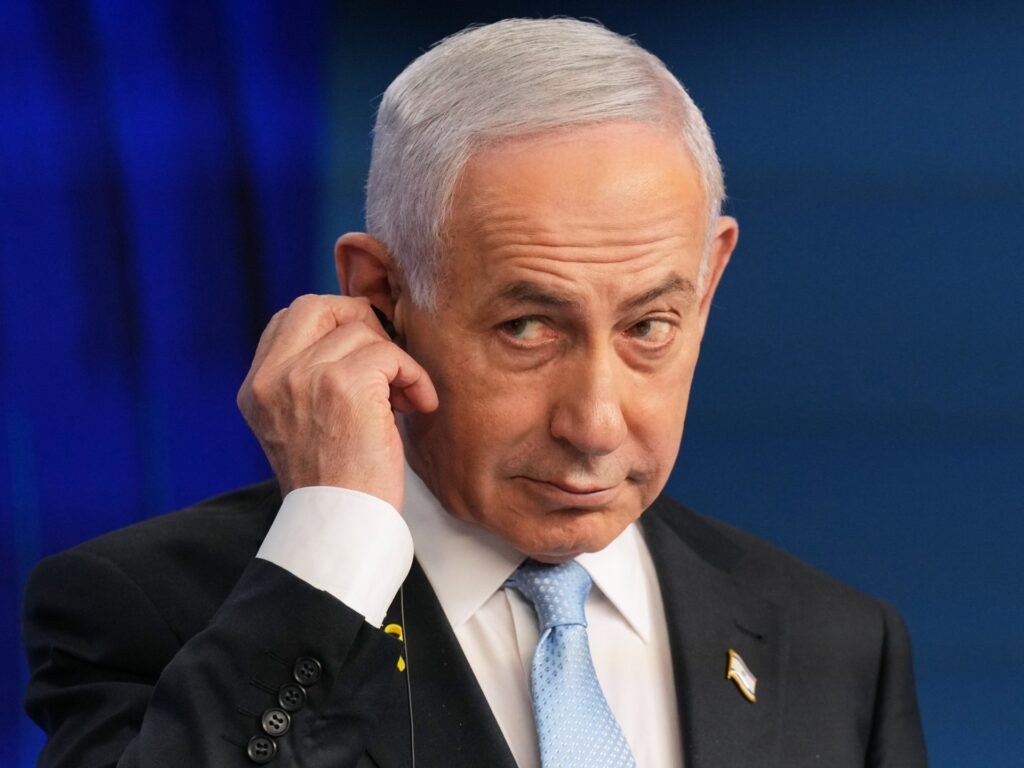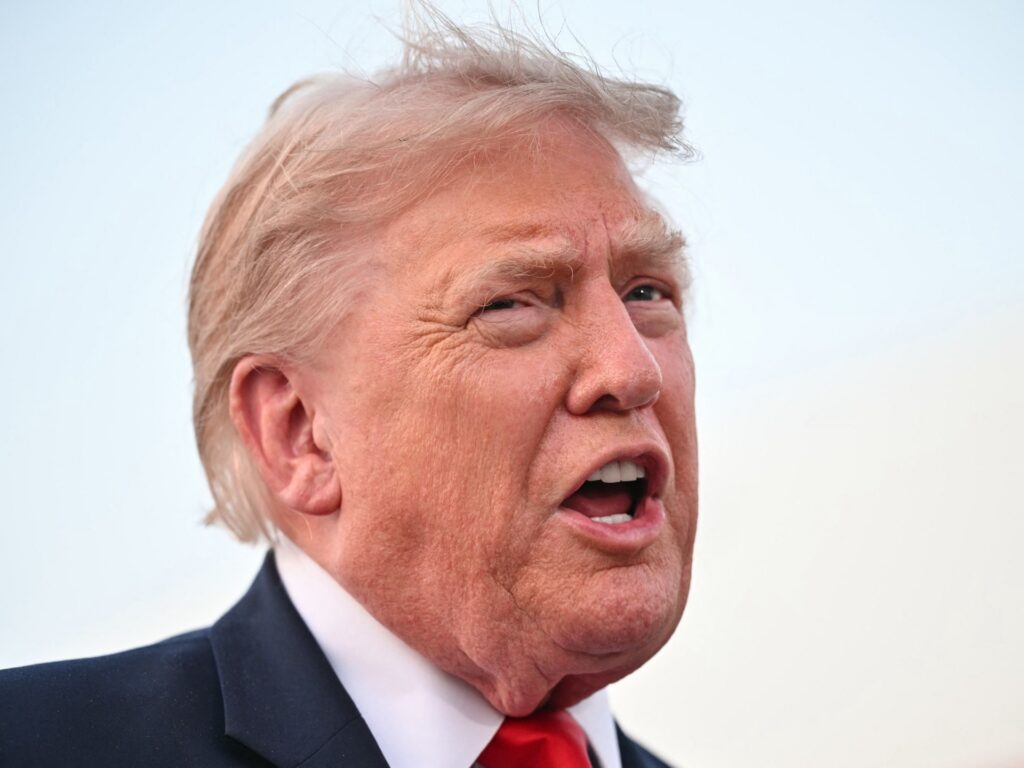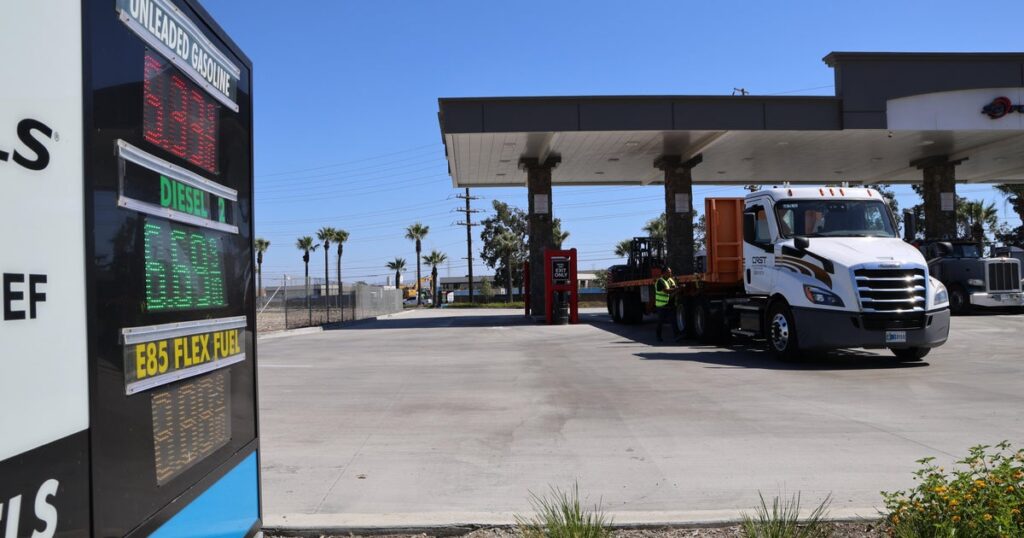
President Trump announced new tariffs on imports from around 90 countries, including a universal 10% tax and additional specific tariffs for certain nations, raising concerns about a global trade war. The tariffs have strained international relationships and contributed to economic uncertainty, particularly affecting countries like China with higher levies. Financial markets have reacted negatively, with significant declines in major indices such as the Russell 2000 and S&P 500, as investors and economists monitor the potential long-term impacts on global trade and economic stability.
Posts published in “World”
In a significant escalation of trade tensions, China has announced a 34% tariff on U.S. imports, effective April 10, following a similar move by the United States under President Donald Trump. The U.S. tariffs were introduced as a response to what the administration describes as unfair trade practices by China, including currency manipulation and existing trade barriers. This reciprocal imposition of tariffs has heightened concerns about global economic stability, as both nations play pivotal roles in international trade, highlighting the complexities of achieving balanced trade agreements.
The Constitutional Court of South Korea has removed President Yoon Suk Yeol from office following his impeachment, citing his declaration of martial law as a serious violation of the constitution. Despite expressing regret over the outcome, Yoon's People Power Party has accepted the court's decision, emphasizing the importance of upholding democracy and maintaining stability during the transition. Yoon acknowledged his shortcomings in meeting public expectations and expressed gratitude to his supporters, as the country now prepares for an election to select a new leader.
Global stock markets and oil prices fell sharply as investors sought safer assets following President Donald Trump's announcement of new U.S. trade tariffs, raising fears of a global recession. The tariffs, including a 10% baseline levy and additional reciprocal tariffs, particularly target Asian nations like China, which faces a 34% levy, prompting China to plan countermeasures. The tariffs have caused market fluctuations in Europe and sparked a global debate on the future of international trade, as approximately 90 countries will face additional taxes starting April 9.
President Donald Trump has announced new tariffs on imports from several Asian nations, including a significant 34% levy on Chinese goods, marking a major shift in U.S. trade policy. The termination of the de minimis trade exemption, effective May 2, is part of a broader strategy to counter perceived unfair trade practices, with additional reciprocal taxes set to impact goods from approximately 90 countries. These measures have sparked concerns about potential global trade disruptions and retaliatory actions, prompting stakeholders to prepare for changes that could affect supply chains and economic stability.
President Donald Trump announced new tariffs on imported goods, implementing a 10% baseline tariff on all foreign imports and higher reciprocal tariffs on countries that impose tariffs on U.S. exports. This marks a shift from his previous targeted approach, aiming to significantly alter the global trade landscape despite warnings of potential price increases. The administration's strategy, intended to address perceived unfair trade practices, risks retaliatory measures from affected countries and could lead to prolonged negotiations in global trade dynamics.
Israel has intensified its military operations in the Gaza Strip, with Defense Minister Israel Katz announcing plans to expand security zones to "crush and clean the area" of militants, as part of a broader strategy to enhance security following recent escalations. Despite a ceasefire proposal reportedly approved by Hamas, the specifics remain unclear, and Katz emphasized the necessity of a large-scale evacuation in affected areas. The expansion, particularly in the southern part of Gaza and the Netzarim corridor, is seen by Israel as crucial for national security, but it has raised concerns over humanitarian impacts and further encroachment on Palestinian territory.