Russian regional authorities said a Ukrainian drone attack on Nizhnekamsk in Tatarstan killed at least 12 people and wounded 39. The city is a major oil refining and petrochemical hub deep inside Russia.
Posts published in “World”

Trump said the U.S. is only “semi-negotiating” with Iran as Tehran demanded an end to the U.S. blockade and compensation before reopening the Strait of Hormuz. The regional conflict also widened with new Houthi attacks in Yemen and Israel’s rejection of a U.S.-backed Gaza plan.
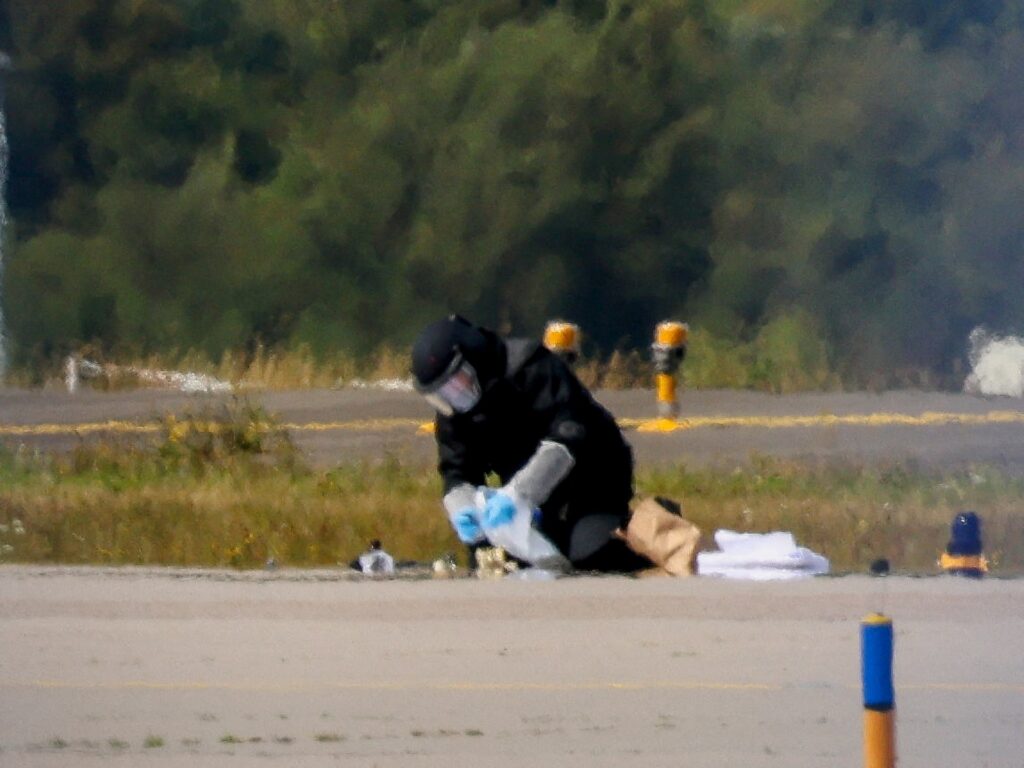
Germany’s military confirmed two drones were spotted over a base in Mechernich days after an explosive-laden drone was found at Leipzig/Halle Airport. Interior Minister Alexander Dobrindt said Germany is the daily target of hybrid warfare, while Russia denied accusations linked to the Leipzig incident.
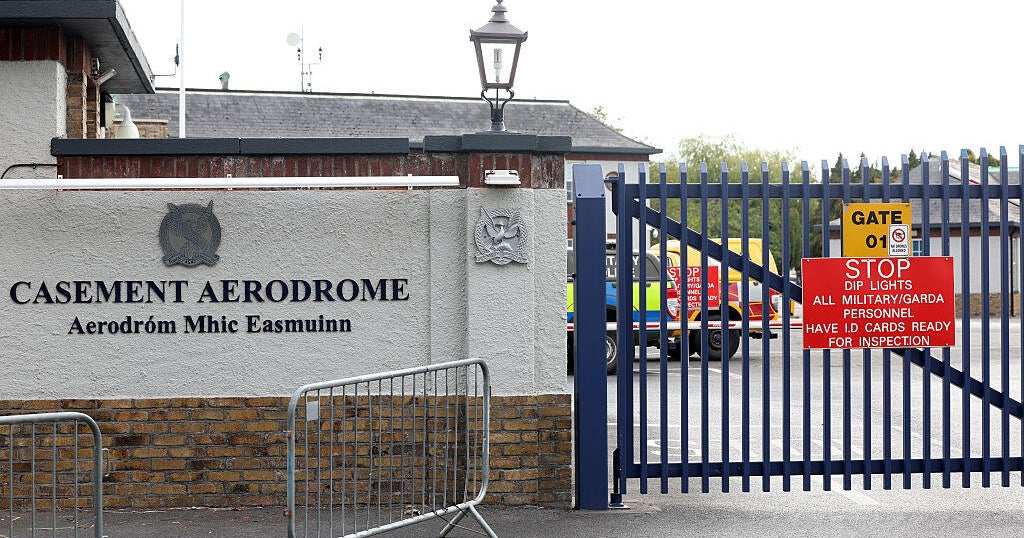
Daniel Kinahan, accused of leading a transnational Irish crime group, has been extradited from Dubai to Ireland and is expected to appear before the Special Criminal Court in Dublin. U.S. and European authorities have linked the Kinahan network to drug trafficking, money laundering, firearms trafficking and murder.
Italian divers have discovered a Roman shipwreck more than 2,000 years old off Sicily, still laden with hundreds of ancient amphorae. Officials say the site will be protected while experts investigate the vessel and its cargo.
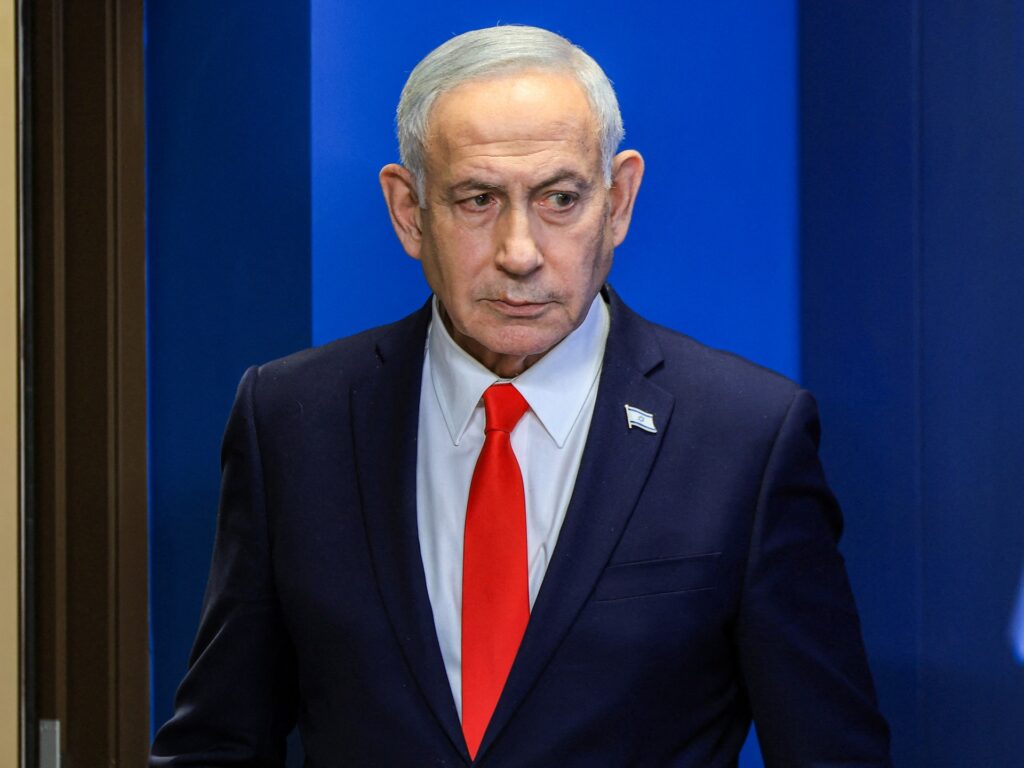
Israeli Prime Minister Benjamin Netanyahu said Israel rejects President Donald Trump’s 15-point Gaza plan and will not withdraw forces until Hamas is “genuinely” disarmed. Hamas has tied handing over heavy weapons to Israel ending aggression and withdrawing from Gaza.

Iran says the Strait of Hormuz will not fully reopen unless the United States meets a broad set of political, military and economic demands. President Masoud Pezeshkian says now is the “best time for an agreement,” while Iran’s foreign minister says no direct U.S.-Iran talks are under way.
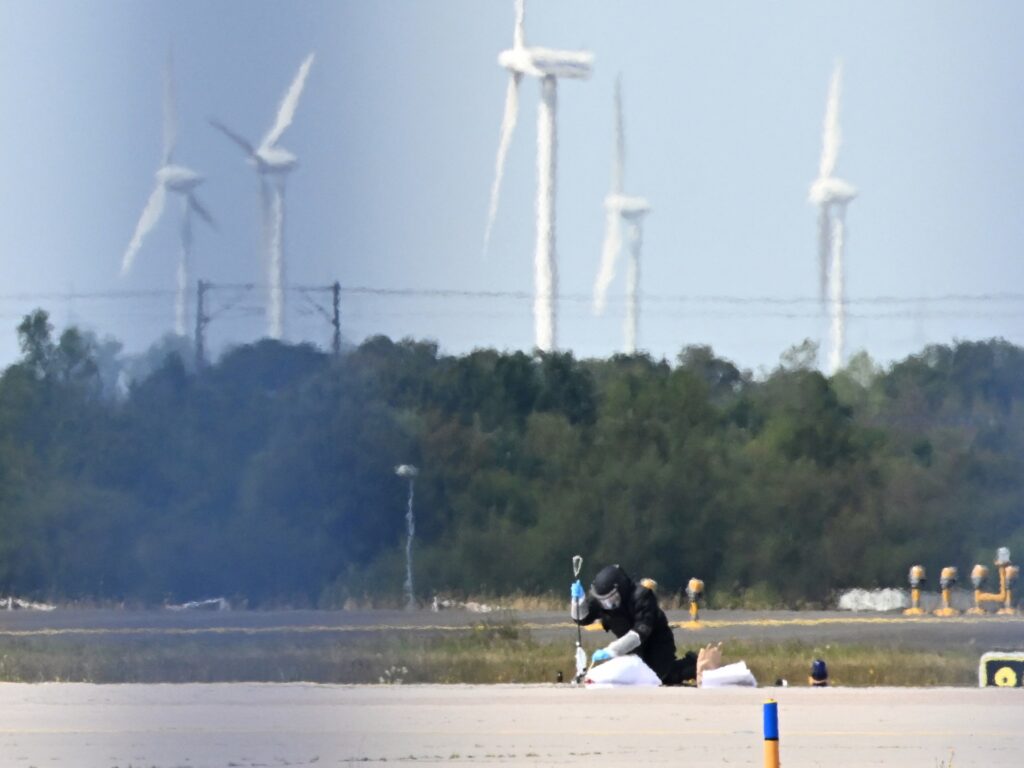
Germany is investigating drone sightings over a Bundeswehr base days after an explosive drone was found at Leipzig/Halle Airport. Bulgaria said a separate drone exploded near its border with Romania and a gas pipeline, causing no casualties.