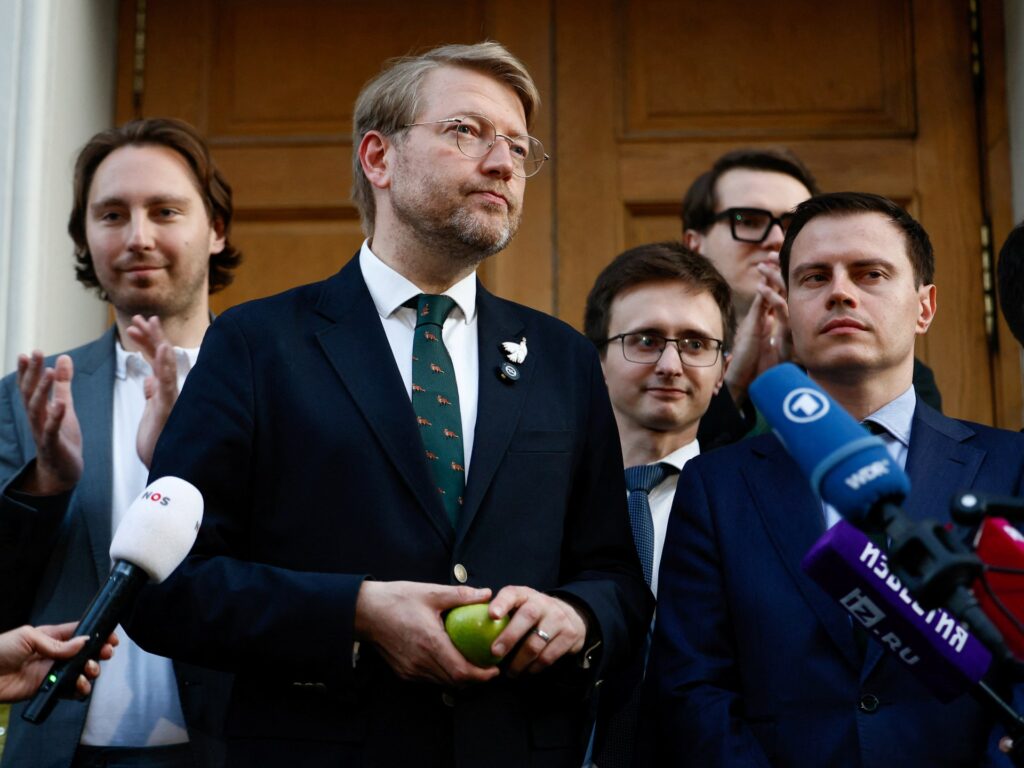
A Russian court has barred Yabloko, the only registered party openly opposing the war in Ukraine, from next month’s parliamentary elections. The party denies allegations brought by the pro-Kremlin nationalist party Rodina and says it will appeal.
Posts published in “World”
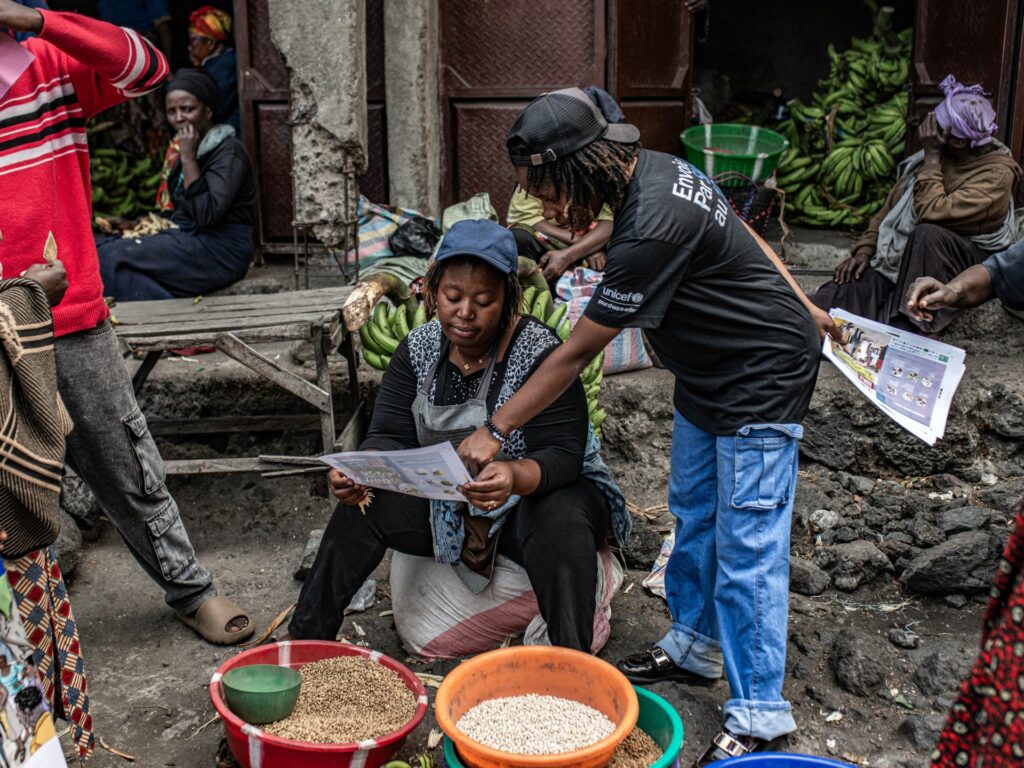
The WHO says DR Congo’s Ebola outbreak began in February, months before it was officially declared in May. Nearly 2,000 people have died as health teams face insecurity, delayed diagnoses and the lack of an approved Bundibugyo vaccine.
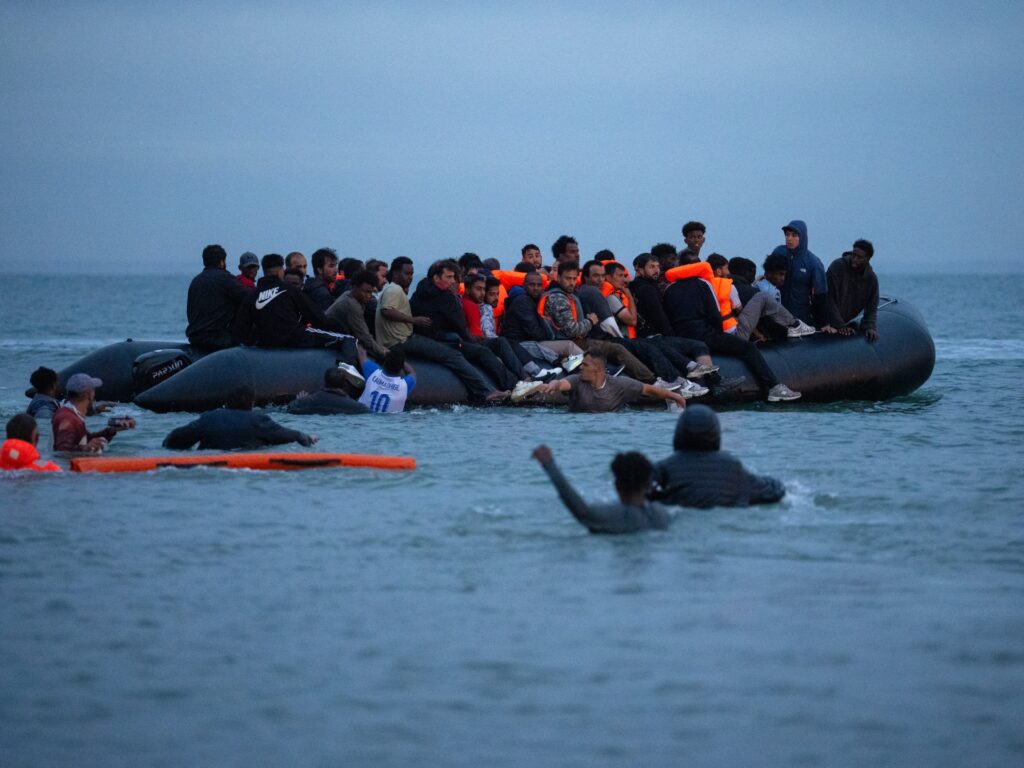
A record 230 people reached the UK in a single small boat after crossing the English Channel, surpassing the previous record of 165. Officials condemned smugglers for cramming people onto unsafe vessels while saying overall crossings are down this year.
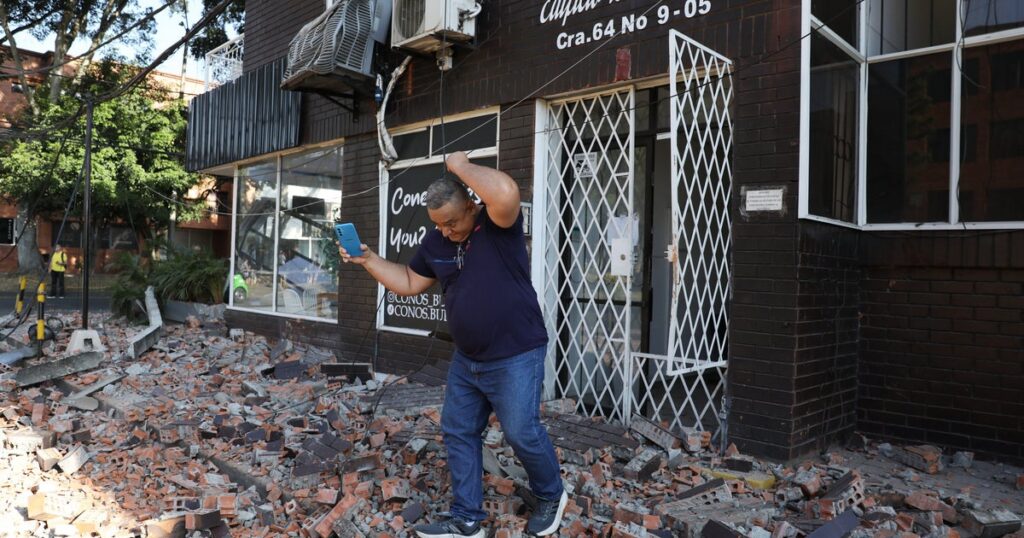
A magnitude-7.4 earthquake struck western Colombia, causing injuries and significant damage in Chocó province and shaking buildings as far away as Bogotá. Officials reported damage to regional airports and said assessments were underway.
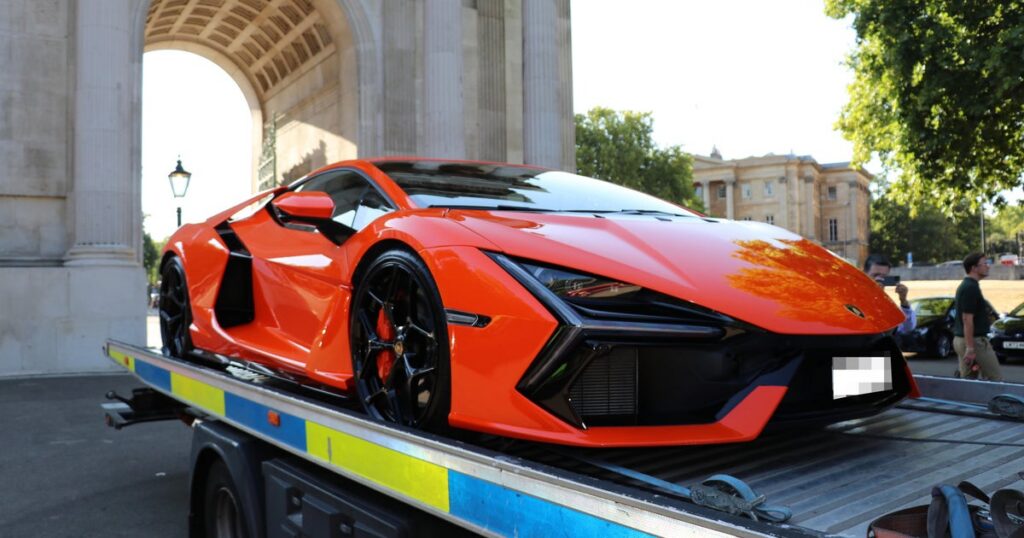
The Metropolitan Police seized 90 vehicles worth more than £8 million during a weekend crackdown on antisocial driving in Kensington, Chelsea and Hyde Park. The haul included a rare Ferrari Monza SP2 valued at about £3.7 million.
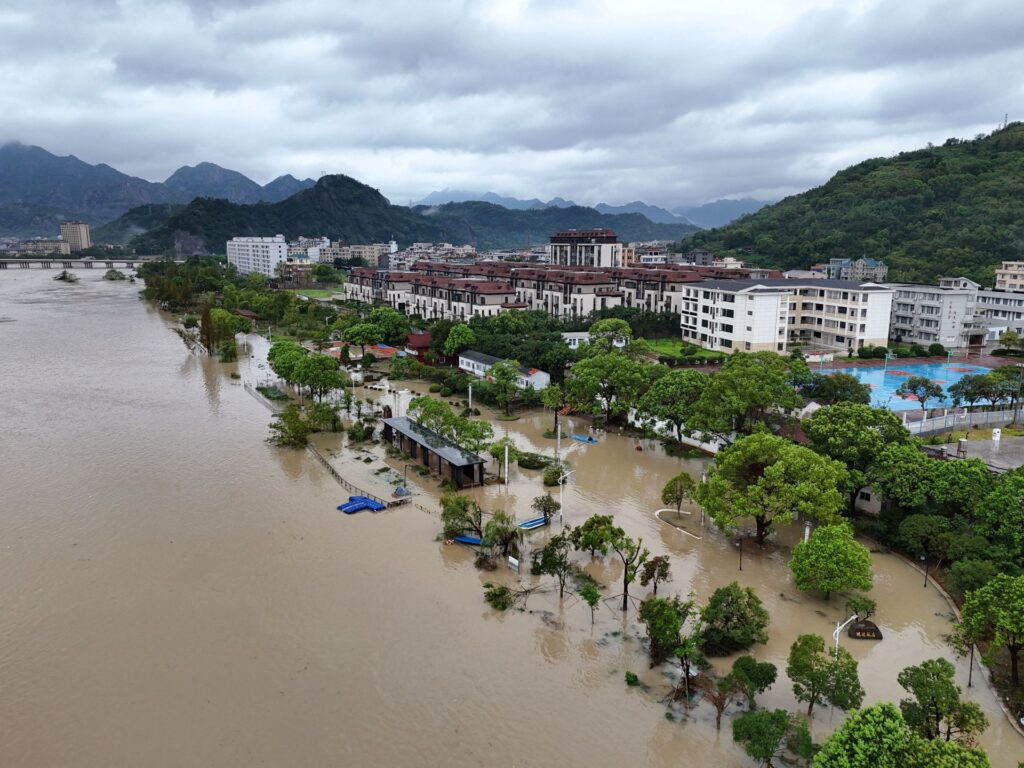
More than a million people have been evacuated as Tropical Storm Dolphin moves inland across eastern China after making landfall as the country’s strongest typhoon this year. Authorities warned of flooding and landslides as heavy rain spread toward central and northern provinces.
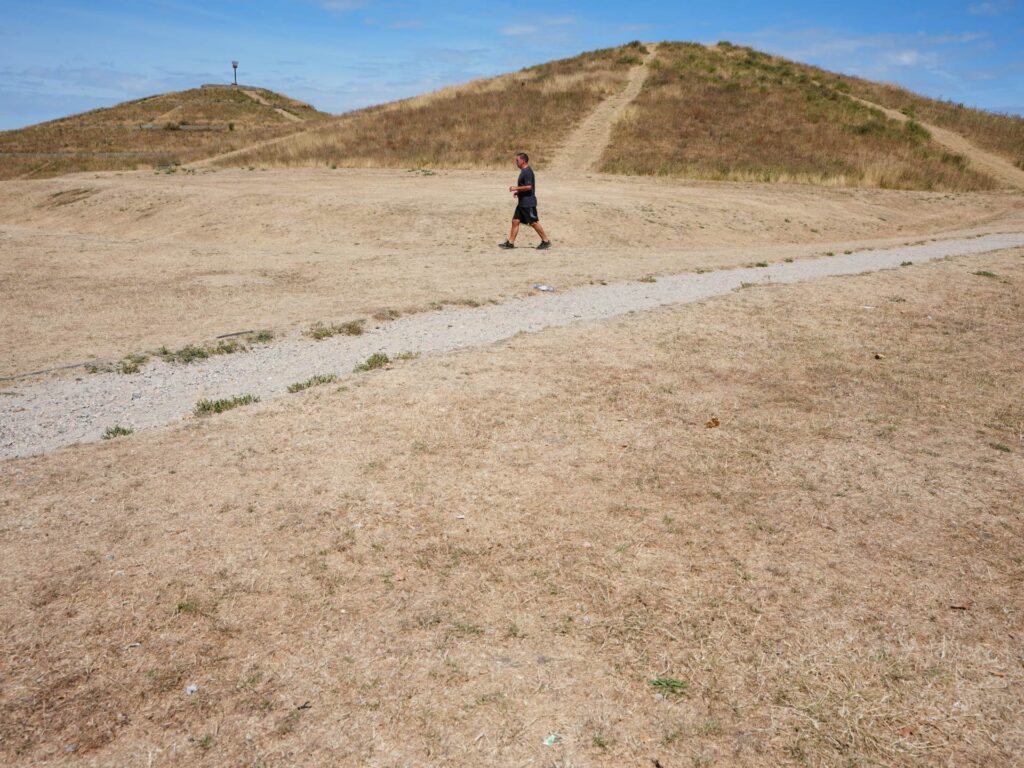
The world’s oceans recorded their hottest July temperature, while Western Europe had its hottest June and July on record, Copernicus said. The heat has intensified drought, lowered major rivers and fuelled severe wildfires across the region.
Former Thai lawmaker Chalong Reawraeng was arrested after allegedly shooting a Nonthaburi local government official and the official’s driver. The BBC reported the official died in hospital, while police initially said the victims were being treated and had not confirmed deaths.