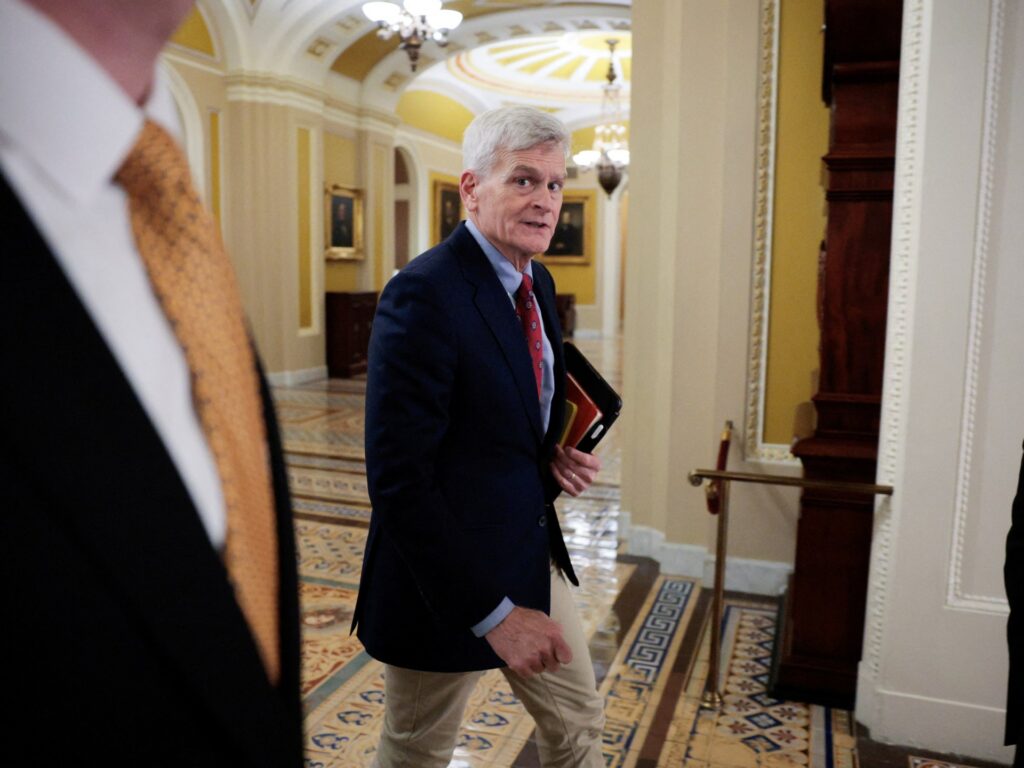
President Donald Trump’s interim agreement with Iran has drawn criticism from several Republicans over a planned $300bn reconstruction fund and concerns about Tehran’s nuclear programme. The 14-point memorandum commits both sides to end military operations and gives them 60 days to negotiate a final deal.
Posts published in “World”
Trump and Iranian President Masoud Pezeshkian signed a 60-day initial agreement to halt the war, reopen the Strait of Hormuz and begin talks on Iran’s nuclear program. The deal drew praise from G7 leaders and sharp criticism from U.S. lawmakers and Iranian hardliners.
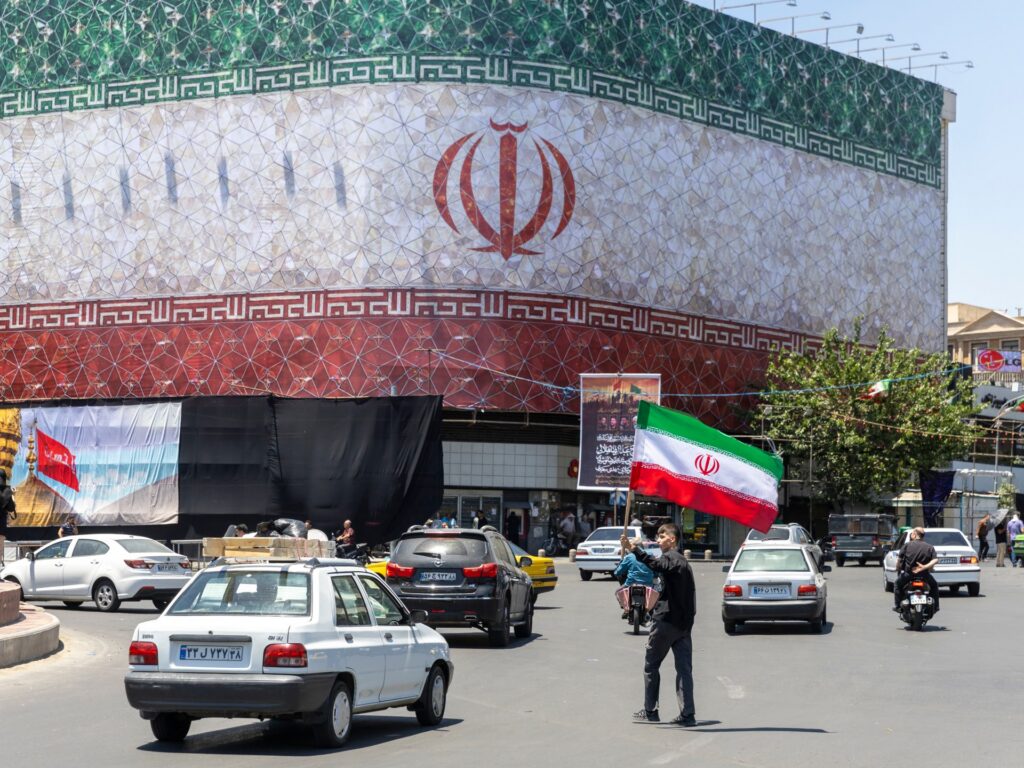
The United States and Iran have electronically signed a memorandum intended to halt the war and launch 60 days of talks toward a final agreement. The document includes sanctions relief, nuclear commitments, Strait of Hormuz provisions and a proposed $300 billion reconstruction plan for Iran.

A senior U.S. official gave the clearest account yet of an unreleased 14-point memorandum with Iran that would halt fighting, lift a naval blockade and start 60 days of talks. Iranian officials have not confirmed the U.S. version of the text.
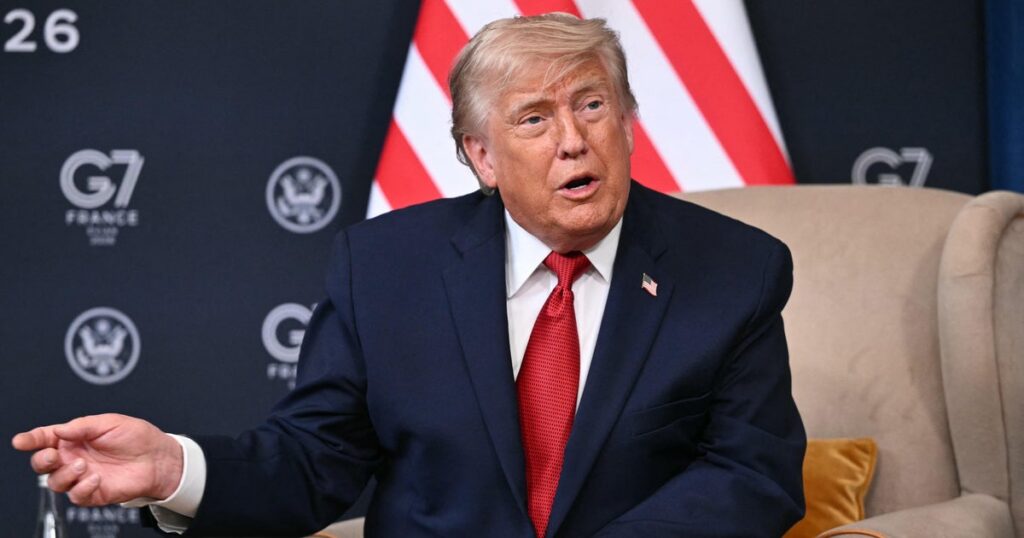
Trump said the U.S.-Iran memorandum is not a final deal and warned bombing could resume if a broader agreement is not reached. The 14-point framework calls for a ceasefire, reopening the Strait of Hormuz, nuclear limits, sanctions relief and further talks within 60 days.
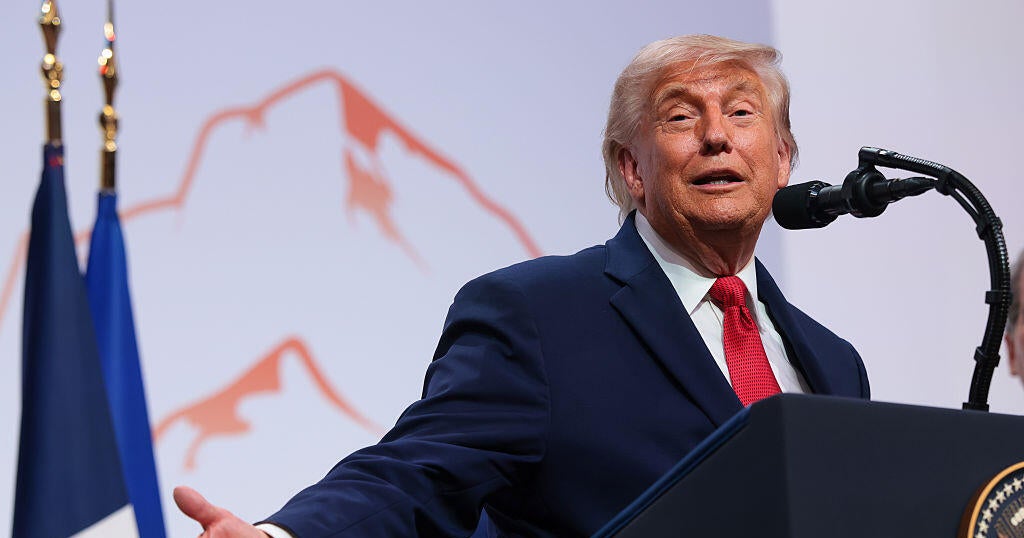
Iran says it is considering whether Presidents Masoud Pezeshkian and Donald Trump should sign a Swiss memorandum of understanding opening 60 days of negotiations. The draft framework covers a halt to military operations, sanctions relief, Iran’s nuclear program and Strait of Hormuz shipping.

The Makerfield by-election could return Andy Burnham to Parliament and open the door to a Labour leadership challenge against Prime Minister Keir Starmer. Polls suggest Burnham leads Reform UK’s Robert Kenyon, but the race is close.
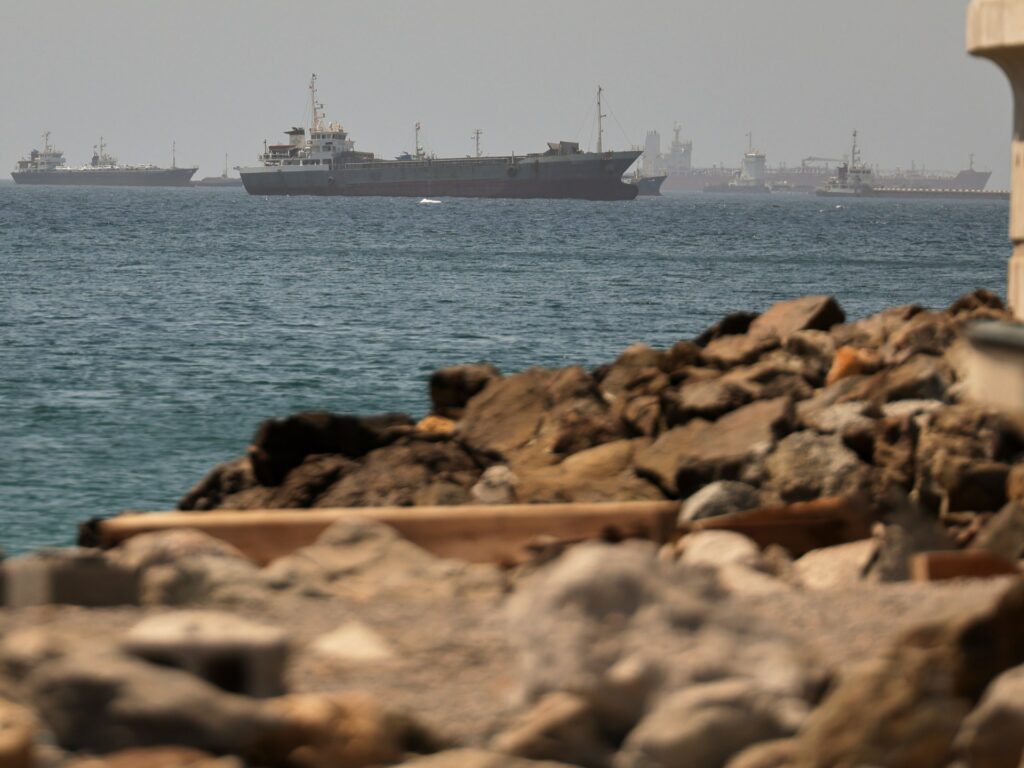
Brent crude fell to its lowest level since early March as markets anticipated a US-Iran framework agreement that could reopen the Strait of Hormuz. Shipping groups and analysts warned that restoring normal energy flows could still take weeks or months.