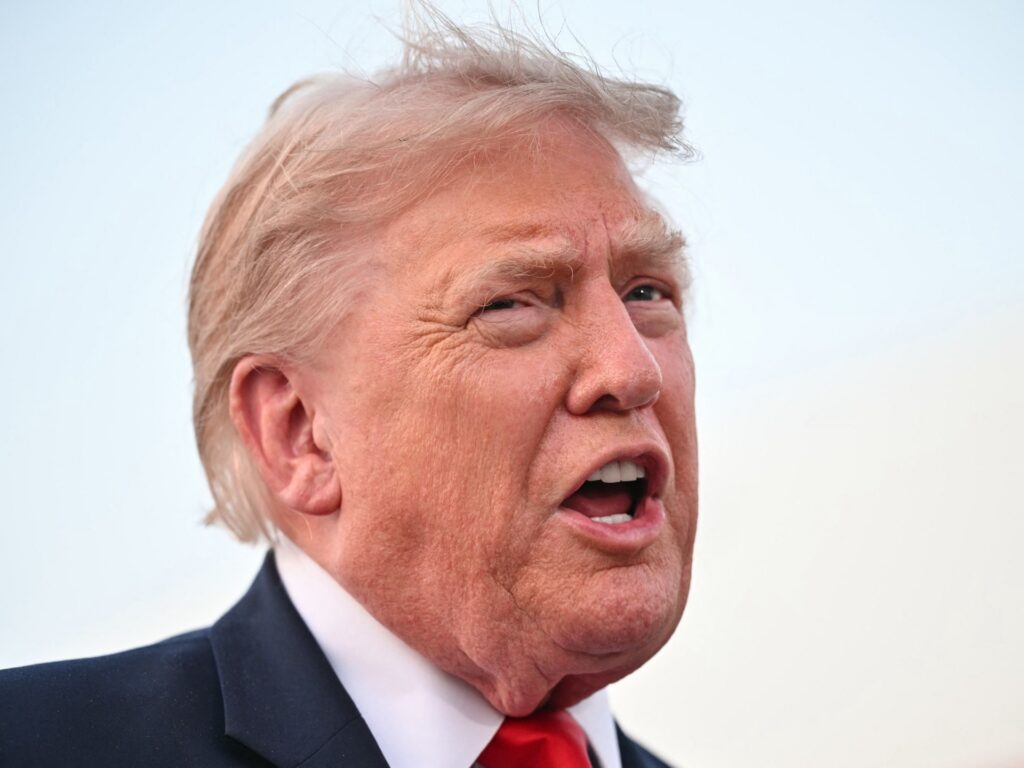
Joe Kent, director of the National Counterterrorism Center and a retired Green Beret, resigned abruptly in protest of the U.S. war in Iran, arguing that Iran posed no imminent threat and that the conflict was driven by pressure from Israel and its American lobby. His departure marks the most high-profile resignation within the Trump administration over the Iran conflict and highlights internal dissent regarding U.S. military intervention in the Middle East. Kent’s stance aligns with other critics of the war, such as intelligence director Tulsi Gabbard, and underscores ongoing tensions about foreign policy direction within the administration.
Posts published in “US”
Gregory Bovino, a senior U.S. Border Patrol official known for leading aggressive immigration raids in major cities, is retiring at the end of this month amid controversy. His tenure included criticized operations in Los Angeles and other cities, culminating in backlash after fatal shootings during an enforcement action in Minneapolis and legal challenges over his tactics. Bovino’s retirement coincides with leadership changes at the Department of Homeland Security and marks the conclusion of a contentious period in Trump-era immigration enforcement.
The partial government shutdown has caused significant delays at U.S. airport security checkpoints due to TSA employees missing paychecks, leading to increased resignations and callouts that strain staffing levels nationwide. Key airports like Atlanta, Austin, and Houston are experiencing severe wait times, with TSA officials warning that the situation will worsen unless funding is restored. The shutdown, rooted in a political deadlock over immigration policy, has left many TSA workers struggling financially, prompting calls from airlines and officials for Congress to resolve the impasse to stabilize airport operations.
Cybersecurity firm Nisos uncovered a sophisticated North Korean scheme involving at least 20 operatives using stolen American identities to secure remote jobs at U.S. companies, funneling money back to North Korea and potentially stealing sensitive information. The investigation revealed the operatives applied to over 160,000 U.S. job roles and communicated frequently in English, with the FBI and law enforcement labeling the scheme a significant national security threat. These activities help North Korea evade sanctions and fund illicit programs, while U.S. authorities continue to address related security and political challenges domestically and internationally.

Thirteen U.S. Service Members Killed in Iran Conflict as VA Mental Health Care Faces Staffing Crisis
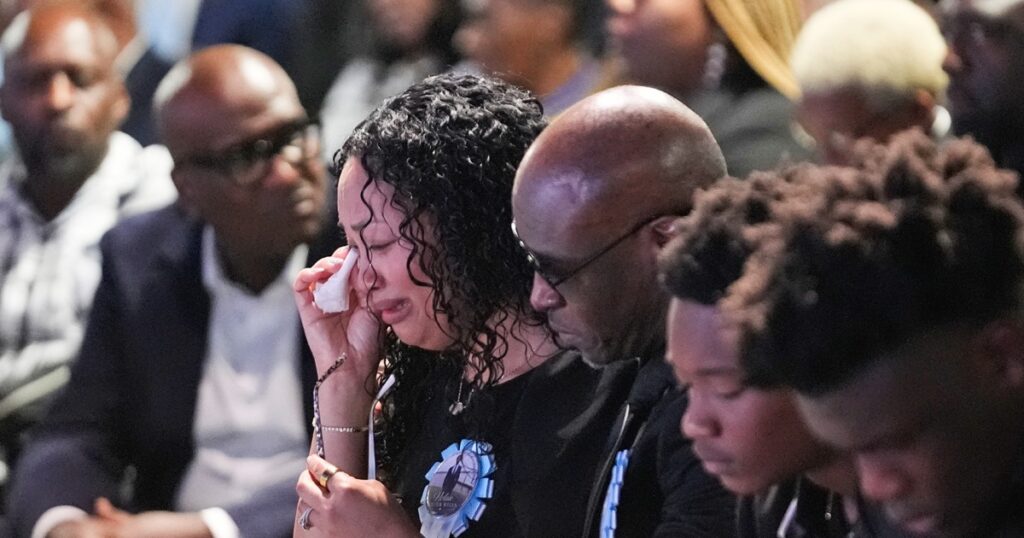
Since the conflict with Iran began in late February, 13 American service members from diverse backgrounds have died, including six from a U.S. Army Reserve unit in Iowa and others in incidents across the Middle East. Among the fallen are Capt. Cody A. Khork of Florida, Sgt. Nicole M. Amor of Minnesota, and Sgt. Declan J. Coady of Iowa, each honored for their service and sacrifice by family and local officials. Separately, a ProPublica investigation reveals ongoing challenges in the Department of Veterans Affairs mental health system, with significant staff reductions and increased difficulties for veterans seeking consistent care despite the administration’s claims of improvement.
The Pentagon provided updates on the U.S.-Iran conflict, reporting a significant reduction in Iran’s missile capabilities and ongoing investigations into a recent U.S. tanker crash in Iraq. Despite extensive U.S. strikes on Iranian targets, Iranian attacks continue, impacting global oil prices and prompting temporary easing of sanctions on Russian oil to stabilize markets. Public opinion remains divided over the conflict, with mixed messaging from U.S. officials and Iran asserting its intent to control the Strait of Hormuz and sustain attacks in the region.
The conflict involving Iran in the Middle East has intensified over nearly two weeks, marked by a tragic U.S. military aircraft crash in Iraq, persistent Iranian drone and missile attacks on Gulf allies, and rising tensions fueled by President Trump’s aggressive rhetoric. These attacks have disrupted critical shipping routes like the Strait of Hormuz, prompting discussions of U.S. naval escorts to protect oil tankers amid soaring global energy prices. Meanwhile, Iran’s internal crackdown on protests and calls from international leaders for regime change highlight the multifaceted and volatile nature of the ongoing crisis.