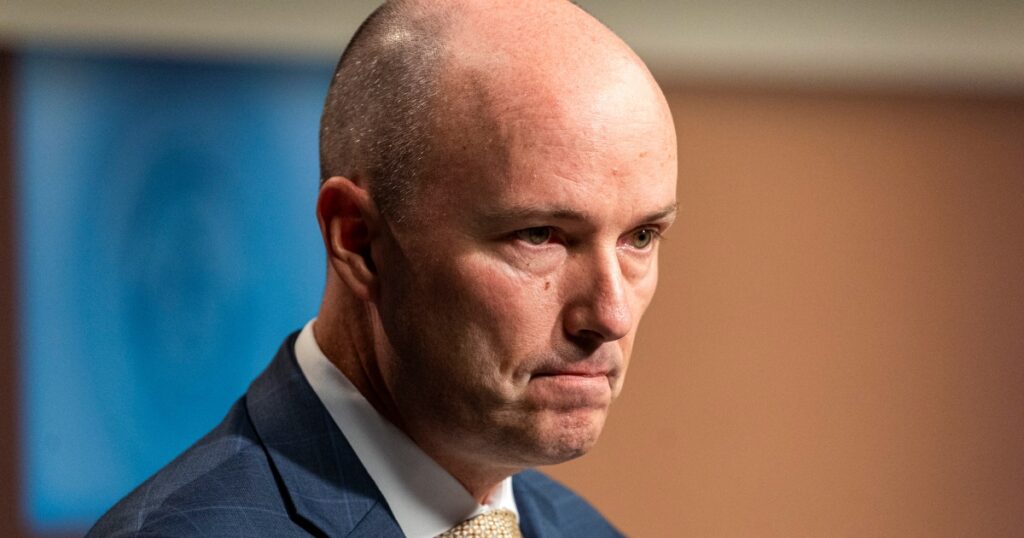
Utah has become the first state in the U.S. to ban the addition of fluoride to its public water systems, following Governor Spencer J. Cox's signing of the bill into law on March 27. This decision has sparked debates about the safety and necessity of water fluoridation, a practice traditionally used to prevent tooth decay and supported by many health organizations. While Governor Cox expressed minimal personal concern over the bill, its passage has significant implications for public health policy and may influence similar discussions in other states.
Posts published in “US”
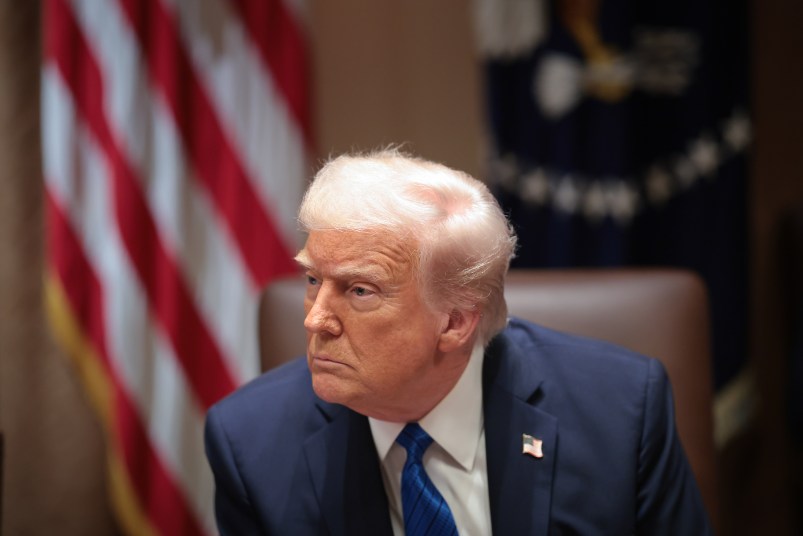
The Justice Department has requested emergency intervention from the Supreme Court after a federal appeals court in Washington blocked the deportation of individuals suspected to be members of the Tren de Aragua gang to El Salvador, a move initially pursued under the Trump administration using the wartime Alien Enemies Act. This legal conflict, which involves U.S. District Judge James Boasberg deliberating on potential contempt of court by the administration, highlights the ongoing tension between the executive branch and the judiciary over immigration policies and the use of wartime authority. The split decision by the appeals court, with Judges Karen Henderson and Patricia Millett in the majority and Judge Justin Walker dissenting, underscores differing judicial perspectives on national security and immigration enforcement, with Acting Solicitor General Sarah Harris noting the case's potential impact on the separation of powers.
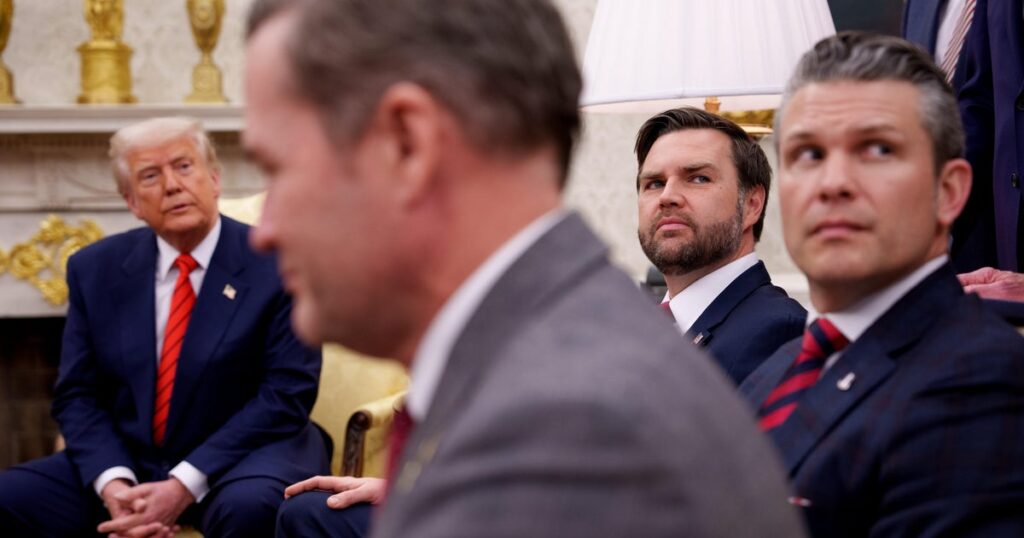
President Donald Trump has expressed frustration with national security adviser Michael Waltz over the use of the Signal app for discussing sensitive military operations, which inadvertently included journalist Jeffrey Goldberg in a group chat. The incident has raised security concerns, but Trump's irritation is reportedly more about Waltz having Goldberg's contact information than the app's use. Additionally, Trump's discussions with Waltz about withdrawing Rep. Elise Stefanik’s nomination as U.S. ambassador to the UN have added to his frustration, though both Waltz and Defense Secretary Pete Hegseth remain in their positions.
In a recent congressional hearing, tensions rose as Democrats criticized Republicans for considering the defunding of public media organizations like NPR and PBS, emphasizing their importance in providing educational content and local news. Despite testimonies from the CEOs of these organizations defending their societal contributions, House Republicans remained firm in their stance to reduce or eliminate funding, aligning with former President Trump's similar advocacy. This debate over public media funding reflects broader partisan divides and comes amid other political maneuvers, such as Trump's withdrawal of Rep. Elise Stefanik's U.N. ambassador nomination due to concerns over the GOP's narrow House majority.
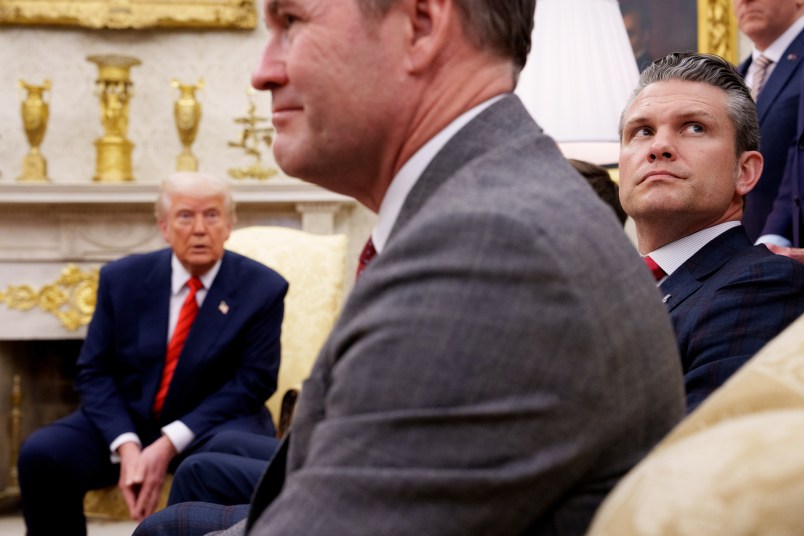
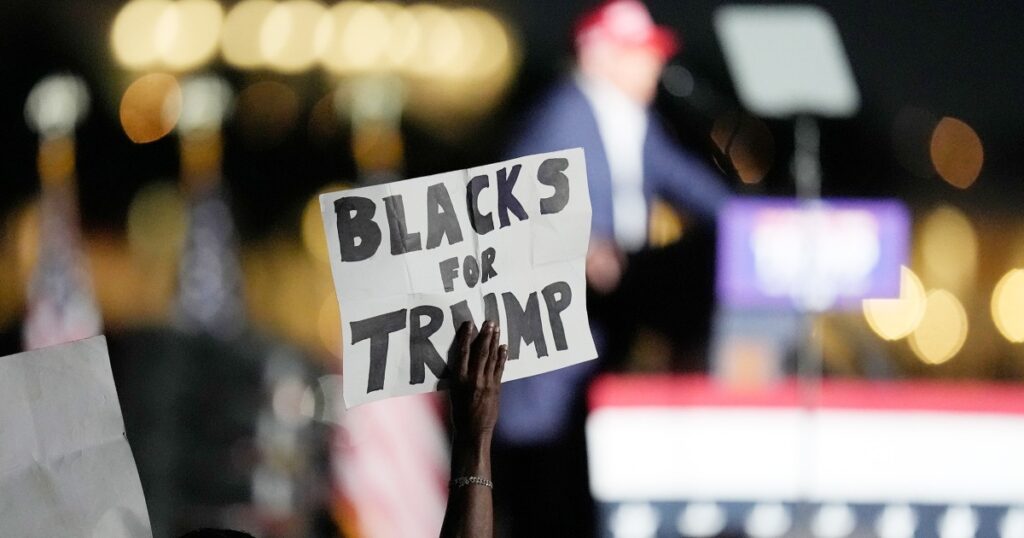
A special election is set for April 1 to fill the House seat vacated by Mike Waltz, who resigned to address other responsibilities amid controversy over a group chat incident involving an Atlantic editor. This situation has led to scrutiny of Waltz's actions and discussions about his political future, despite former President Trump's public support. As candidates prepare for the election, voter demographics and perspectives, particularly those of Black men who supported Trump, are being analyzed to understand the political landscape and factors influencing voter decisions.
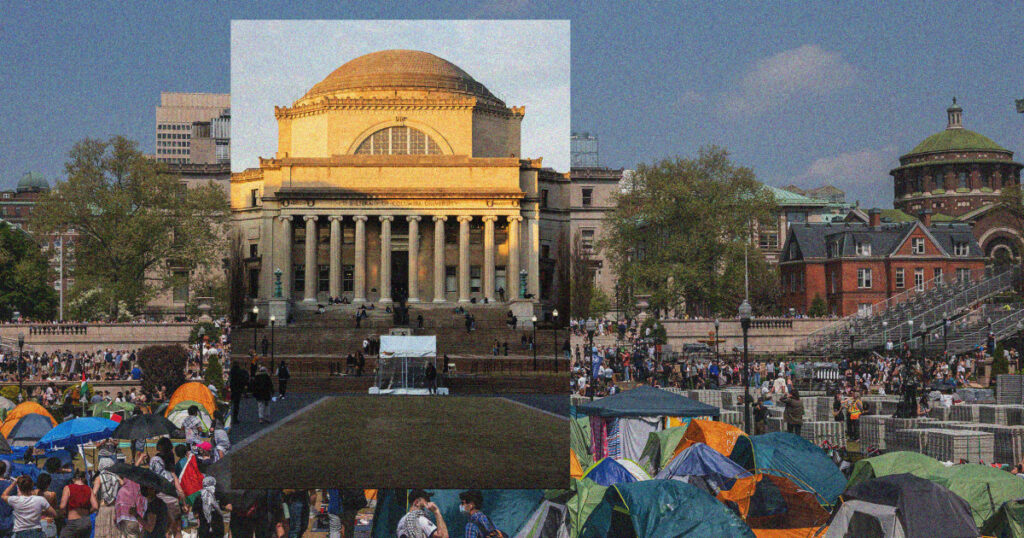
The U.S. government, led by Secretary of State Marco Rubio, has revoked 300 student visas as part of efforts to curb international student involvement in campus protests, citing activities like vandalism and harassment as grounds for such actions. This decision follows heightened scrutiny after protests at Columbia University related to the Gaza conflict, which involved significant student activism and drew national attention. The revocations have sparked concerns about due process and free speech rights, leading to a decline in student activism as international students fear losing their visas and facing severe penalties.
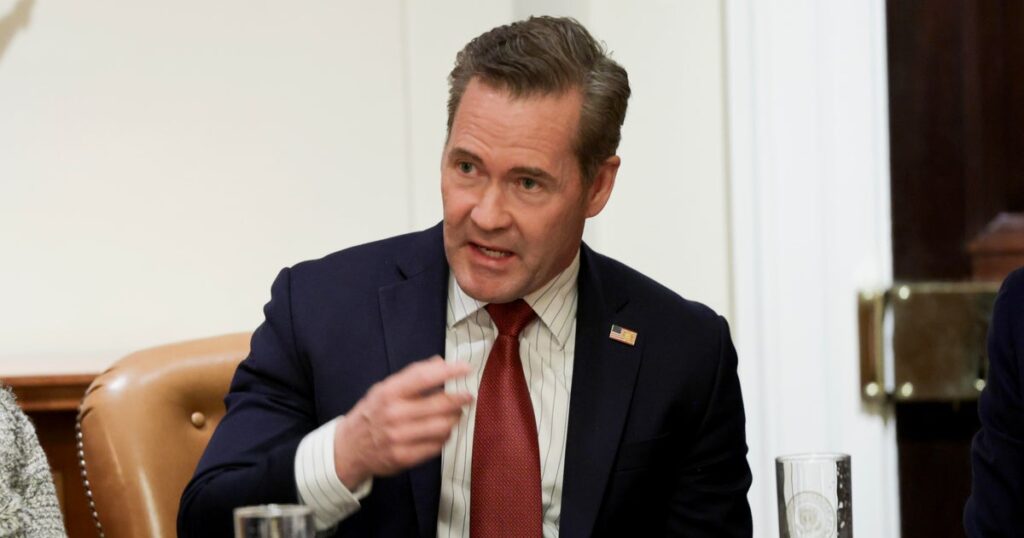
The Trump administration is dealing with the repercussions of a Signal chat incident that mistakenly included Jeffrey Goldberg, leading to controversy over discussions about military actions against Houthi rebels in Yemen. National security adviser Michael Waltz is at the center of the controversy, with some calling for his dismissal, while others defend the chat participants. The incident has raised concerns about digital communication security, prompting some officials to alter their Venmo accounts and drawing criticism from Democrats and former national security officials about the potential risks of exposing sensitive information.
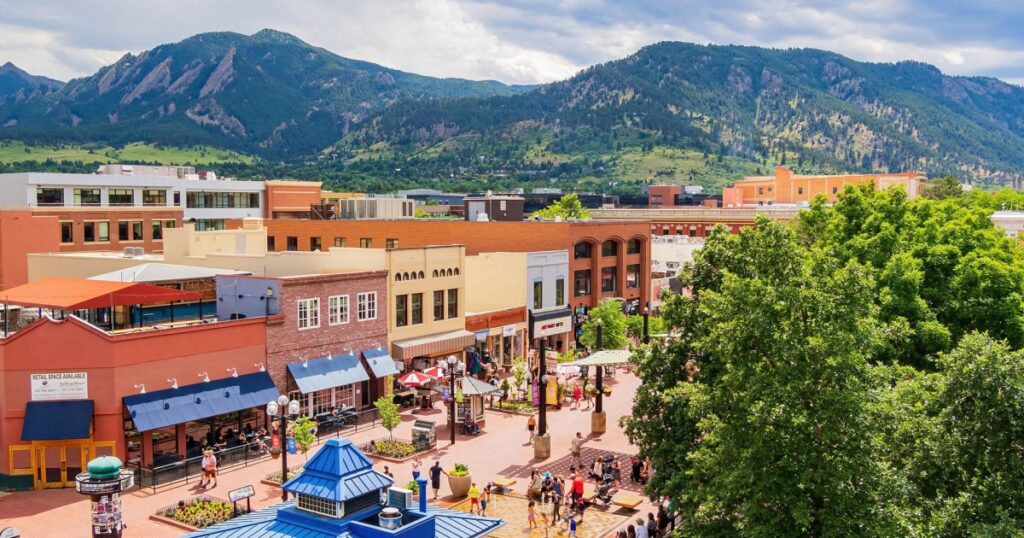
The Sundance Film Festival will relocate to Boulder, Colorado, in 2027 after over 40 years in Park City, Utah, following a comprehensive search process that began in 2023. The decision was influenced by Boulder's small-town charm, engaged community, natural beauty, and vibrant arts scene, which are seen as conducive to the festival's growth. Colorado Governor Jared Polis highlighted the anticipated economic and cultural benefits of the move, expressing excitement about the festival's potential to boost the local economy and enhance the state's commitment to the arts and film industry.