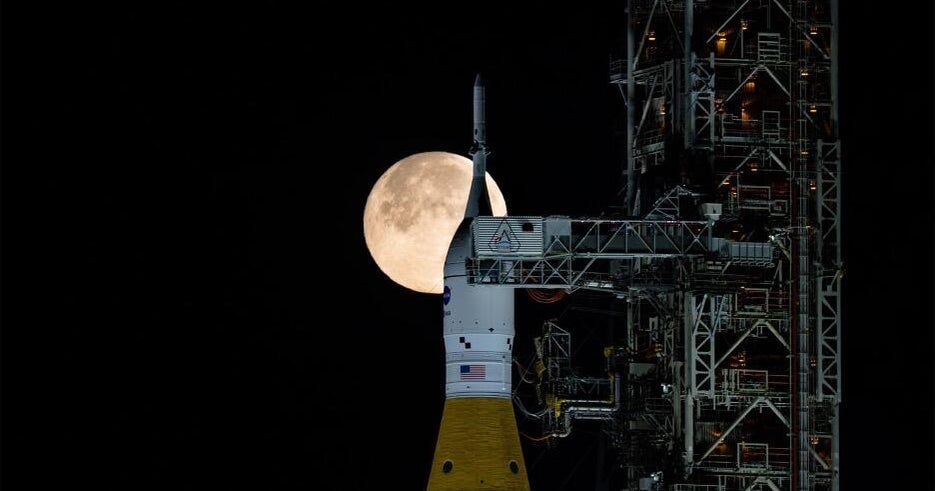
NASA will launch the Artemis II mission on April 1, sending four astronauts on a nine-day journey around the moon and back, marking the first crewed flight of the Space Launch System rocket and Orion spacecraft. The mission will test Orion’s systems in deep space without landing on the moon, aiming to surpass the Apollo 13 distance record and gather valuable data for future lunar exploration. Artemis II is a key step toward NASA’s goal of establishing a sustainable human presence on the moon, with subsequent missions planned to achieve crewed lunar landings by 2028.
Posts published in “US”

Recent challenges in U.S. air travel include TSA staffing shortages and delays caused by a Department of Homeland Security shutdown, which left TSA workers unpaid until President Trump ordered back pay. Safety concerns have intensified following a fatal midair collision near Washington, D.C., highlighting overcrowded airspace and systemic issues at Ronald Reagan Washington National Airport. These problems, compounded by political gridlock and increasing passenger volumes, have prompted calls for comprehensive reforms to improve aviation security and safety.
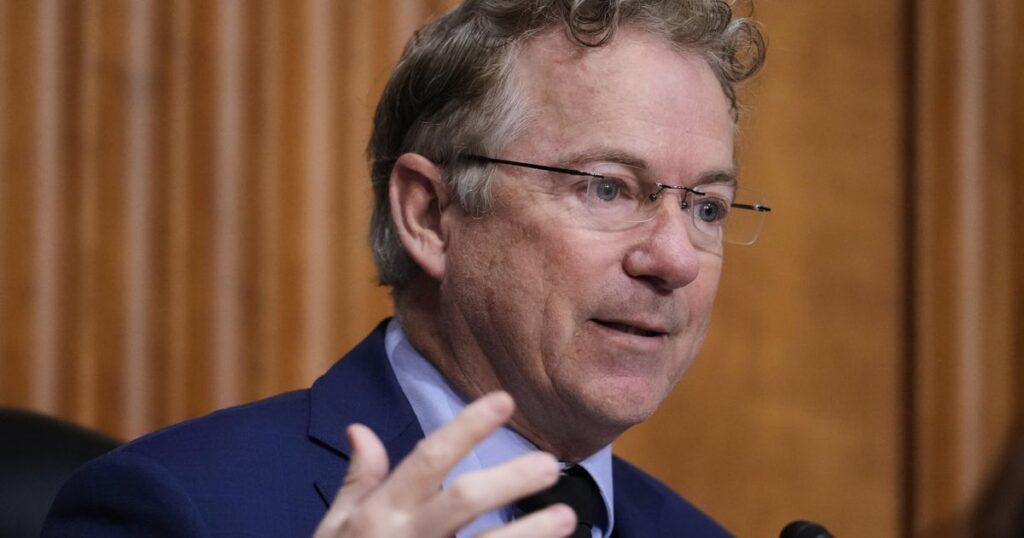
Senator Rand Paul is the only Senate Republican opposing President Trump’s military strikes against Iran, citing the lack of congressional authorization and emphasizing constitutional checks and balances. He warned of political and economic fallout from escalating conflict and plans to block a $200 billion supplemental war funding request, linking it to ongoing fiscal disputes like the prolonged DHS shutdown. The shutdown has severely impacted airport security, causing TSA staffing shortages and long wait times, with ICE agents temporarily filling gaps amid stalled legislative efforts to end the funding impasse.

Conservative activists at CPAC in Texas largely support former President Trump’s military action against Iran but express concerns about economic strain, rising gas prices, and avoiding U.S. ground troop deployment. The conflict’s impact on the economy and Republican Party unity has raised worries about the upcoming midterm elections, even as loyalty to Trump remains strong among many attendees. Meanwhile, broader political tensions persist, including a historic DHS shutdown linked to immigration funding disputes, highlighting the complex domestic challenges amid the ongoing war.
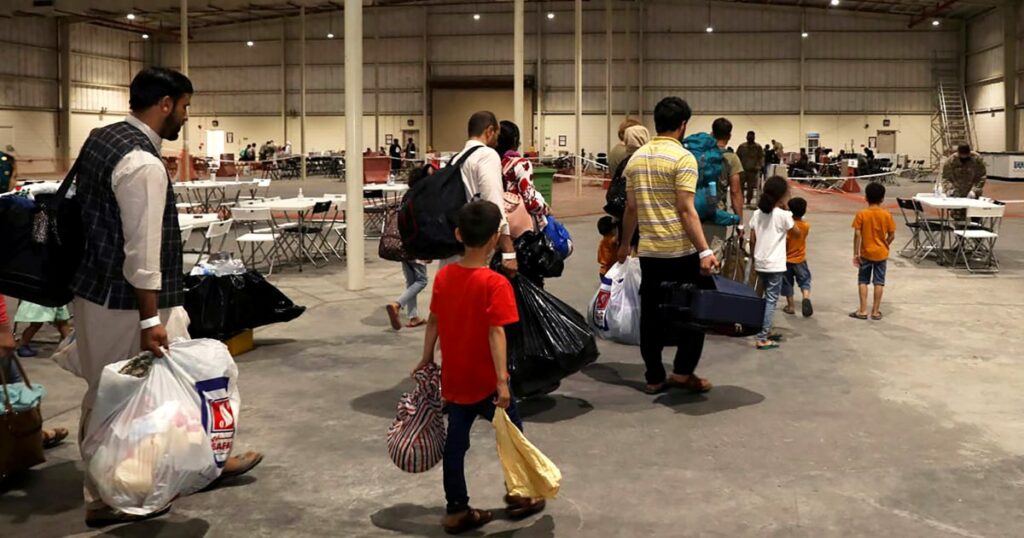
More than 1,100 Afghan refugees who supported the U.S. remain stranded at Camp As Sayliyah in Qatar, facing a March 31 deadline to relocate to an unspecified third country or return to Taliban-controlled Afghanistan, despite risks of persecution. Advocacy groups criticize the Trump administration’s handling of the situation, calling the camp a “prison camp” and expressing concerns about the refugees’ uncertain futures, while the State Department defends the closure as necessary and humane. Meanwhile, escalating tensions in the Middle East, particularly involving Iran’s unyielding stance and militia activities, complicate regional security and diplomatic efforts, highlighting the broader challenges affecting both refugees and U.S. foreign policy.
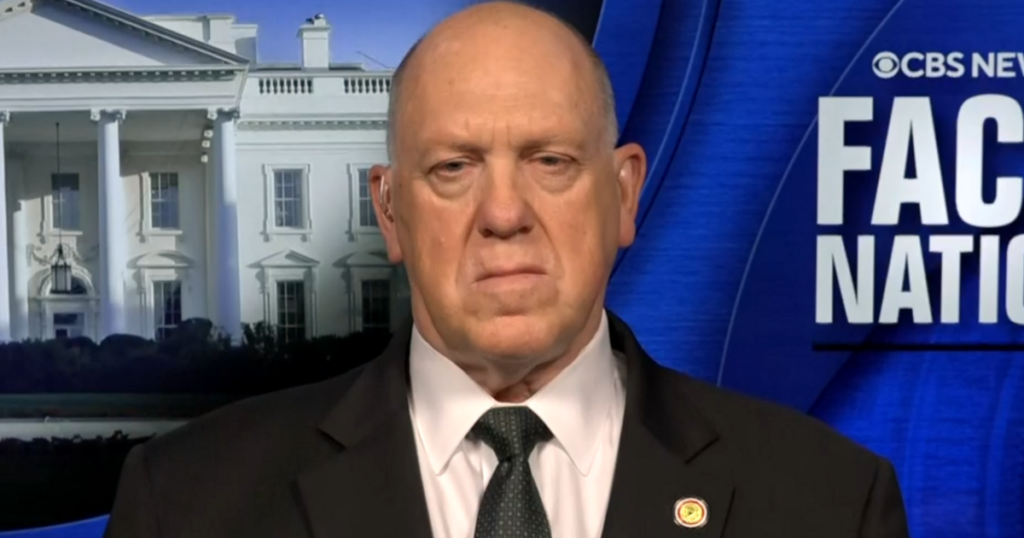
The partial government shutdown of the Department of Homeland Security (DHS) has lasted 44 days, primarily affecting TSA operations while other federal agencies remain funded. Efforts to resolve the impasse have stalled due to disagreements between the Republican-controlled House and the Senate, with Democrats demanding immigration-related restrictions before fully funding DHS. The shutdown has caused significant TSA staffing shortages and financial strain, prompting President Trump to order payments to TSA workers, but with Congress out until mid-April, the situation and airport disruptions are expected to continue.
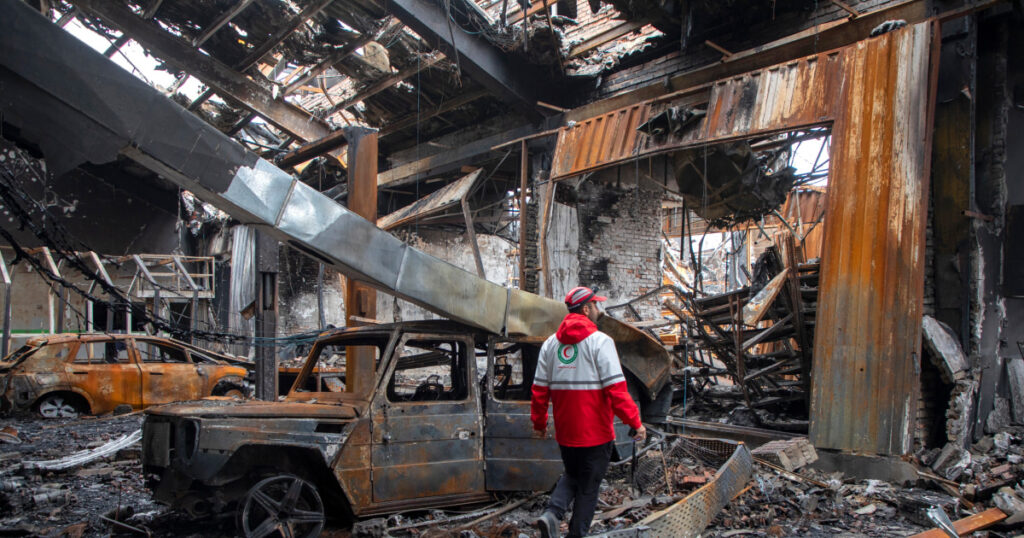
More than 3,500 U.S. troops, including approximately 2,500 Marines aboard the USS Tripoli, have been deployed to the Middle East amid escalating tensions with Iran following recent missile and drone attacks on Saudi Arabia that injured U.S. personnel. The conflict has disrupted global oil exports and shipping routes, with Iranian-backed Houthi rebels also entering the fray, raising concerns over maritime security. Despite rising hostilities and military preparations, diplomatic efforts continue, with the U.S. proposing a peace plan that Iran has rejected, while both sides maintain readiness for further confrontation.
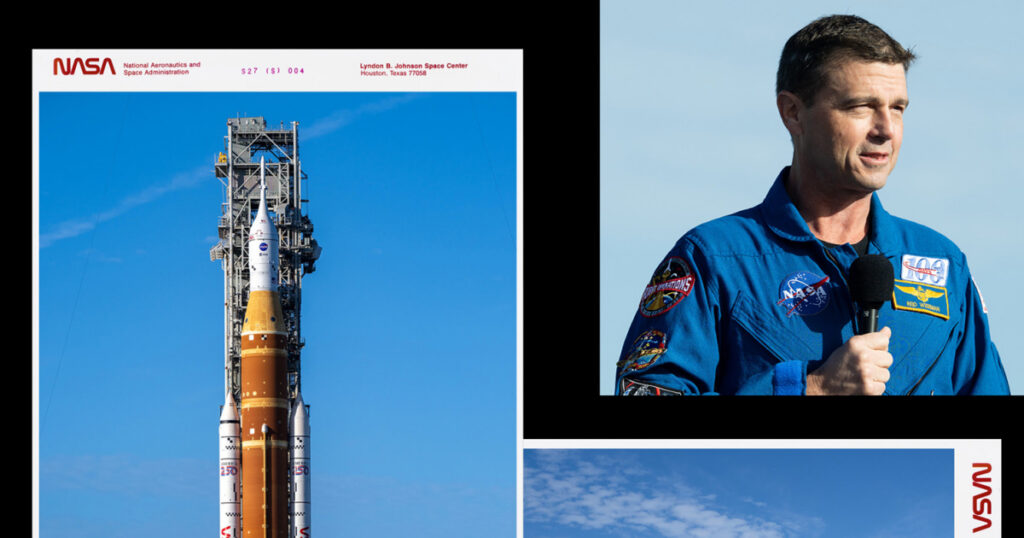
NASA’s Artemis II mission, launching on April 1 from Kennedy Space Center, will be the first crewed flight beyond Earth orbit in over 50 years, sending four astronauts on a nearly 700,000-mile journey around the moon and back. The mission will test critical life support systems aboard the Orion crew capsule and marks the second launch of the Space Launch System (SLS) rocket, overcoming recent technical delays. Artemis II is a key step toward NASA’s goal of establishing a sustained human presence on the moon and eventually sending astronauts to Mars, with the first crewed lunar landing under Artemis now planned for 2028.