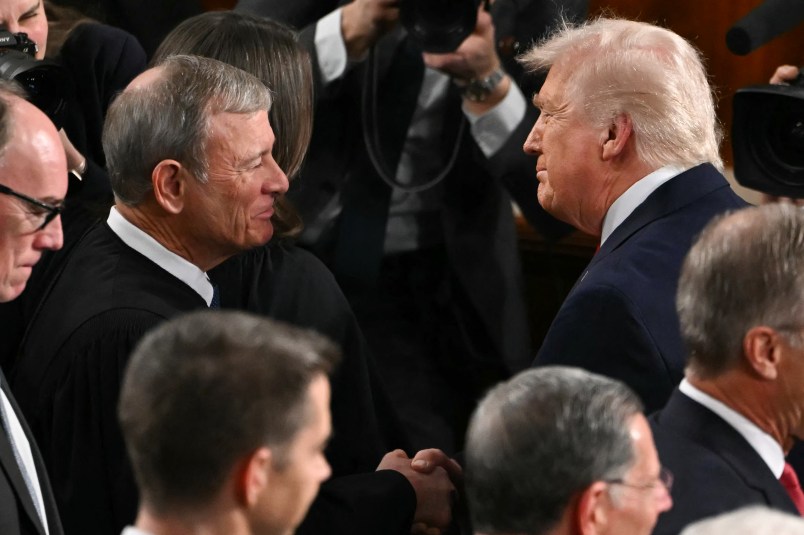
The Supreme Court will hear arguments on a Trump-era executive order aiming to restrict birthright citizenship by limiting it to children born to U.S. citizens or lawful permanent residents, challenging the traditional interpretation of the 14th Amendment’s Citizenship Clause. The administration argues that the clause’s phrase “subject to the jurisdiction thereof” excludes children of temporary visitors or undocumented immigrants, citing historical cases, while opponents maintain that longstanding legal precedent and the amendment’s language guarantee citizenship to nearly all born on U.S. soil. The Court’s decision could have significant implications for constitutional law and immigration policy, with former President Trump expected to attend the proceedings.
Posts published in “US”
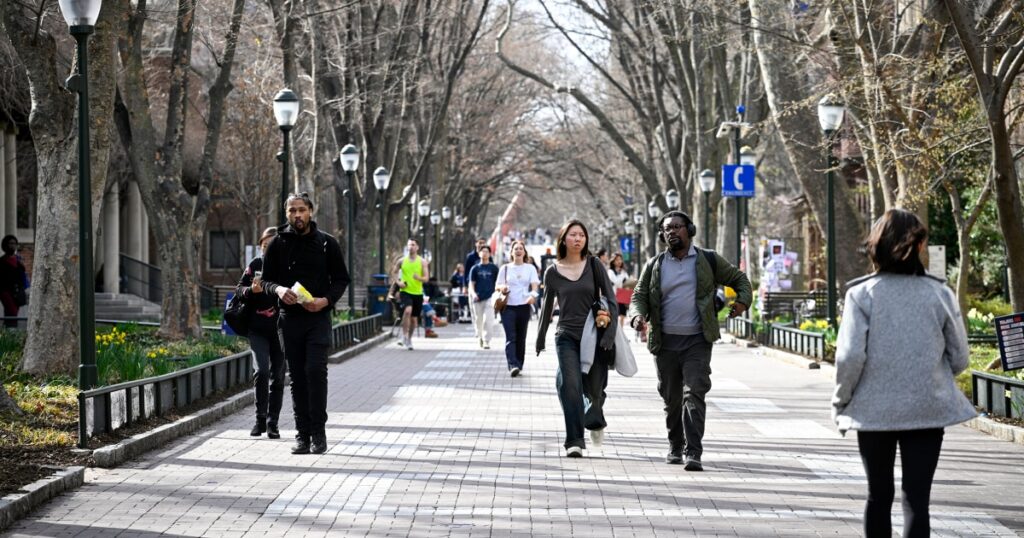
A federal judge has ordered the University of Pennsylvania to comply with an EEOC subpoena seeking information about Jewish employees as part of an investigation into alleged antisemitic discrimination on campus, while exempting certain Jewish-affiliated organizations from disclosure. The EEOC's probe follows multiple antisemitic incidents at the university and examines its response to related protests, with the judge acknowledging the subpoena's flaws but upholding its narrow purpose. The university plans to appeal the decision, citing concerns over employee privacy and constitutional rights amid ongoing efforts to address antisemitism.
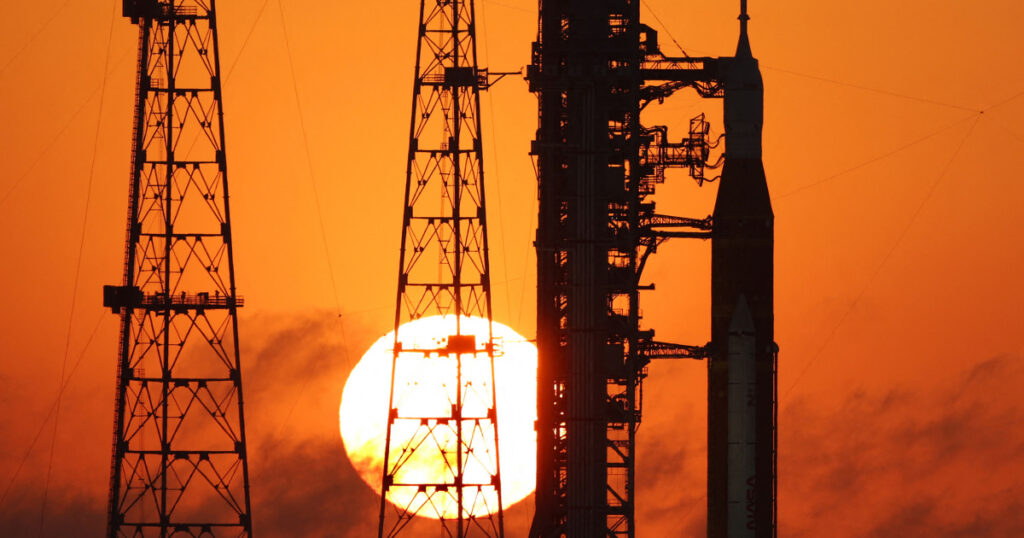
NASA is preparing to launch Artemis II, the first crewed lunar mission in over 50 years, sending four astronauts on a nine-day journey orbiting the moon as a critical step toward establishing a sustainable human presence on the lunar surface and future Mars missions. The crew, led by commander Reid Wiseman and including the first Canadian to travel beyond low-Earth orbit, will fly aboard the Space Launch System rocket and Orion spacecraft, both developed over nearly two decades at a combined cost exceeding $44 billion. Despite challenges such as high costs and technical issues, Artemis II aims to advance long-term lunar exploration, maintain U.S. leadership in space, and inspire a new era of human spaceflight.
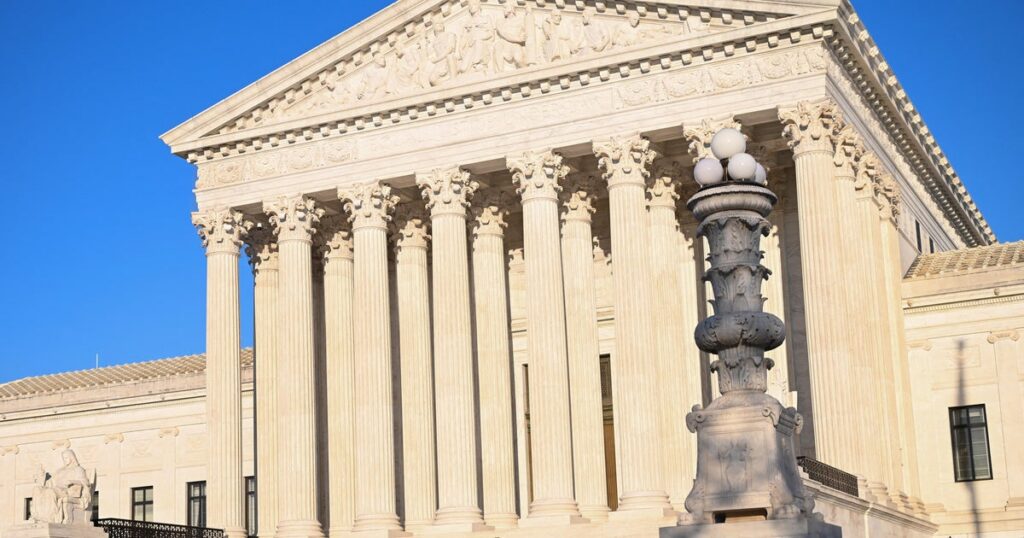
President Donald Trump is set to attend Supreme Court oral arguments on his executive order aimed at ending birthright citizenship for children born in the U.S. to undocumented or temporarily present immigrants, marking the first time a sitting president has personally attended such a session. The case challenges the longstanding interpretation of the Fourteenth Amendment’s Citizenship Clause, which has historically granted citizenship to nearly all individuals born on U.S. soil, regardless of their parents' status. With a conservative majority on the Court, including three Trump appointees, a ruling expected by July could significantly impact immigration law and constitutional citizenship rights.
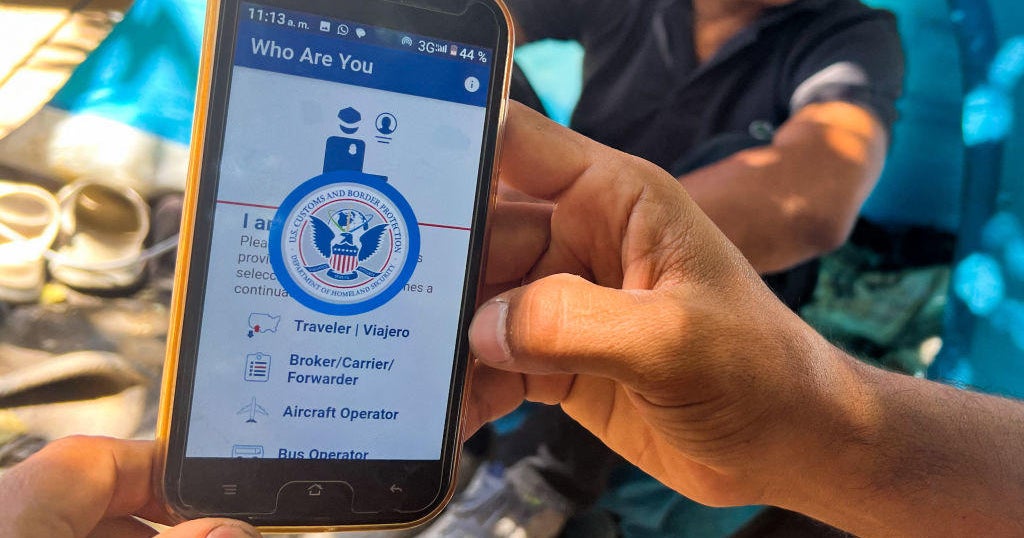
A federal judge in Massachusetts has ordered the Trump administration to reinstate the temporary parole status of hundreds of thousands of migrants who entered the U.S. lawfully through the Biden-era CBP One app, ruling that the administration’s termination of their status violated federal procedures and exceeded DHS authority. The Trump administration had revoked parole en masse in 2025 without personalized notice, citing border security concerns, but the judge found this action unlawful and sided with immigration advocacy groups representing affected migrants. While the Department of Homeland Security opposes the ruling and plans to appeal, the decision restores legal protections for many migrants, though the full impact remains uncertain.
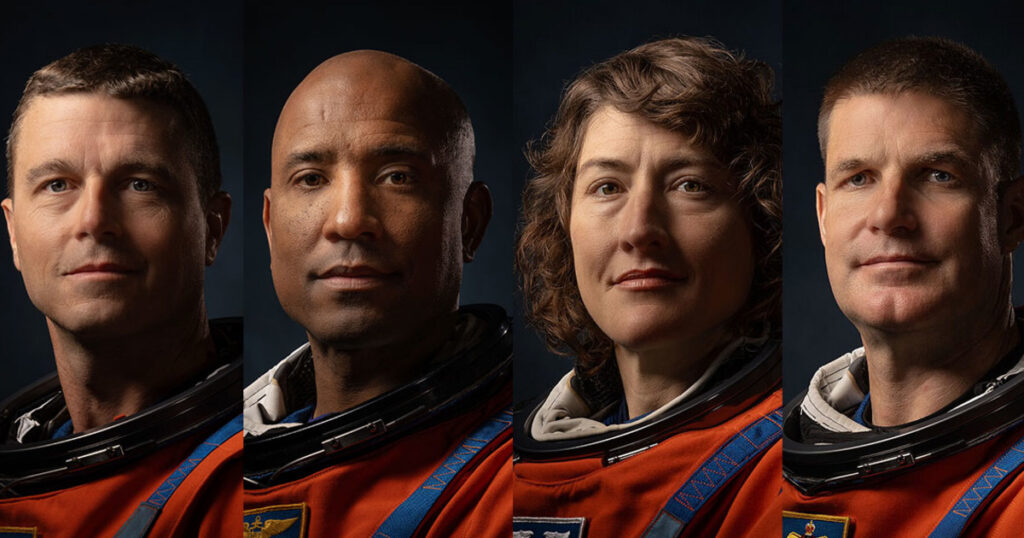
NASA’s Artemis II mission is set to launch Wednesday evening, marking the agency’s first crewed lunar flight in over 50 years with astronauts Reid Wiseman, Victor Glover, Christina Koch, and Canadian Jeremy Hansen embarking on a 10-day journey around the moon. Preparations have gone smoothly, including fueling the Space Launch System rocket and Orion capsule, with an 80% chance of favorable weather for liftoff from Kennedy Space Center. This historic mission, the first to carry humans on NASA’s new lunar spacecraft, is a crucial step toward a planned lunar landing in 2025 and features a diverse, experienced crew ready to reignite human exploration of the moon.

President Donald Trump signed an executive order to impose stricter mail-in voting rules, including requiring states to use federally approved voter lists and threatening to withhold federal funds from non-compliant states, citing unproven claims of widespread mail-in voting fraud. The order faces significant legal challenges, with experts deeming it likely unconstitutional and lawsuits already underway, while the Justice Department is also using voter data for immigration and criminal investigations. Additionally, a federal judge blocked Trump’s unauthorized White House construction project, and political tensions escalate ahead of the midterms amid concerns over federal interference in state election processes.
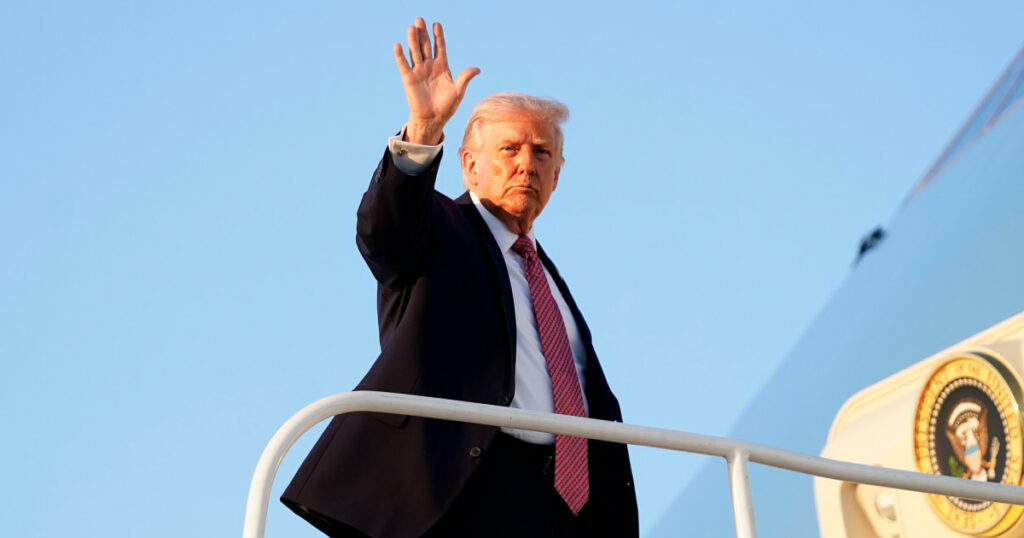
Amid ongoing tensions with Iran, President Trump has continued to play golf, describing it as a way to relax while asserting that the U.S. has significantly weakened Iran’s military and that the conflict is nearing resolution. Meanwhile, the partial shutdown of the Department of Homeland Security has caused operational disruptions and financial strain for TSA workers, with political divisions in Congress preventing a unified funding solution. Concurrently, the Department of Justice is intensifying election-related investigations, sparking debate over election integrity, while multiple legal and political controversies, including immigration enforcement and Supreme Court cases, contribute to a complex national environment.