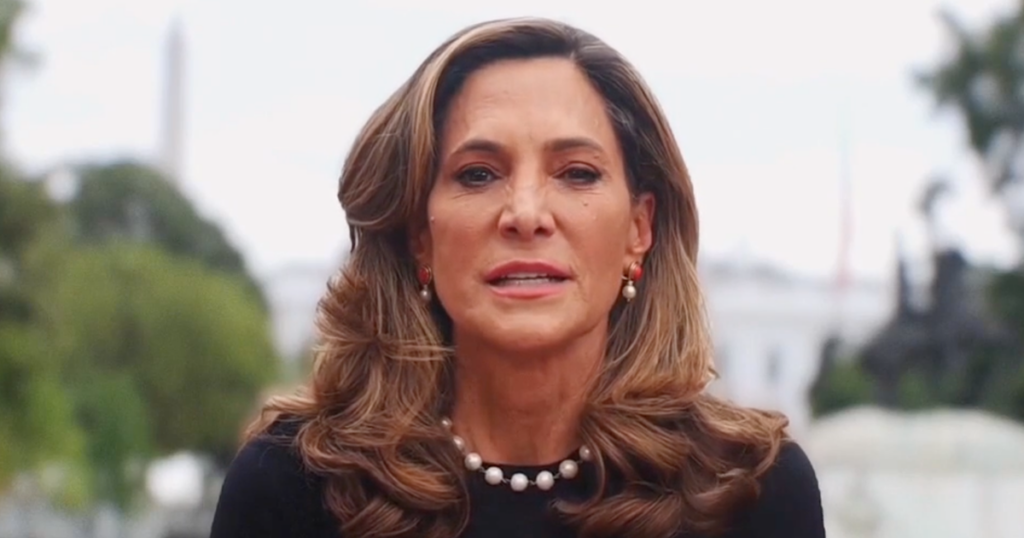
Florida Republican Rep. María Elvira Salazar says in a new campaign ad that Trump’s immigration enforcement has “gone too far” and that Hispanic voters who backed him “feel betrayed.” The ad comes as she faces Democrat Eliott Rodriguez in a competitive Miami-area district.
Posts published in “US”
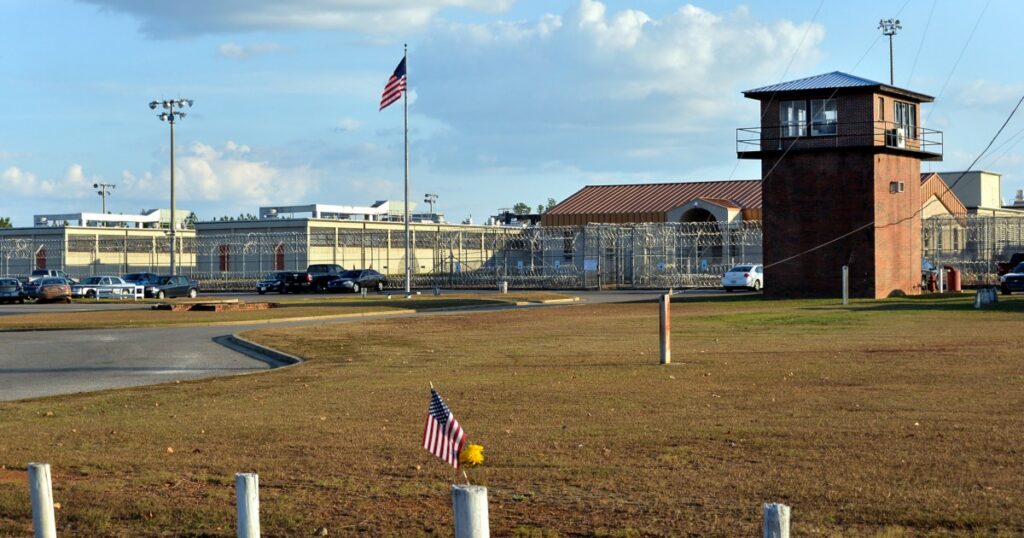
Alabama plans to execute Jeffery Lee by lethal injection after courts blocked its nitrogen gas protocol in his case. Lee was sentenced to death for killing Jimmy Ellis, an Elvis impersonator known as Orion, and Elaine Thompson during a 1998 pawnshop robbery.
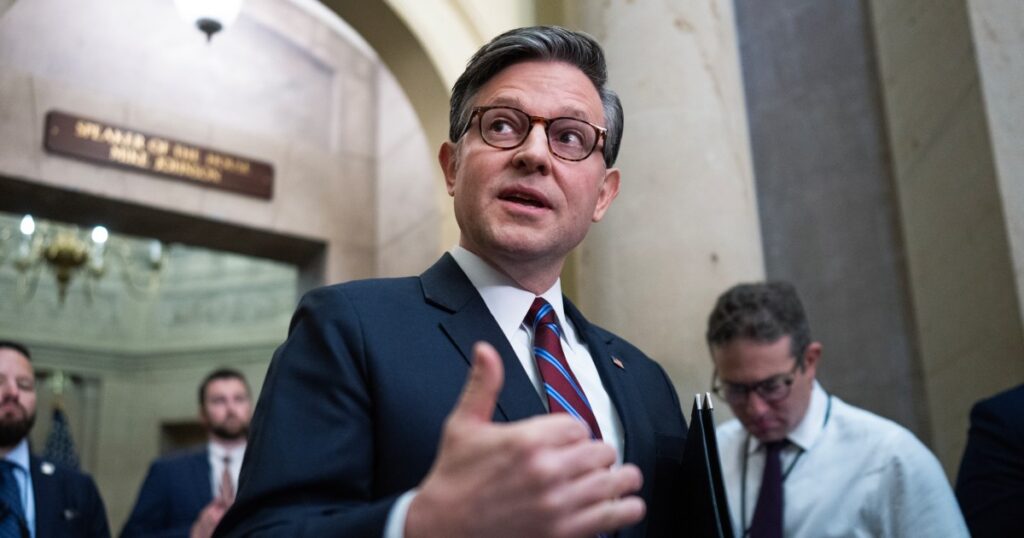
House Republican leaders canceled Thursday votes and sent members home until after the midterm elections, delaying action on Rep. Thomas Massie’s resolution to impeach Defense Secretary Pete Hegseth. GOP leaders denied the schedule change was tied to the impeachment effort, while Massie and several Democrats accused Speaker Mike Johnson of avoiding a politically risky vote.
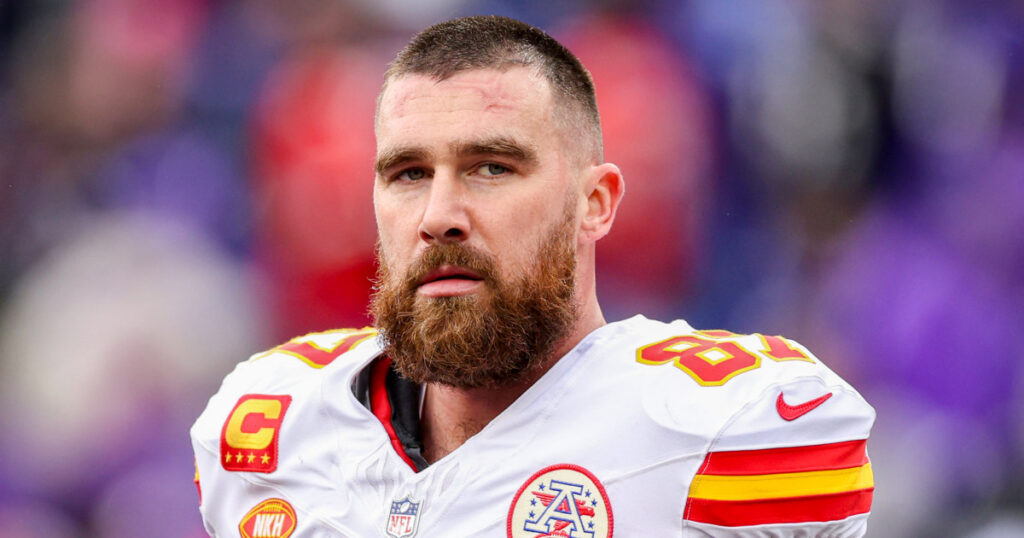
Siddharth Jawahar was sentenced to 11 years in prison and ordered to repay more than $31 million after admitting to wire fraud. Prosecutors identified Kansas City Chiefs tight end Travis Kelce as one of the victims but did not disclose details of his losses.

Photos obtained by CBS News show widespread damage at U.S. military sites in Saudi Arabia and Kuwait after Iranian strikes. A Pentagon watchdog report said Iranian attacks damaged or destroyed hundreds of structures across U.S. bases in the Middle East and caused equipment losses of up to $3.7 billion.
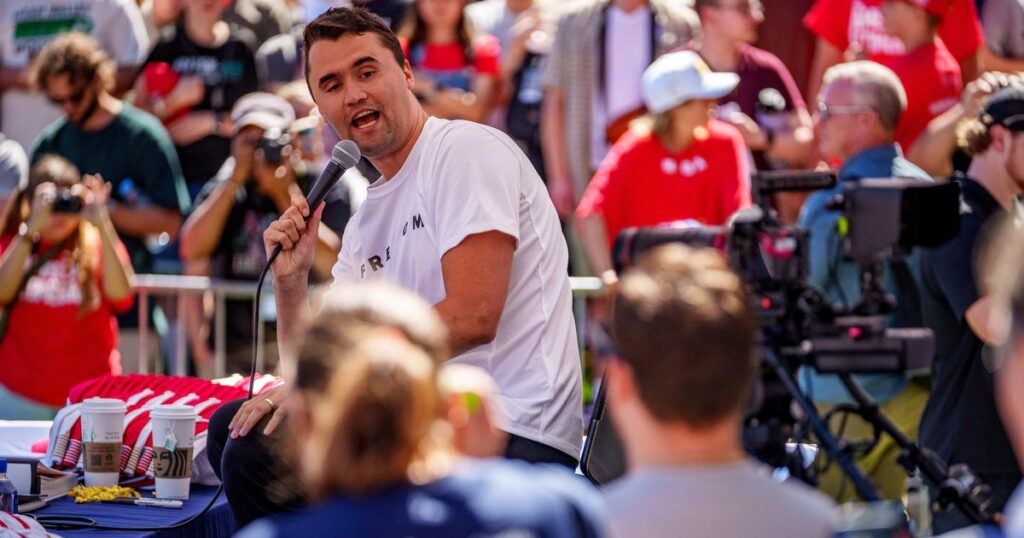
Charlie Kirk’s family has filed a wrongful death notice accusing Utah Valley University and state officials of security failures before his fatal shooting. The notice is a required step before a possible lawsuit under Utah law.
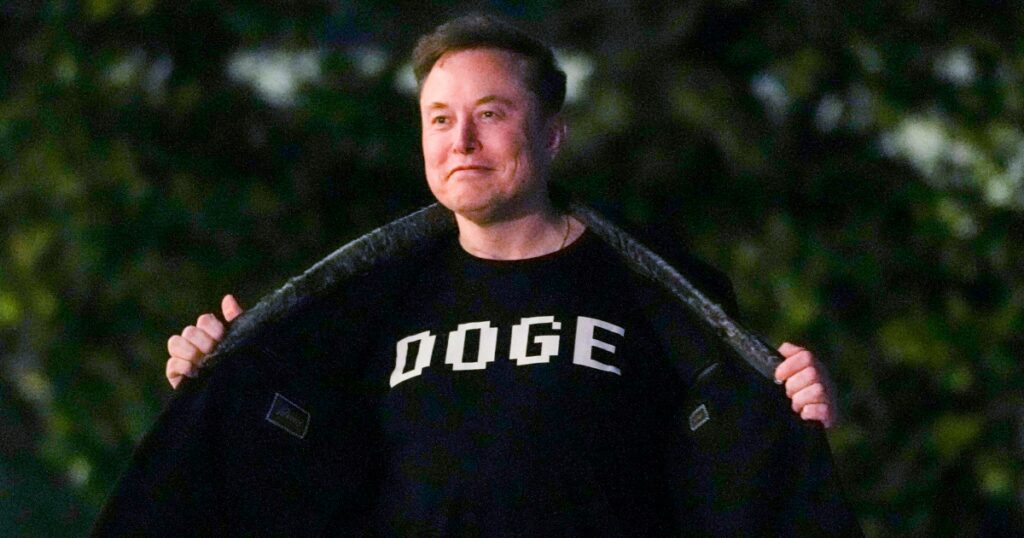
A GAO report estimates the Trump administration spent $9.5 billion on paid administrative leave in 2025, driven largely by a deferred resignation program tied to federal downsizing. OPM defended the cost as a one-time expense linked to projected annual savings.
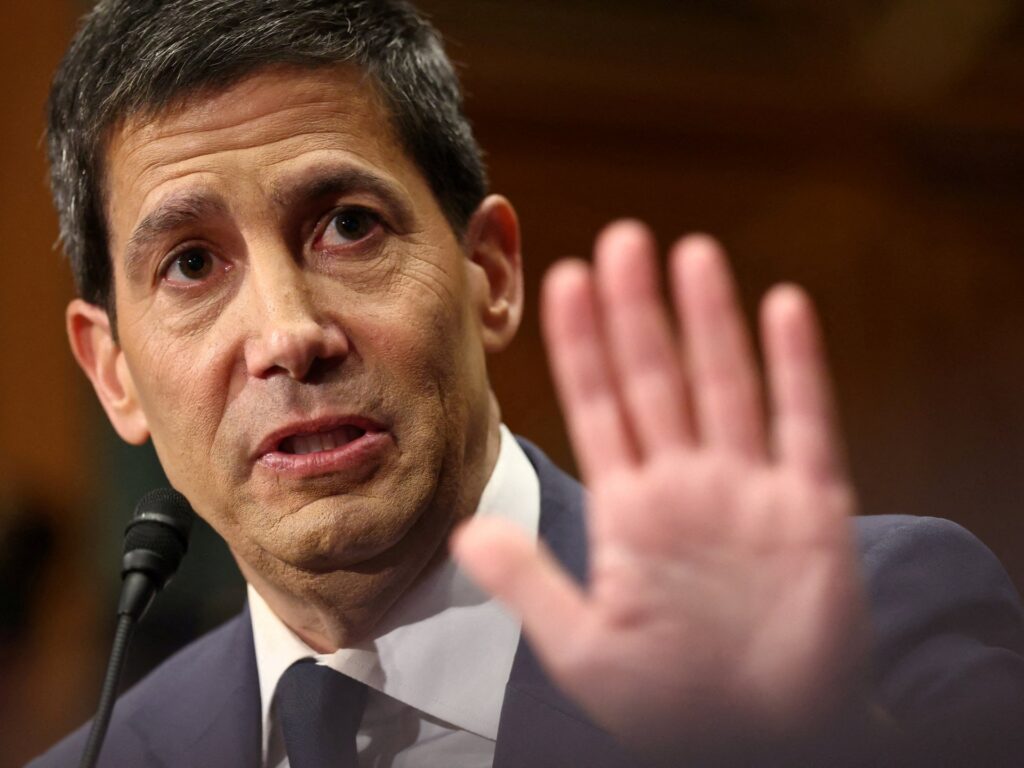
The Federal Reserve lifted its benchmark interest rate to 3.75% to 4.00%, its first hike since 2023, citing elevated inflation and geopolitical uncertainty. The move comes as fuel prices surge during the U.S.-Iran war and despite President Donald Trump’s demands for lower rates.