
Elon Musk, CEO of Tesla and SpaceX, met with Defense Secretary Pete Hegseth at the Pentagon to discuss innovation and production efficiencies, with Musk describing the meeting as positive. Despite reports suggesting Musk would be briefed on U.S. military plans regarding China, Hegseth refuted these claims, emphasizing the meeting's focus on technological advancements. Musk expressed his willingness to support the Department of Defense, highlighting the collaboration between the U.S. military and private sector leaders to enhance national defense capabilities.
Posts published in “Tech”
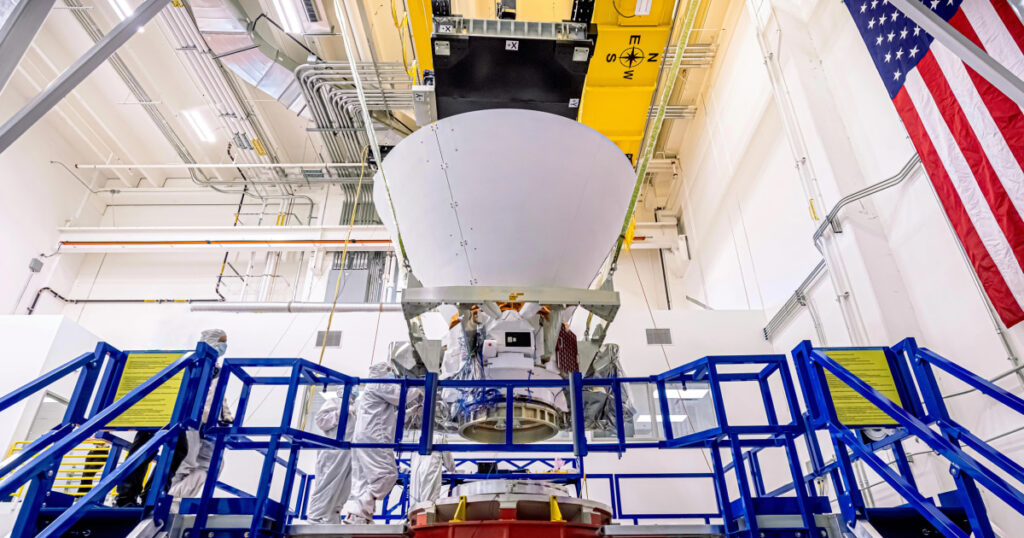
NASA has successfully launched the SPHEREx mission, a $488 million initiative designed to map the entire celestial sky and study hundreds of millions of galaxies to gain insights into the universe's formation and evolution. The launch, executed from Vandenberg Space Force Base using a SpaceX Falcon 9 rocket, faced delays due to assessments of the rocket and unfavorable weather conditions. SPHEREx will not only explore the rapid expansion of the universe and cosmic evolution but also investigate the Milky Way for water and life-sustaining elements in the icy clouds between stars, enhancing our understanding of conditions necessary for life and new planetary system formation.

A coalition of labor unions has filed an emergency motion in federal court to prevent the Department of Government Efficiency (DOGE), led by Elon Musk, from accessing sensitive Social Security data, citing privacy concerns. The unions argue that DOGE's access could compromise existing privacy systems and emphasize the importance of safeguarding this data to protect millions of Americans. This legal challenge highlights broader concerns about data privacy and the ongoing debate over balancing governmental efficiency with individual privacy rights.
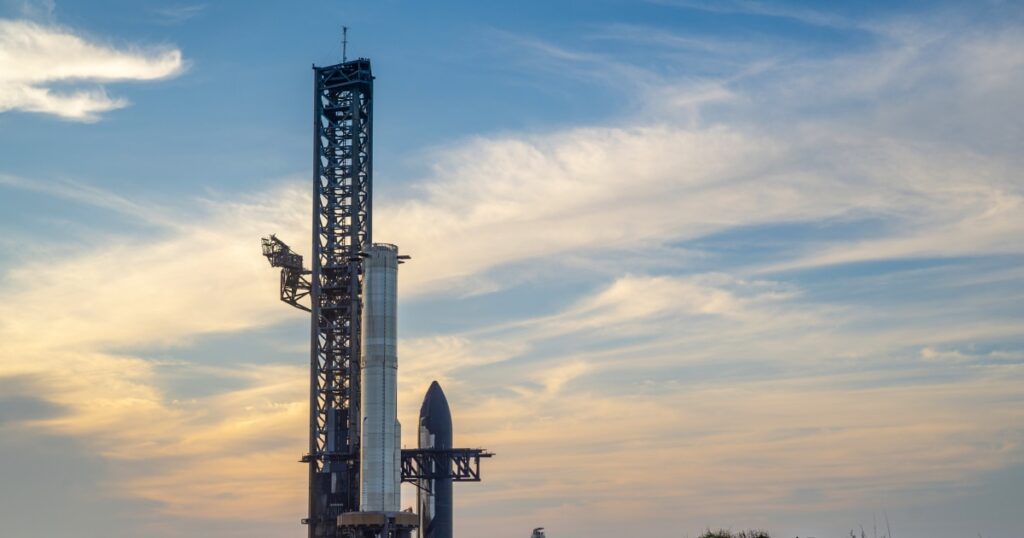
SpaceX's eighth test flight of its Starship rocket, launched from the Starbase site in Texas, ended in failure as multiple upper-stage engines shut down unexpectedly, causing the rocket to break apart mid-air. This incident marks the second consecutive failure of the Starship's upper stage, a crucial component for NASA's lunar missions, echoing a similar issue from a January test flight. Despite the setback, SpaceX remains optimistic and committed to refining the Starship's design, with plans to return to the launch pad soon to continue their ambitious space exploration goals.
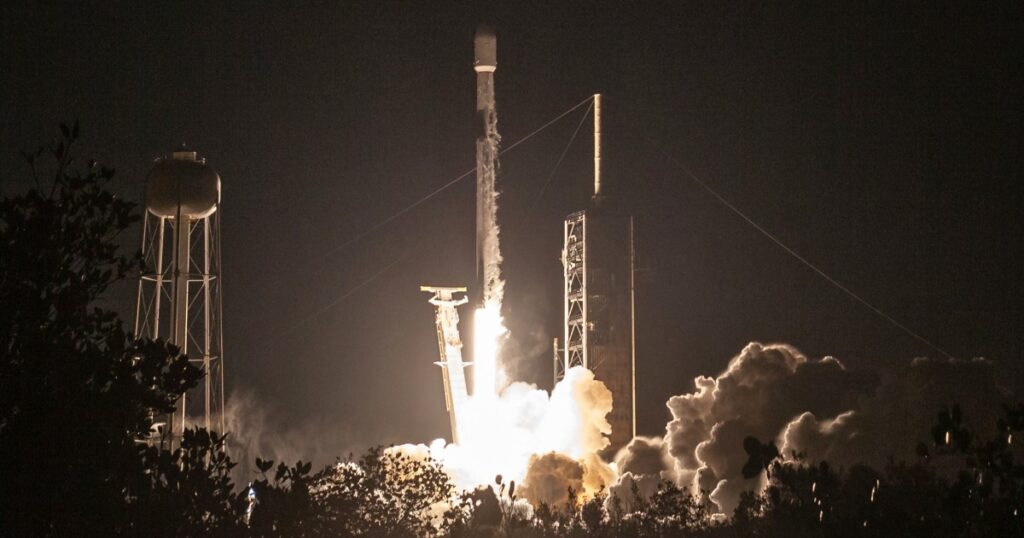
Intuitive Machines' Athena lunar lander is set to land near the moon's south pole, marking the second U.S. privately built spacecraft to attempt a lunar landing within a week. Equipped with advanced instruments, the Athena lander will explore the lunar environment, deploy a small rover, and test experimental communications equipment, contributing to NASA's Artemis program objectives. If successful, Athena's landing will highlight the rapid advancements in commercial space exploration, following a recent successful landing by Firefly Aerospace's robotic lander.

Former President Donald Trump has announced plans to create a "crypto strategic reserve," aligning it with existing U.S. reserves of gold and oil, and is supported by a new digital assets working group. Critics have expressed concerns over the inclusion of high-risk crypto tokens in the reserve, which could lead to conflicts of interest and highlight challenges in integrating cryptocurrencies into national economic strategies. The initiative raises broader issues of governance and regulatory oversight, with past actions by administration officials potentially blurring ethical lines and influencing decision-making processes related to digital assets.

A recent study from the University of North Carolina Charlotte, highlighted in the Harvard Business Review, reveals that "meeting hangovers" significantly affect employee productivity, with over 90% of employees experiencing lingering negative effects from meetings. The research emphasizes the need for organizations to improve meeting quality and structure to mitigate these detrimental impacts on morale and efficiency. By adopting strategies like clear agendas and active participation, companies can enhance meeting effectiveness, benefiting both individual employees and overall organizational success.
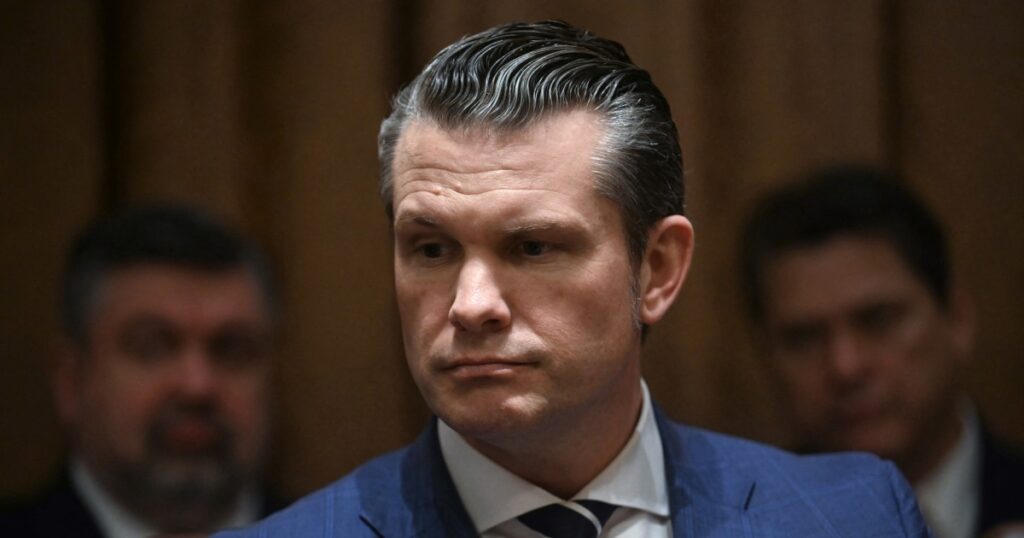
U.S. Cyber Command has been ordered to stop its offensive cyber and information operations against Russia, following a directive from Defense Secretary Pete Hegseth to Air Force General Tim Haugh. Meanwhile, Taiwan Semiconductor Manufacturing Company (TSMC) plans to invest $100 billion in new manufacturing plants in the United States, supported by $6.6 billion from the CHIPS and SCIENCE Act of 2022. These developments reflect the U.S. government's dual focus on enhancing national security through cybersecurity measures and strengthening economic resilience by expanding domestic semiconductor manufacturing.