
The U.S. Department of Justice seized four internet domains linked to Iranian government-backed hacking groups involved in cyberattacks, data theft, and intimidation of dissidents, including threats against individuals in the U.S. These groups, such as Handala and Homeland Justice, have targeted entities like a U.S. medical technology company and foreign governments, using custom malware and psychological warfare tactics. The seizures come amid heightened regional tensions following recent U.S. and Israeli military actions against Iran, with U.S. officials vowing to continue countering Iranian cyber threats to national security.
Posts published in “Tech”

Cybersecurity firm Nisos uncovered a sophisticated North Korean scheme involving at least 20 operatives using stolen American identities to secure remote jobs at U.S. companies, funneling money back to North Korea and potentially stealing sensitive information. The investigation revealed the operatives applied to over 160,000 U.S. job roles and communicated frequently in English, with the FBI and law enforcement labeling the scheme a significant national security threat. These activities help North Korea evade sanctions and fund illicit programs, while U.S. authorities continue to address related security and political challenges domestically and internationally.

NASA is preparing for the Artemis II mission, the first crewed flight of the Space Launch System (SLS) rocket and Orion spacecraft, with a planned launch around the moon on April 1, marking humanity's return to lunar orbit after over 50 years. The nine-day mission will carry astronauts Reid Wiseman, Christina Koch, Victor Glover, and Canadian Jeremy Hansen on a free return trajectory around the moon, aiming to test critical systems despite previous technical delays involving helium flow and hydrogen leaks. Artemis II is a key milestone in NASA’s broader Artemis program, which seeks to establish a sustainable human presence on the moon and pave the way for future lunar landings and Mars exploration.
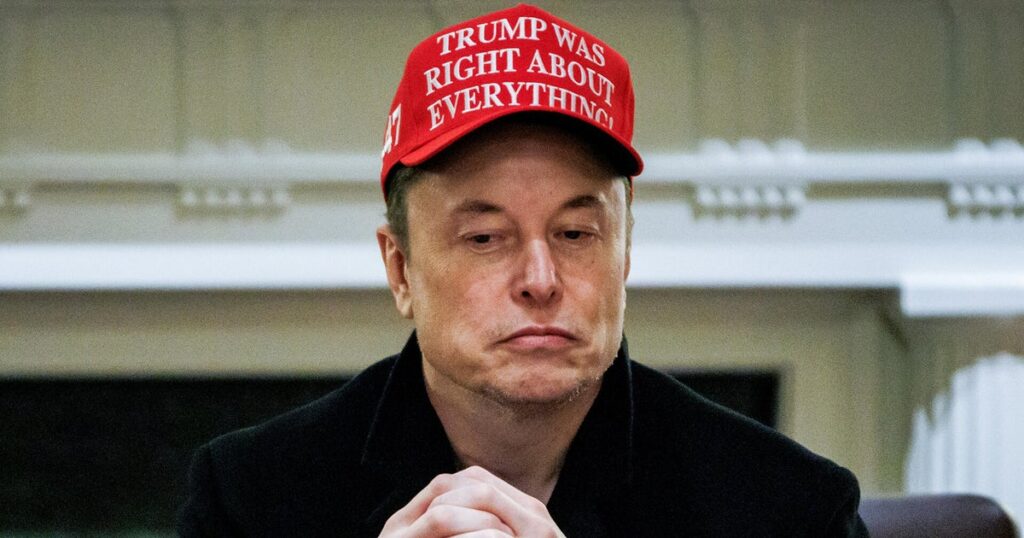
Tesla has refuted claims from a Wall Street Journal report suggesting that its board of directors was searching for a new CEO to replace Elon Musk. Tesla Chair Robyn Denholm publicly declared the report "absolutely false," emphasizing that no recruitment firms had been engaged for a CEO search. Despite the initial report, Tesla's shares remained stable, indicating that investors were not significantly impacted by the leadership rumors or the company's subsequent denial.
A federal judge in California has ruled that Apple violated a court order intended to increase competition within its App Store by not complying with an injunction from a previous antitrust lawsuit filed by Epic Games. The injunction required Apple to allow developers to include links to alternative payment methods, but Apple's failure to do so has resulted in a contempt of court finding, with the matter referred to federal prosecutors. This decision highlights ongoing scrutiny of Apple's business practices and underscores the judiciary's role in addressing antitrust issues in the technology sector, particularly regarding market competition and consumer choice.
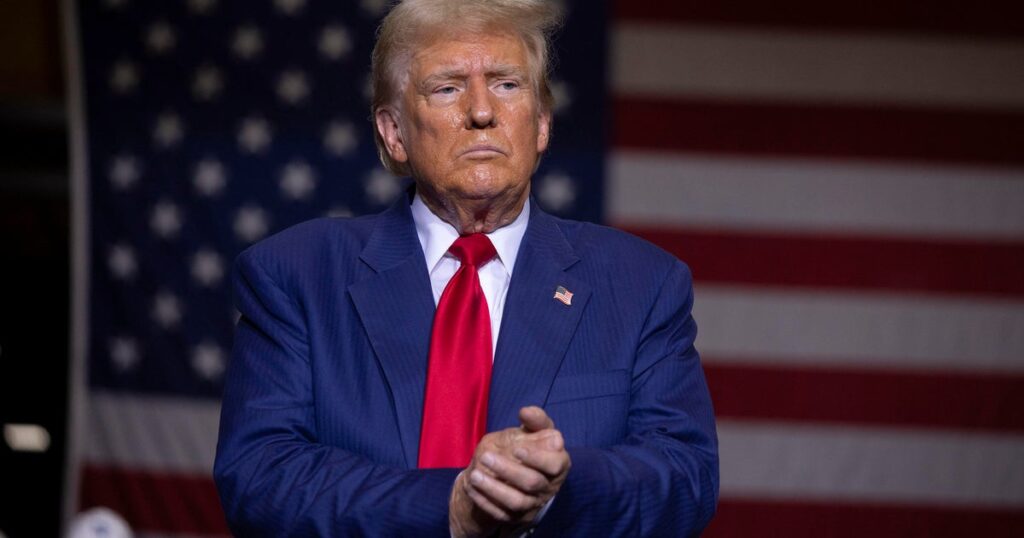
Meta is facing a legal dispute with conservative influencer Robby Starbuck, who claims the company's AI chatbot produced false and defamatory content linking him to the January 6 Capitol riot and QAnon conspiracy theory, prompting an apology from Meta's chief global affairs officer. Concurrently, President Donald Trump is promoting the positive effects of increased U.S. tariffs, asserting they have spurred significant corporate investment in the country, with a new White House website tracking 47 projects by 50 companies as evidence of trillions in new investments. These developments occur amid scrutiny of U.S. tariffs' economic implications, as Meta's AI content management and the administration's "America First" economic policies remain under close observation.
The White House criticized Amazon's reported plan to display tariff charges on imported goods on its discount platform, Amazon Haul, calling it a "hostile and political act." Amazon clarified that while the idea was discussed, it has not been implemented, and there are no immediate plans to do so. Despite the potential transparency benefits for consumers, the proposal drew significant attention, prompting a conversation between President Donald Trump and Amazon founder Jeff Bezos, although no official changes have been made to the platform.
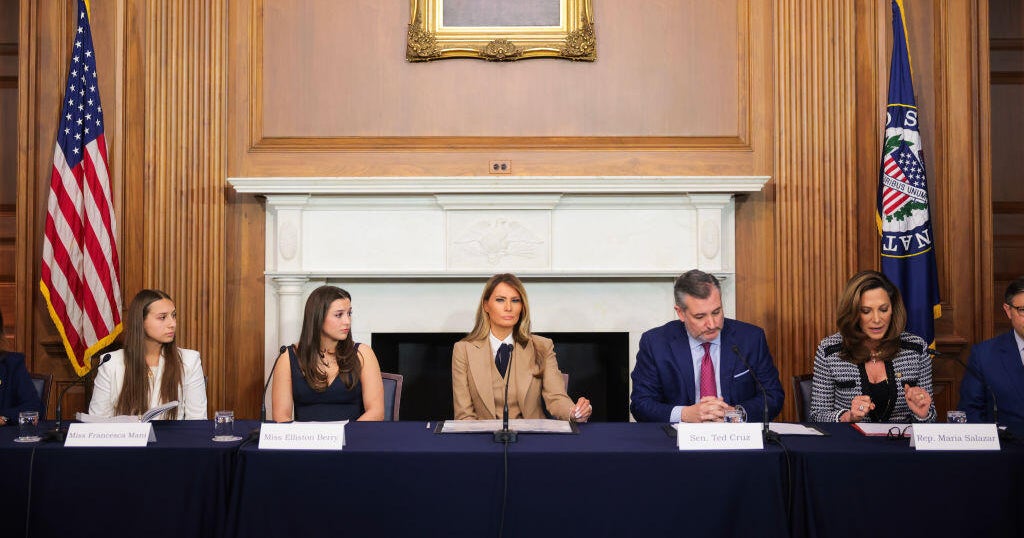
The United States House of Representatives has passed the bipartisan "Take It Down Act," which criminalizes the nonconsensual distribution of both real and AI-generated sexually explicit imagery online. The legislation requires social media companies and online platforms to remove such content within 48 hours of a victim's request, addressing the growing misuse of AI technologies to create explicit content without consent. With overwhelming support in both the House and Senate, the bill now awaits President Donald Trump's signature, marking a significant legislative effort to protect individuals from the harmful effects of revenge porn and AI-generated explicit content.