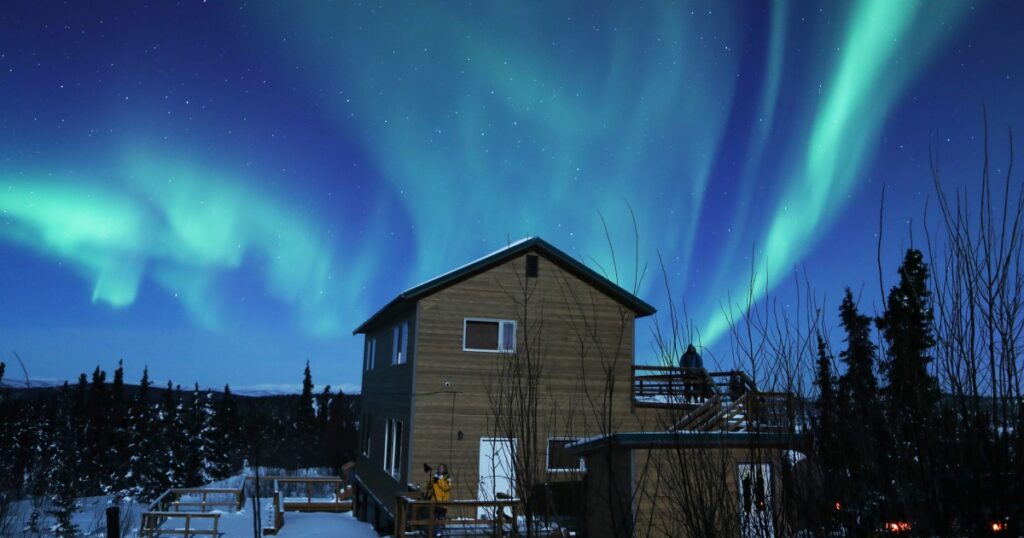
A rare solar storm is bringing the northern lights to 17 states in the United States, including Alaska, Washington, Oregon, Idaho, Montana, Wyoming, North Dakota, South Dakota, Minnesota, Wisconsin, Michigan, Indiana, New York, Vermont, New Hampshire, Maine and Maryland. The best time to view the northern lights is at night, between 10 p.m. and 2 a.m. local time, and away from the lights of a city. Cities such as Helena, Montana; Montpelier, Vermont; Minneapolis and Milwaukee are expected to have “highly active auroral displays” visible overhead.
Posts published in “Science”
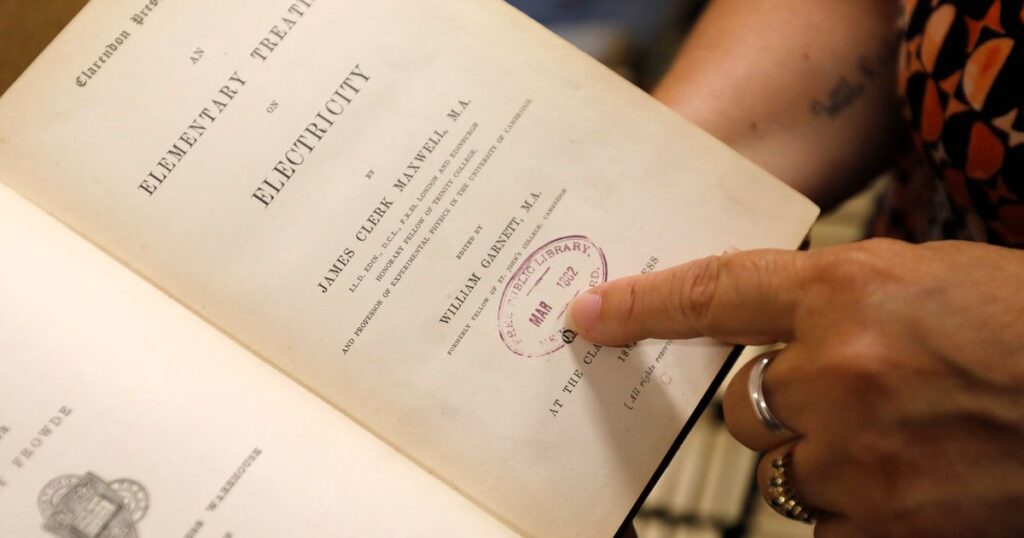
After 119 years, a long-lost book has finally been returned to its rightful home at the New Bedford Free Public Library. Discovered by the curator of rare books at West Virginia University Libraries, the book had not been stamped "Withdrawn", indicating it had not been discarded. Now available for public viewing in the library's special collections, the book serves as a reminder of the power of libraries to preserve our shared cultural heritage and the importance of returning overdue books.
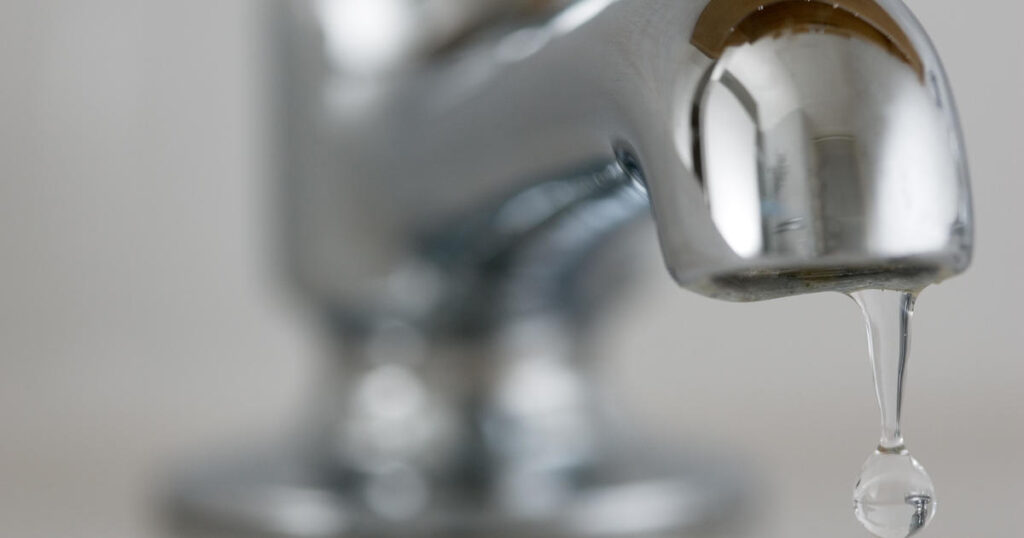
A new government study has revealed that nearly half of the United States' tap water contains one or more "forever chemicals" known as PFAS, which have been linked to a range of health problems. The study is the first nationwide effort to test for PFAS in tap water from private sources, and is a reminder of the importance of being aware of the water sources in your area. The EPA has established a health advisory level for two types of PFAS, but individuals should take steps to protect their health, such as using a water filter or drinking bottled water.
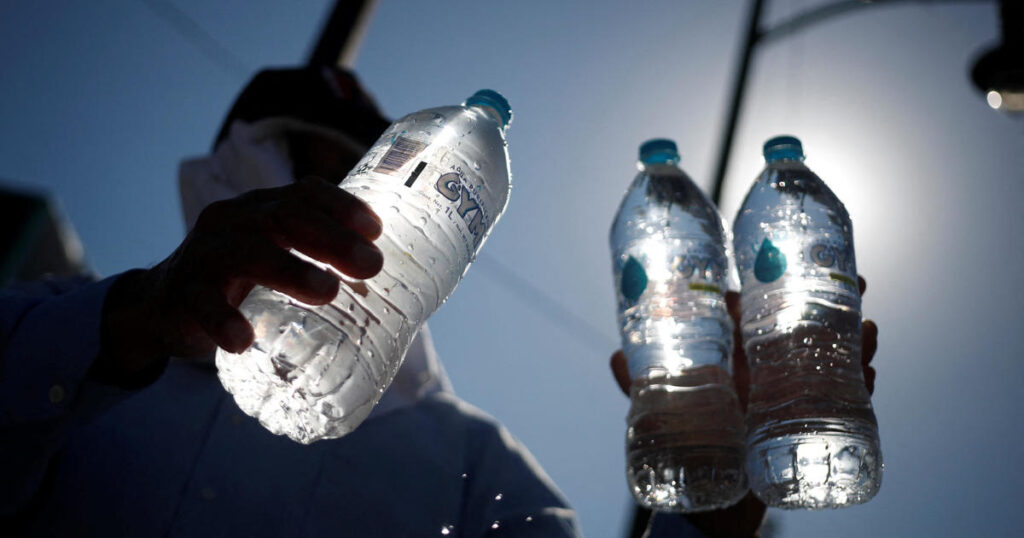
Key takeaways: The World Meteorological Organization (WMO) has reported that global temperatures are set to reach record highs over the next five years. The WMO…
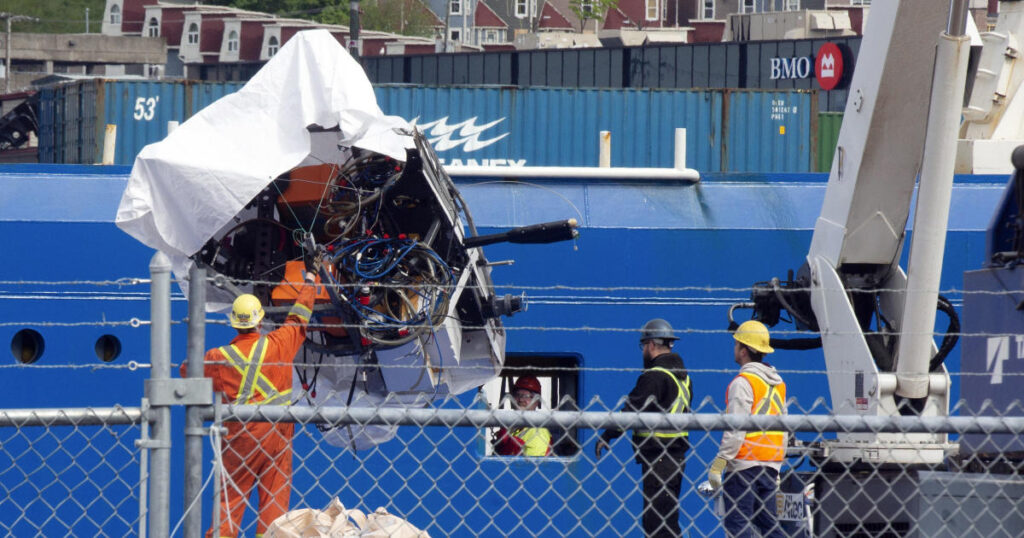
On June 28th, 2023, the Canadian Coast Guard welcomed the Horizon Arctic, a ship carrying a remotely operated vehicle (ROV) that had been searching for the Titan submersible near the wreck of the Titanic. The ROV had discovered debris from the sub about 1,600 feet from the bow of the Titanic at the bottom of the Atlantic, consistent with a catastrophic implosion of the vessel. The Canadian Coast Guard is continuing to investigate the cause of the implosion and the fate of the five people on board the Titan submersible.
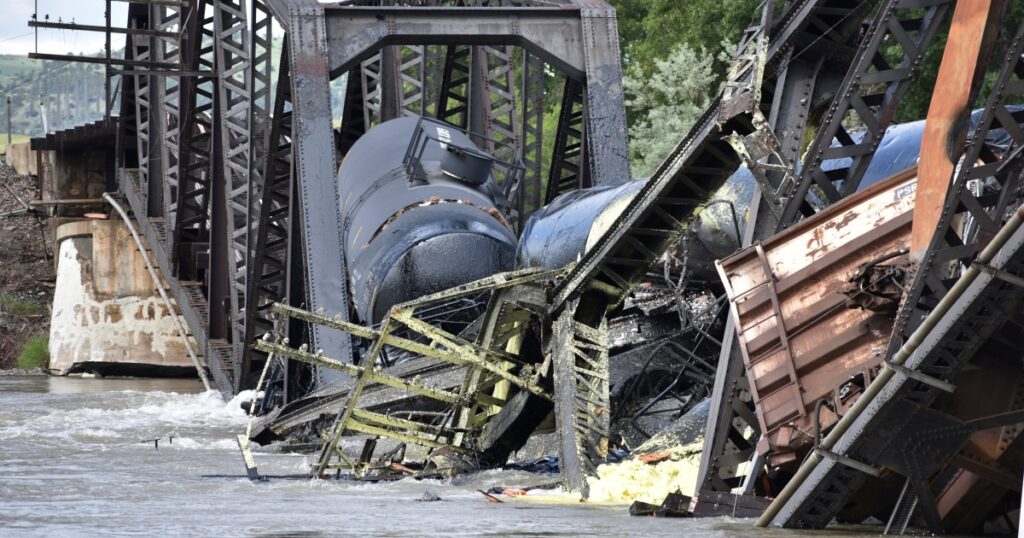
On Saturday morning, a bridge collapse in Montana caused freight train cars to crash into the Yellowstone River, raising concerns about contamination. Montana Rail Link has since released a statement saying that two cars known to be carrying hazardous materials had not entered the river, and that there was "no expected hazmat impact" to towns in the county. Andy Garland, spokesperson for Montana Rail Link, said that the substances in the railcars solidify when exposed to air and water, so there is no risk of contamination.
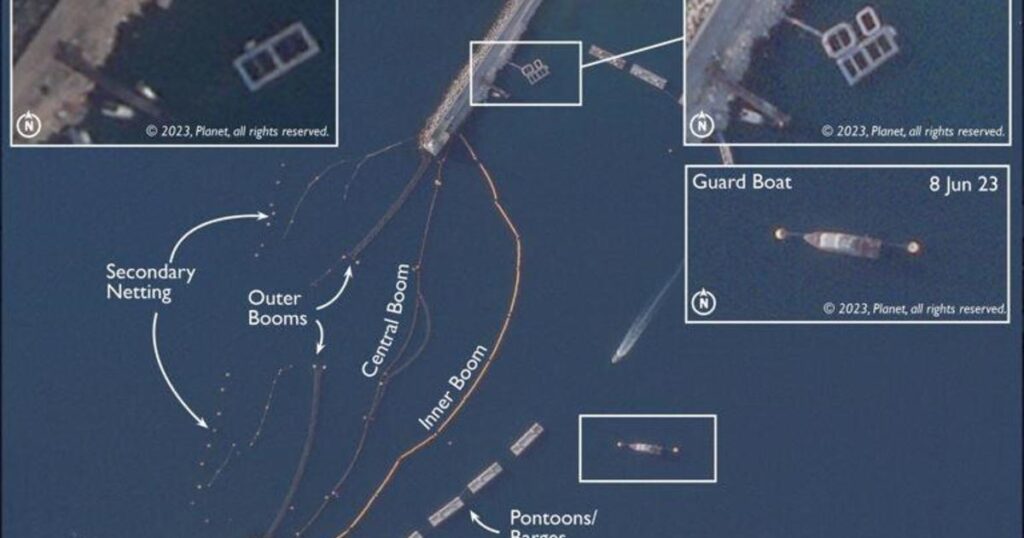
The British military has reported that Russia is training combat dolphins in the annexed Crimean peninsula to counter Ukrainian forces, investing heavily in security at the Black Sea Fleet's main base at Sevastopol. Imagery shows a near doubling of floating mammal pens in the harbor which likely contain bottle-nosed dolphins, and the animals are "highly likely intended to counter enemy divers." It is unclear how effective the dolphins will be, but it is clear that Russia is investing heavily in its defences.
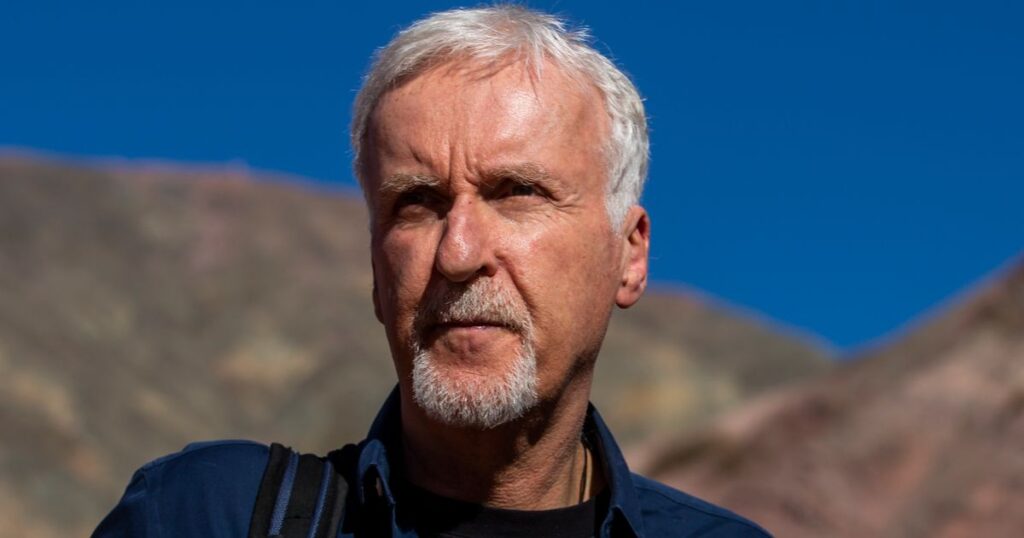
The search for the missing Titan submersible, a five-person submersible used by OceanGate to view the wreckage of the Titanic, ended on Thursday with the Coast Guard announcing that debris from the vessel had been found, leading to the belief that the pilot and passengers are now dead. The investigation into the cause of the tragedy is ongoing, with a focus on safety protocols and procedures, and is a reminder of the dangers of deep-sea exploration.