Former President Donald Trump has announced plans to create a "crypto strategic reserve," aligning it with existing U.S. reserves of gold and oil, and is supported by a new digital assets working group. Critics have expressed concerns over the inclusion of high-risk crypto tokens in the reserve, which could lead to conflicts of interest and highlight challenges in integrating cryptocurrencies into national economic strategies. The initiative raises broader issues of governance and regulatory oversight, with past actions by administration officials potentially blurring ethical lines and influencing decision-making processes related to digital assets.
Posts published in “Politics”

Senator Elizabeth Warren has expressed concerns about Lee Dudek's appointment as acting commissioner of the Social Security Administration, questioning his past actions and statements, including a LinkedIn post where he boasted about pressuring agency executives to support cost-cutting initiatives linked to Elon Musk. Warren's letter highlights Dudek's controversial practices, such as sharing executive contact information and reallocating funds, prompting her to seek clarity on his suitability for the role. The situation is part of a broader inquiry into Dudek's conduct and reflects ongoing challenges within government agencies to maintain accountability and transparency amid external pressures.
Senator Elizabeth Warren has expressed concerns about Lee Dudek's appointment as acting commissioner of the Social Security Administration, questioning his past actions and connections, particularly a LinkedIn post where he mentioned pressuring agency executives to support a cost-cutting initiative led by Elon Musk. Warren's inquiry highlights broader worries about the influence of private sector figures on public administration and whether Dudek's methods meet ethical standards. The situation is further complicated by a controversial email, known as the Elon/DOGE threat email, which pressured agencies to respond quickly, although most have now aligned their responses, except for the Commerce Department, which faced delays despite Secretary Lutnick's connections to former President Trump.
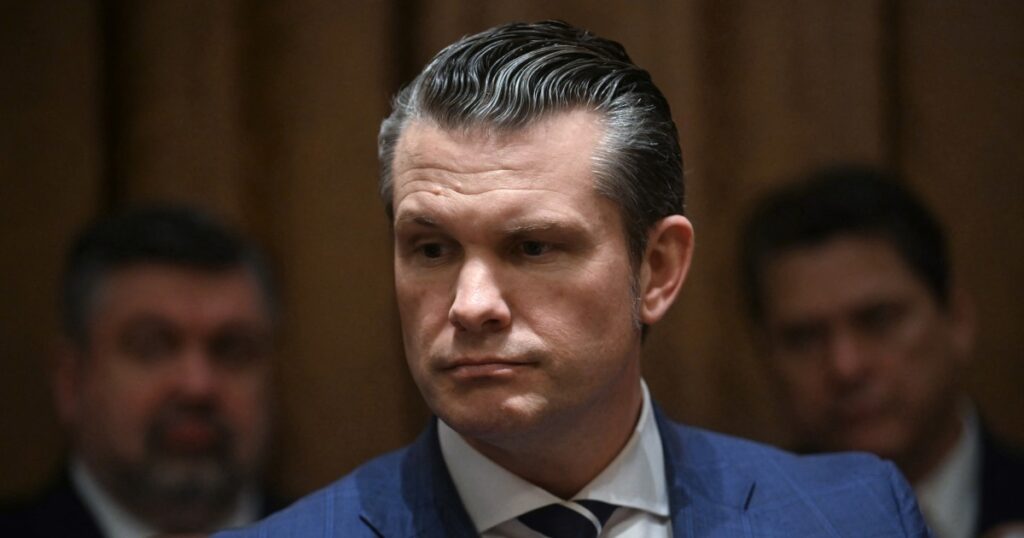
A senior USAID official, Nicholas Enrich, has been placed on administrative leave after releasing a memo criticizing the Trump administration's handling of foreign aid, which contradicts Secretary of State Marco Rubio's claims that aid was unaffected by a freeze. Concurrently, U.S. Defense Secretary Pete Hegseth has ordered a halt to U.S. Cyber Command's offensive operations against Russia, prioritizing the safety of military personnel. These developments have sparked discussions on the implications of U.S. foreign aid policies and their impact on global health, as well as the balance between national security and humanitarian responsibilities.
Nicholas Enrich, the acting assistant administrator for Global Health at USAID, has been placed on administrative leave following the release of memos he authored criticizing the current administration's handling of foreign aid. The memos, which have been partially published by major news outlets, express concerns about the impact of recent policy decisions on humanitarian assistance and criticize Secretary of State Marco Rubio's temporary waiver and pause on foreign aid. Enrich warns that these actions could lead to severe global health repercussions, including preventable deaths and increased threats to national security, sparking significant attention and debate about the political influence on global health initiatives.
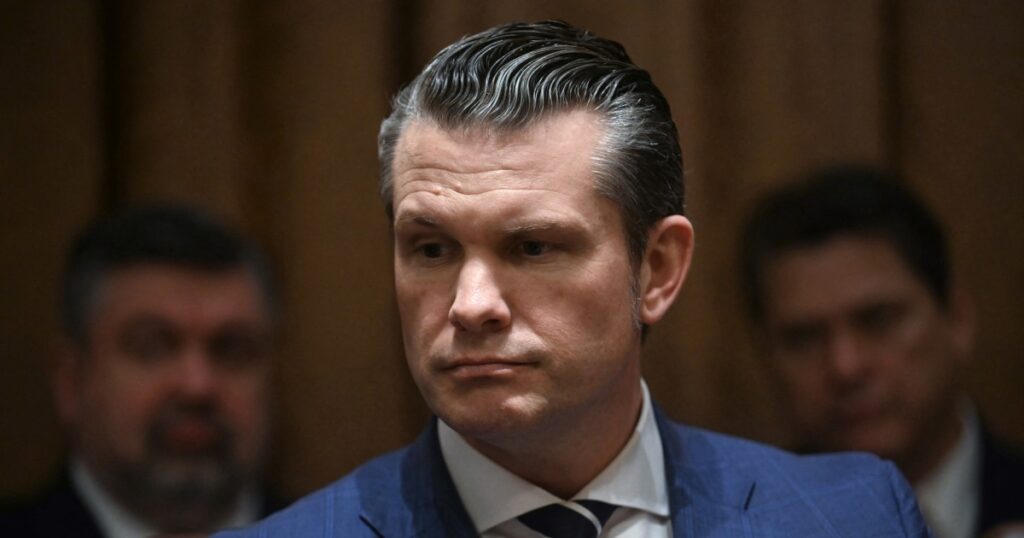
U.S. Cyber Command has been ordered to stop its offensive cyber and information operations against Russia, following a directive from Defense Secretary Pete Hegseth to Air Force General Tim Haugh. Meanwhile, Taiwan Semiconductor Manufacturing Company (TSMC) plans to invest $100 billion in new manufacturing plants in the United States, supported by $6.6 billion from the CHIPS and SCIENCE Act of 2022. These developments reflect the U.S. government's dual focus on enhancing national security through cybersecurity measures and strengthening economic resilience by expanding domestic semiconductor manufacturing.
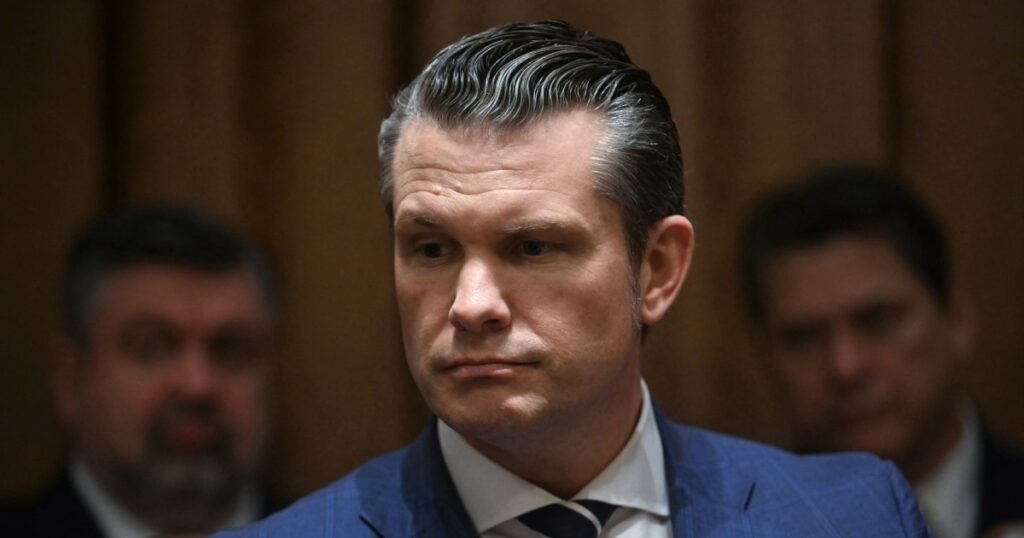
U.S. Defense Secretary Pete Hegseth has ordered the U.S. Cyber Command to halt offensive cyber and information operations against Russia, prioritizing the safety of military personnel. This decision aligns with shifting U.S. policy under President Donald Trump, who has expressed support for Russia and criticized Ukraine, diverging from the stance of Ukraine's allies who aim to prevent a global conflict. The ongoing Ukraine conflict, marked by significant U.S. and European support for Ukraine, remains a focal point of international attention, with the cessation of U.S. cyber operations representing a key development in the geopolitical landscape.
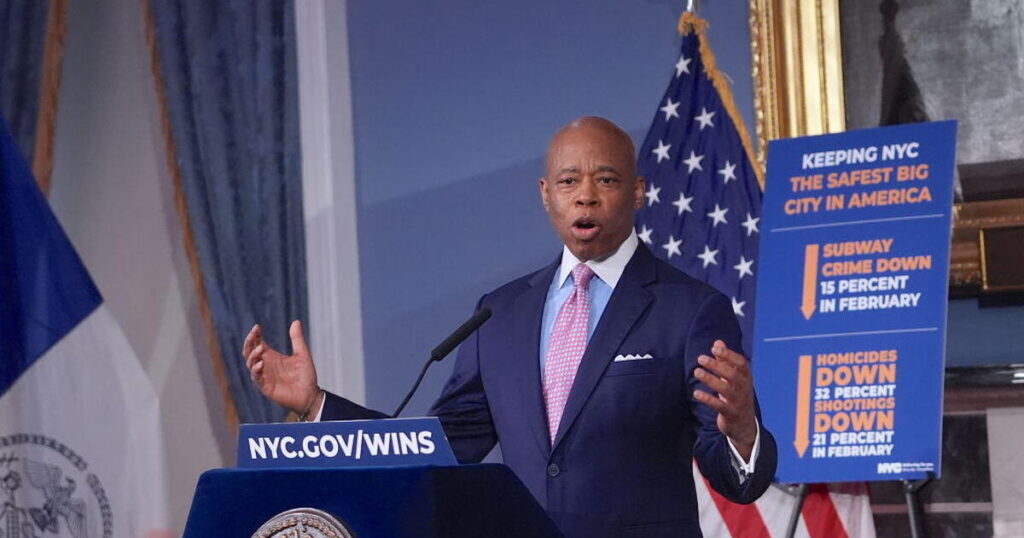
Reports have emerged accusing the Trump Administration of pressuring federal prosecutors to drop public corruption charges against New York City Mayor Eric Adams in exchange for his support of the administration's immigration policies, raising concerns about a potential quid pro quo arrangement. This situation has drawn the attention of political figures like Reps. Jamie Raskin and Jasmine Crockett, who have accused the Justice Department of attempting to cover up the alleged arrangement, prompting an investigation into the integrity of the legal process. Additionally, Nicholas Enrich, a senior USAID official, has been placed on leave after his whistleblower memo contradicted Secretary of State Marco Rubio's claims about humanitarian aid exemptions, highlighting the severe impacts of a foreign aid freeze on global health.