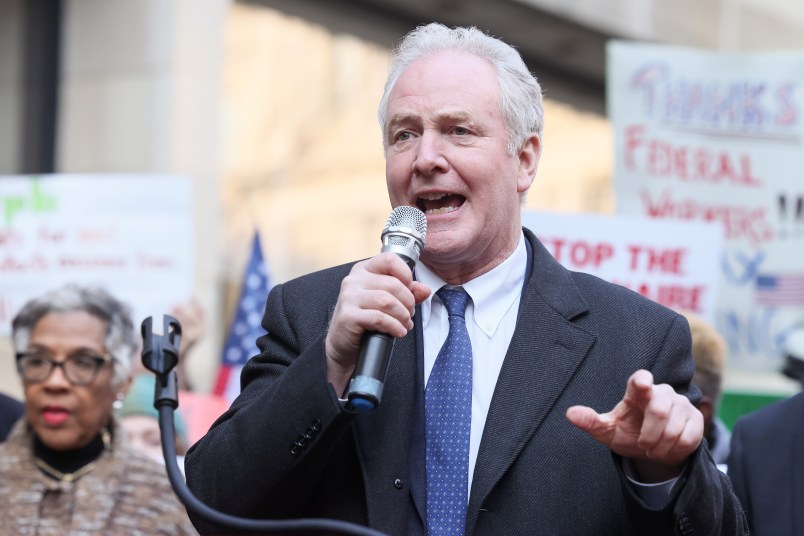
The United States Senate unanimously passed a bill to address a provision in recent government funding legislation that threatened to cut Washington, D.C.'s budget by approximately $1 billion. This bipartisan bill, introduced by Senators Susan Collins and Chris Van Hollen, allows the District to maintain its current level of local fund spending, countering the House Republican continuing resolution that had initially included the budget cuts. The swift passage of the bill highlights the urgency and bipartisan support to protect D.C.'s financial interests, ensuring the well-being of its residents amid ongoing budget negotiations.
Posts published in “Politics”

Mark Carney has been sworn in as Canada's new prime minister, succeeding Justin Trudeau, amid escalating trade tensions with the United States and the looming threat of annexation. Carney's leadership comes at a pivotal moment for the Liberal Party, which was at risk of electoral defeat before the trade conflict altered the political landscape. As he prepares for an anticipated general election, Carney is focused on strengthening cooperation and commerce with the U.S., emphasizing the longstanding bonds between the two nations.
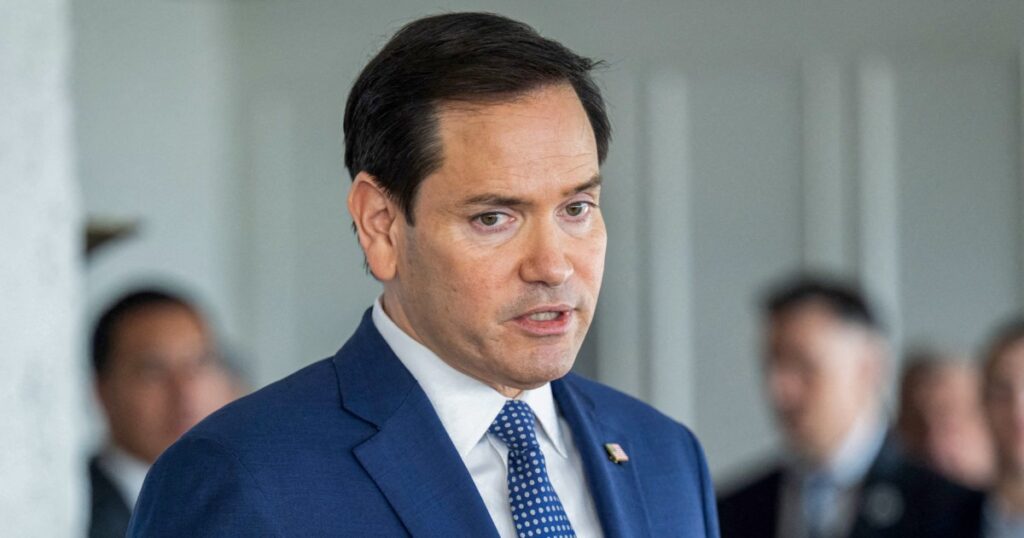
Mark Carney has been sworn in as Canada's new prime minister, succeeding Justin Trudeau, amidst rising tensions with the United States due to trade disputes initiated by President Donald Trump. The situation has been described as a trade war by Canada's Foreign Minister, while the U.S. Secretary of State claims it is an effort to reset trade relations. Carney's leadership is crucial as Canada faces potential electoral changes and economic strain from U.S. tariffs, with his approach to these challenges being closely observed both domestically and internationally.
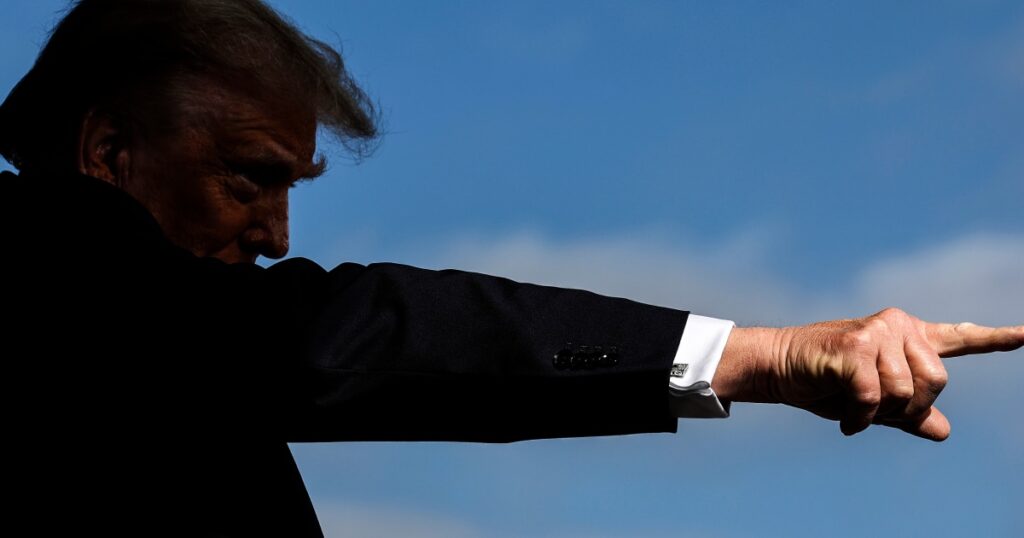
Allegations have emerged against Mr. Martin, a government official in the Trump Administration, accusing him of abusing his position to unlawfully target critics, potentially endangering public safety in Washington, D.C. In a related legal development, two judges have ordered the reinstatement of thousands of federal employees dismissed by the administration, marking a significant setback to its efforts to downsize the federal government. This situation, along with Mr. Martin's reported threats against critics, raises concerns about the administration's handling of dissent and its adherence to democratic principles.
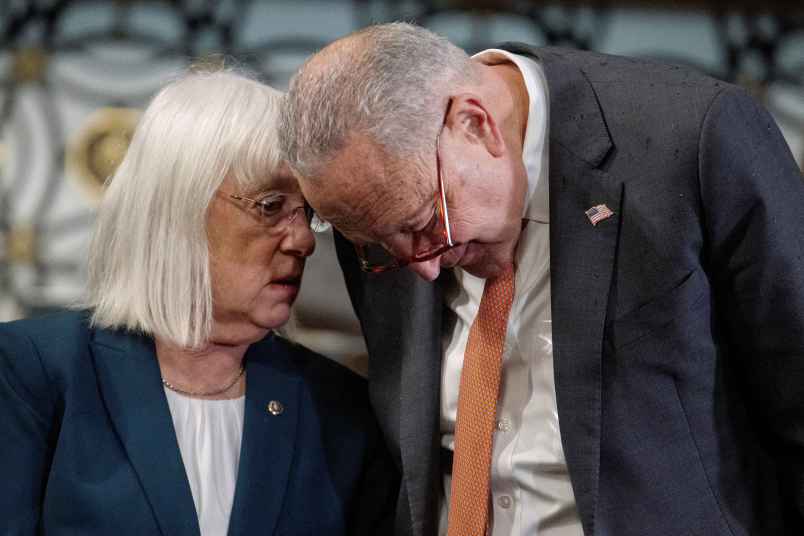
Senate Democrats are facing internal disagreements on how to respond to the GOP's proposed continuing resolution (CR) to fund the government, with Senate Minority Leader Chuck Schumer initially considering a vote on an amendment to the GOP's CR. Former House Speaker Nancy Pelosi has urged Democrats to oppose the GOP bill and instead support a shorter-term funding solution to prevent a government shutdown. Ultimately, Senate Democrats, led by appropriations leaders, decided to abandon the amendment push, highlighting a division within the party and testing Schumer's leadership as they weigh their options in this legislative conflict.
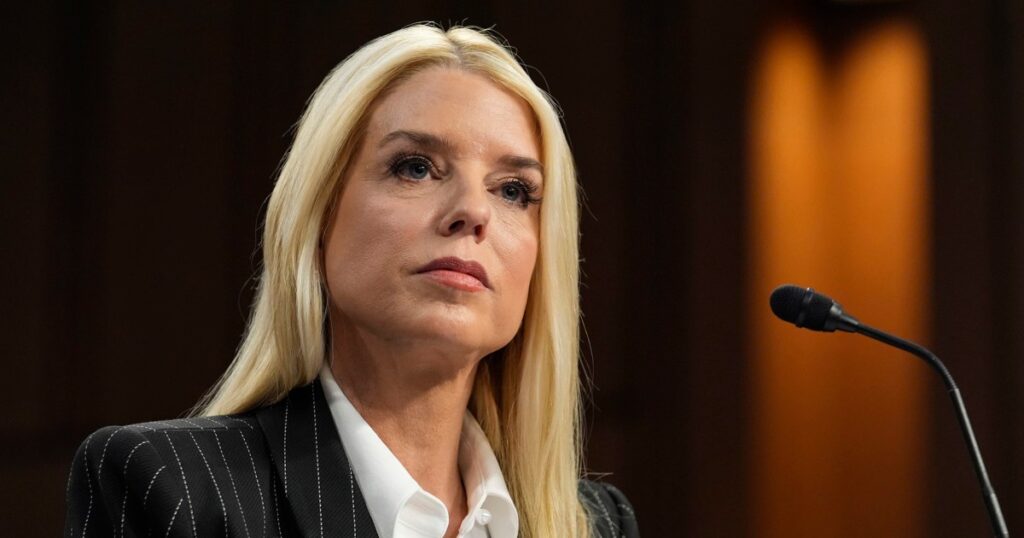
The Trump administration has demanded changes in Columbia University's operations as a condition for restoring $400 million in federal funding, with a compliance deadline set for March 20. This action is part of a broader pattern of the administration's interventions in private institutions, drawing criticism for its perceived authoritarian approach. The situation highlights the administration's strategy of using federal funding as leverage, while Columbia University considers its response to the ultimatum.
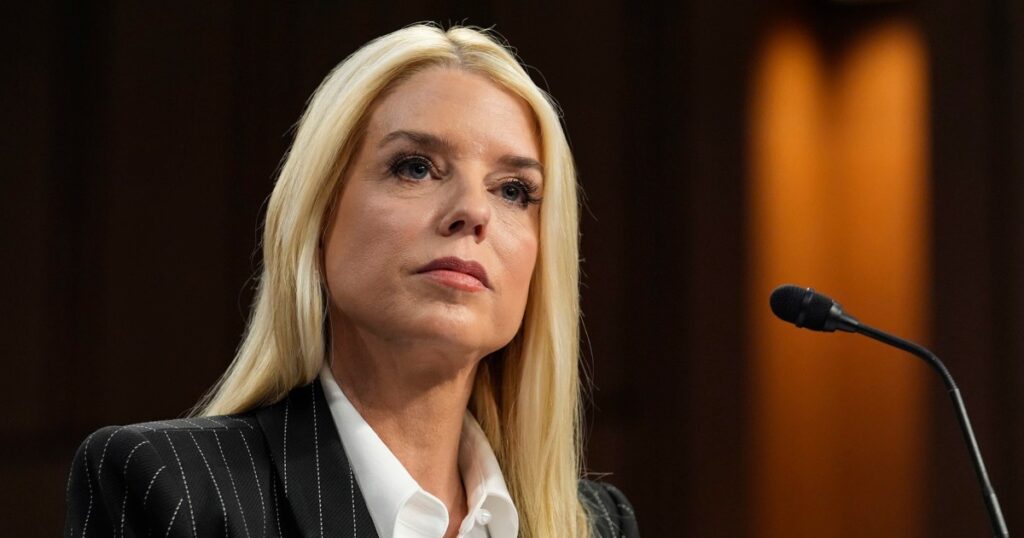
Former President Donald Trump has consistently criticized the Department of Justice, a stance that continued even after special counsel Jack Smith indicted him in two criminal cases. Last fall, Trump appointed Pam Bondi as attorney general, a decision welcomed by some due to her extensive legal experience, especially compared to his initial choice, Matt Gaetz, who was under DOJ investigation. Trump is scheduled to deliver a speech at the Justice Department, where he will outline his vision for the department, emphasizing the end of perceived political weaponization of justice.
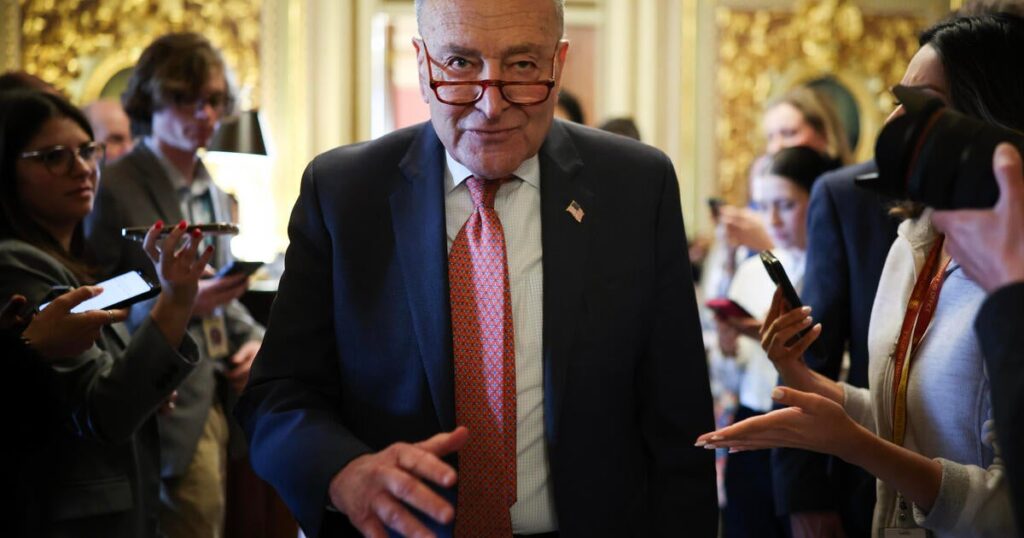
The Senate is set to vote on a Republican-led stopgap measure to prevent a government shutdown, requiring a 60-vote threshold to advance to a final vote. Senate Minority Leader Chuck Schumer has announced his support for the bill, despite pressure from his party's left wing and House Democrats to oppose it, providing political cover for other Democrats who may choose to support the measure. The outcome of the procedural vote remains uncertain, with Democrats needing to decide whether to join Republicans in securing the necessary votes to keep the government operational.