The Trump administration has announced a workforce reduction within the Department of Homeland Security, specifically affecting the Office for Civil Rights and Civil Liberties, the Office of the Immigration Detention Ombudsman, and the Office of the Citizenship and Immigration Services Ombudsman. These offices are crucial for advising on civil liberties, investigating complaints, and addressing immigration detention standards, and their downsizing raises concerns about the department's ability to oversee civil rights and immigration issues effectively. DHS justified the decision by labeling these offices as "internal adversaries" that impeded operational efficiency, marking a significant shift in the department's approach to oversight.
Posts published in “Politics”

Several federal judges have expressed concerns about the Trump administration's approach to advancing its policies, amid criticism from Trump and his supporters towards the judiciary. U.S. District Judge Ellen Lipton Hollander issued a temporary restraining order against the Department of Justice's DOGE Team, criticizing their efforts to access personal information from the Social Security Administration as lacking substantial evidence. Additionally, tensions have escalated with former President Trump calling for the impeachment of a judge who halted deportations, highlighting the ongoing friction between the executive branch and the judiciary.
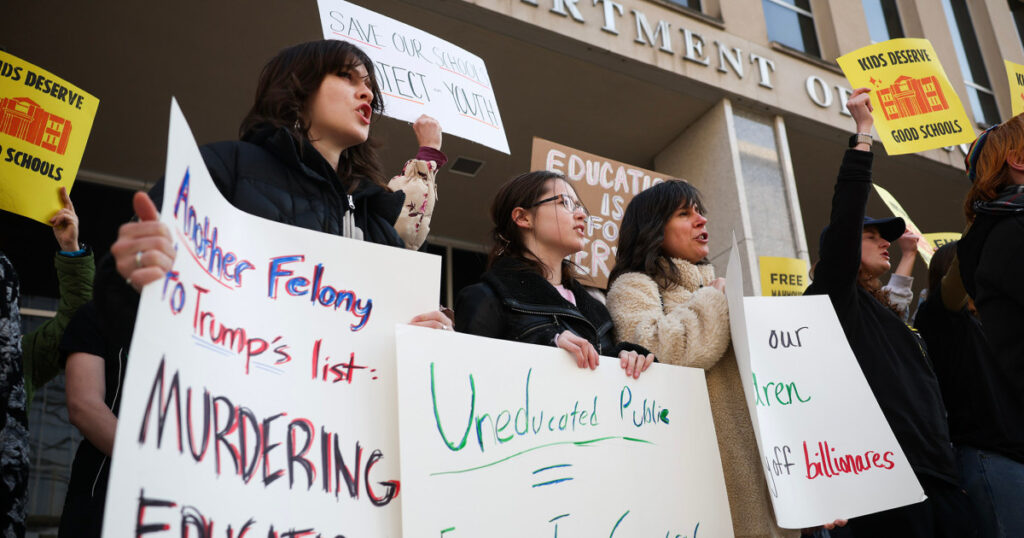
In a major restructuring effort, President Donald Trump announced that the Small Business Administration (SBA) will assume control of the federal student loan portfolio from the U.S. Department of Education, as part of a strategy to streamline federal operations and cut government spending. The SBA plans to reduce its workforce by 43%, aiming to save over $435 million annually, while maintaining its focus on supporting small business growth. This shift reflects the Trump administration's emphasis on reducing government size and complexity, with the SBA now tasked with managing over $1.6 trillion in federal education debt affecting more than 40 million Americans.
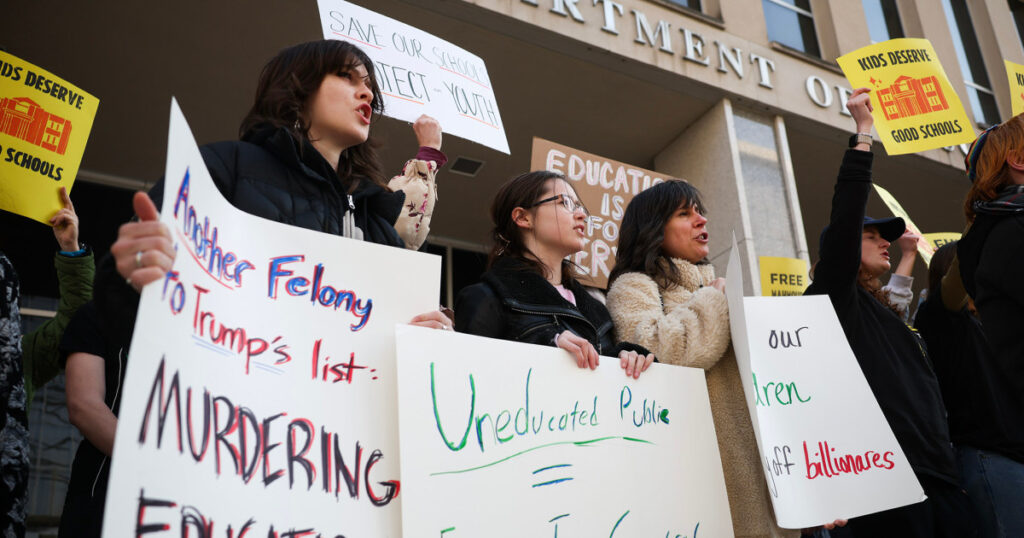
In a major policy shift, President Donald Trump announced that the Small Business Administration (SBA) will assume management of the federal student loan portfolio, traditionally overseen by the U.S. Department of Education, affecting over 40 million borrowers and $18 billion in Title I funding. This transition follows an executive order aimed at dismantling the Department of Education, raising concerns about potential disruptions in federal student loan programs and the administration of financial aid services like Pell Grants and FAFSA. Experts warn that the SBA will face significant challenges in managing the $1.6 trillion federal education debt, emphasizing the need for trained staff and resources to ensure effective support for borrowers and educational institutions.
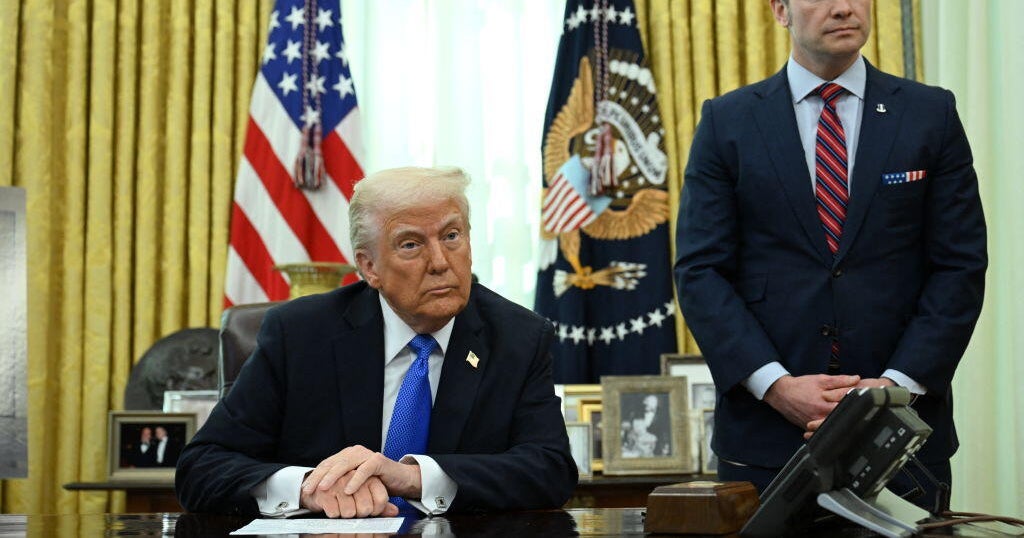
President Trump announced that the U.S. Air Force is developing a sixth-generation fighter jet, the F-47, with Boeing awarded the manufacturing contract to maintain the U.S.'s competitive edge in air defense against China. This decision highlights the strategic importance of advancing military aviation capabilities as part of a broader national security effort. Meanwhile, Senators Elizabeth Warren and Tammy Duckworth have requested clarification from the Defense Department about a Pentagon meeting involving Elon Musk, questioning whether he received a top-secret briefing on U.S. war plans with China, emphasizing the need for scrutiny over the handling of classified information.
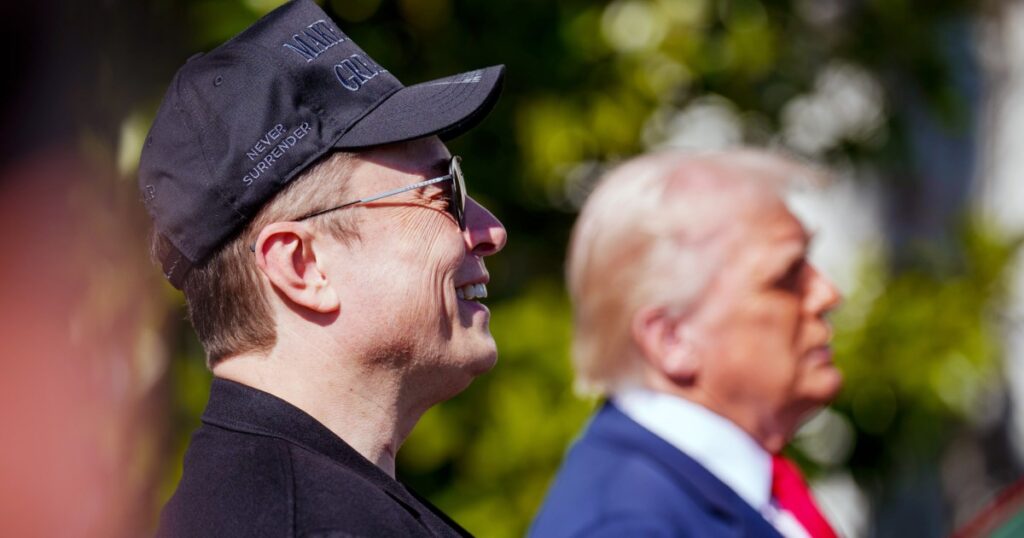
Billionaire Elon Musk has become a significant figure in the political landscape, particularly through his support for former President Donald Trump's administration and efforts to reshape federal bureaucracy. Musk's involvement includes founding a super PAC that is a major spender in the Wisconsin state Supreme Court election and advocating for the impeachment of federal judges who have blocked Trump's executive actions. Additionally, Musk has shown a willingness to financially support Trump loyalists in Congress, using his resources strategically to influence political outcomes and further his commitment to impacting U.S. governance.
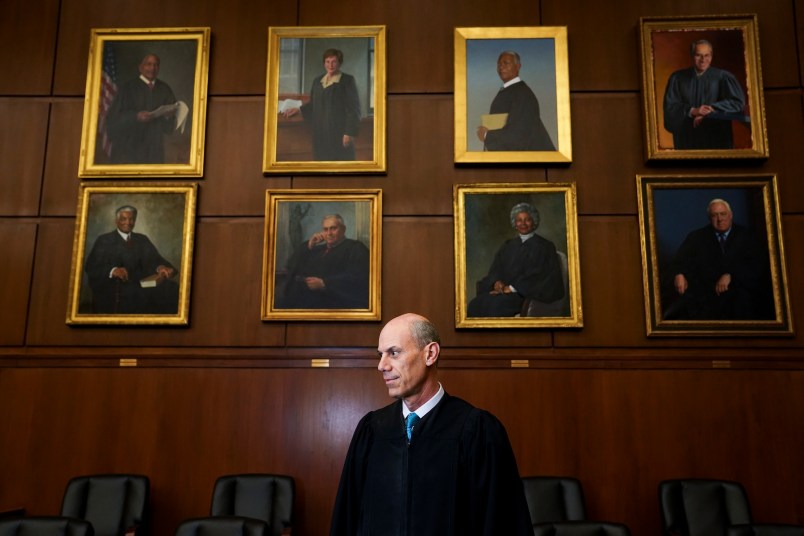
A federal judge has criticized the U.S. government's inadequate response to requests for detailed information about deportation flights conducted under the Alien Enemies Act, involving individuals linked to a Venezuelan gang. The judge's ruling highlights tensions between the judiciary and the executive branch over the Trump administration's use of this seldom-invoked wartime law, raising questions about the balance between national security and legal protocols. As the case progresses, the demand for transparency and accountability could significantly impact future applications of the Alien Enemies Act and the rights of those affected.
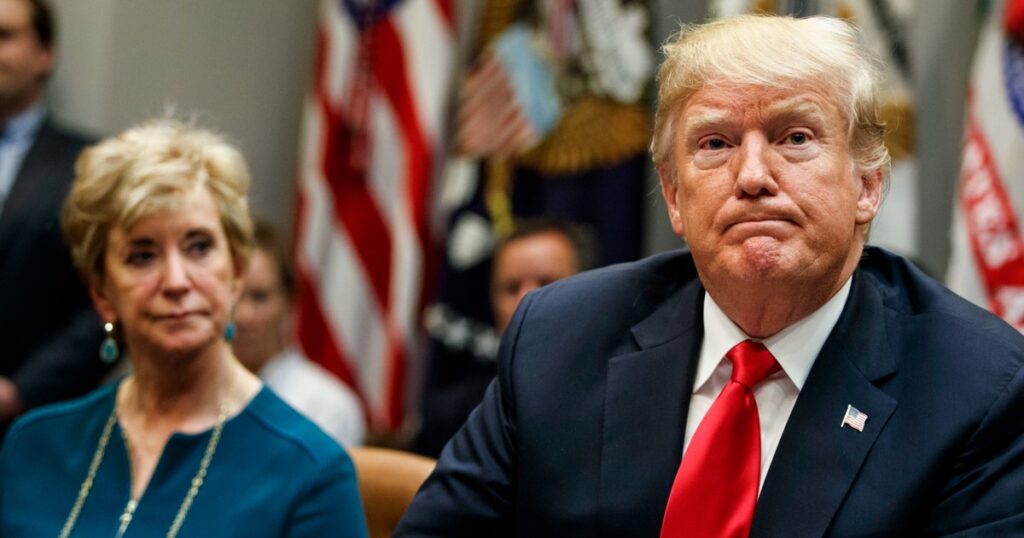
President Donald Trump has signed an executive order to initiate the dismantling of the Department of Education, marking a significant shift in federal involvement in education. He justified the move by citing poor proficiency statistics among students and the country's low educational ranking despite high spending per pupil. The order directs Education Secretary Linda McMahon to begin the process, and Trump hopes for bipartisan support, although the decision has sparked debate about the future management of federal educational responsibilities.