
Airport delays across the U.S. have worsened due to a funding stalemate in Congress over the Department of Homeland Security budget, causing TSA workers to miss paychecks and leading to severe staffing shortages and long security wait times. The impasse is fueled by political disputes over immigration enforcement reforms, with Democrats blocking full DHS funding and Senate leaders seeking urgent solutions before the upcoming recess. Meanwhile, scrutiny of DHS procurement practices has intensified amid reports of controversial contracts and operational failures, further complicating efforts to restore stability to the department.
Posts published in “Politics”

The U.S. Senate has failed for the fifth time to pass legislation funding the Department of Homeland Security, prolonging a shutdown that has severely disrupted airport security due to TSA staffing shortages. The deadlock stems from Democrats demanding immigration enforcement reforms before reopening the department, while Republicans and the White House have proposed measures that Democrats find insufficient. Despite ongoing bipartisan talks and a planned procedural vote to fund TSA separately, no resolution appears imminent as both sides remain entrenched in their positions.
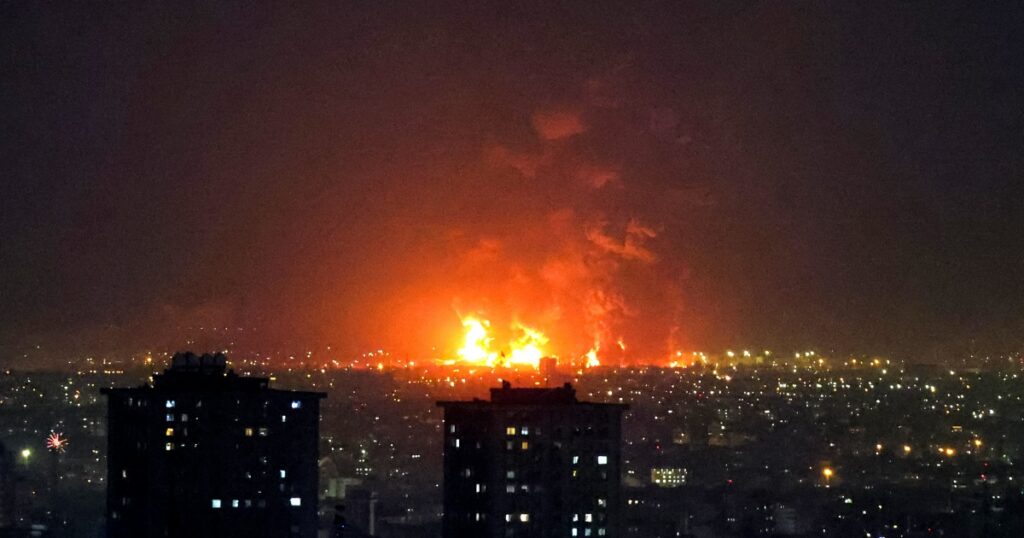
The U.S. Treasury Department has temporarily eased sanctions on Iranian oil shipments already at sea to help lower soaring global energy prices, allowing purchases of oil loaded before a specified deadline until April 19. This narrowly tailored move aims to increase supply without significantly benefiting Iran financially, marking a shift from previous maximum pressure policies amid ongoing tensions and geopolitical conflicts affecting oil markets. However, experts remain skeptical about the relief’s effectiveness, while high fuel costs continue to impact industries like aviation, prompting operational adjustments and discussions of increased security measures in critical shipping routes.
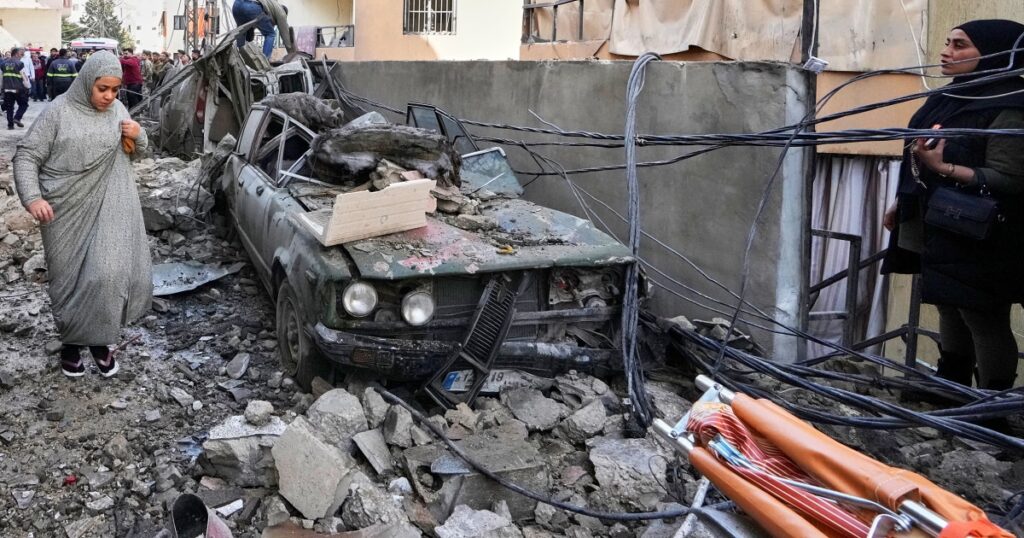
The Trump administration has been considering a high-risk operation involving the Joint Special Operations Command to seize Iran's enriched uranium stockpiles amid ongoing military efforts targeting Tehran and its allies. While initial U.S.-Israel campaigns focused on Iran's conventional military assets, the strategy has shifted toward preventing Iran from acquiring nuclear weapons, despite challenges posed by Iran's continued enrichment and regional counterattacks. Concurrently, escalating conflict in Lebanon, driven by Israeli strikes against Hezbollah and fears of a ground invasion, has displaced thousands and heightened tensions along the border, with uncertain prospects for a lasting resolution.
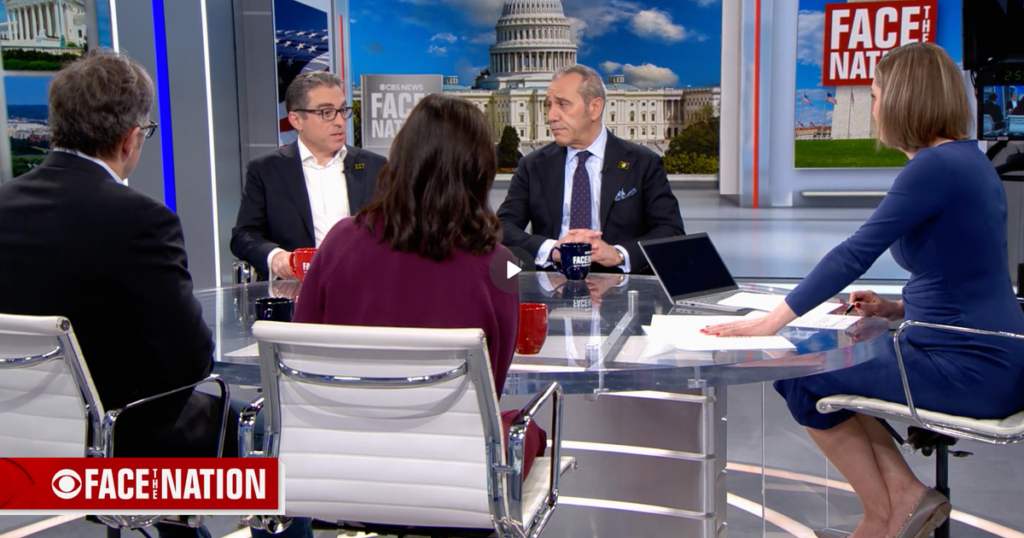
Tensions between the U.S. and Iran have heightened concerns over the safety of at least four American detainees held in Iran’s volatile prisons amid ongoing conflict and unrest. Meanwhile, the U.S. government is considering various military options, including potential ground troop deployments, to counter Iran’s strategic capabilities and secure key regional assets like the Strait of Hormuz. These developments occur alongside complex regional dynamics, with strained U.S.-Israel coordination following unilateral Israeli strikes on Iranian targets, highlighting the challenges of balancing humanitarian concerns with broader military and diplomatic strategies.
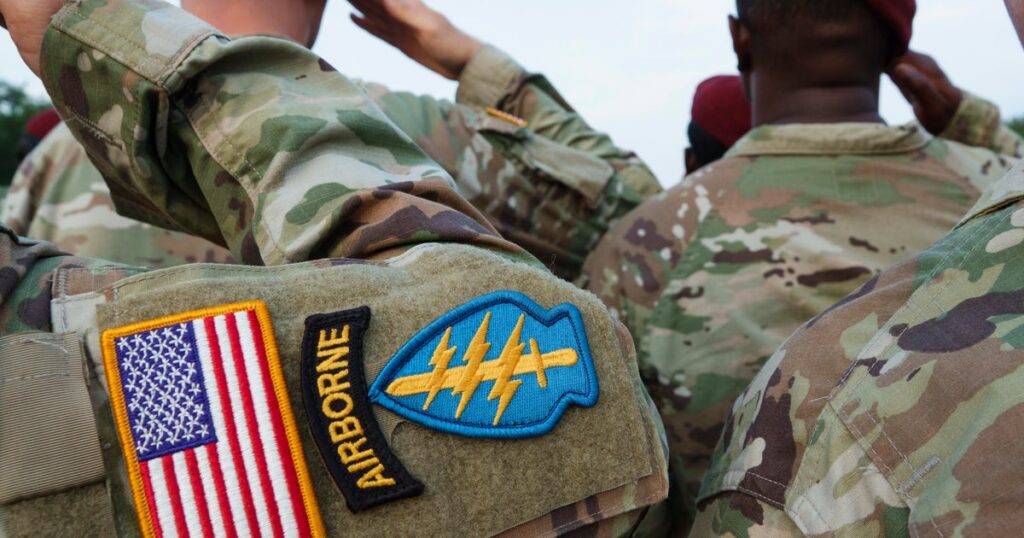
The U.S. Department of Defense has been engaging with families of fallen service members while preparing for a possible deployment of ground troops to the Middle East amid ongoing tensions with Iran. Defense Secretary Pete Hegseth reported that many families urged the continuation of the mission, though some, like Charles Simmons, expressed uncertainty about the war’s necessity. Meanwhile, Pentagon officials are readying forces including the 82nd Airborne Division and Marine units, even as President Trump denies immediate plans to send troops, emphasizing that preparations aim to preserve strategic options.

The U.S. Department of Justice, under the Trump administration, filed a federal lawsuit against Harvard University alleging that the institution failed to protect Jewish and Israeli students from harassment following the October 7, 2023, Hamas terror attack, violating federal civil rights law. The lawsuit accuses Harvard of deliberate indifference to a hostile environment and seeks to recover billions in federal funding, amid ongoing disputes including previous funding freezes and legal battles over alleged antisemitism and ideological bias. Despite stalled negotiations and increased settlement demands by President Trump, Harvard has yet to publicly respond to the latest legal action.
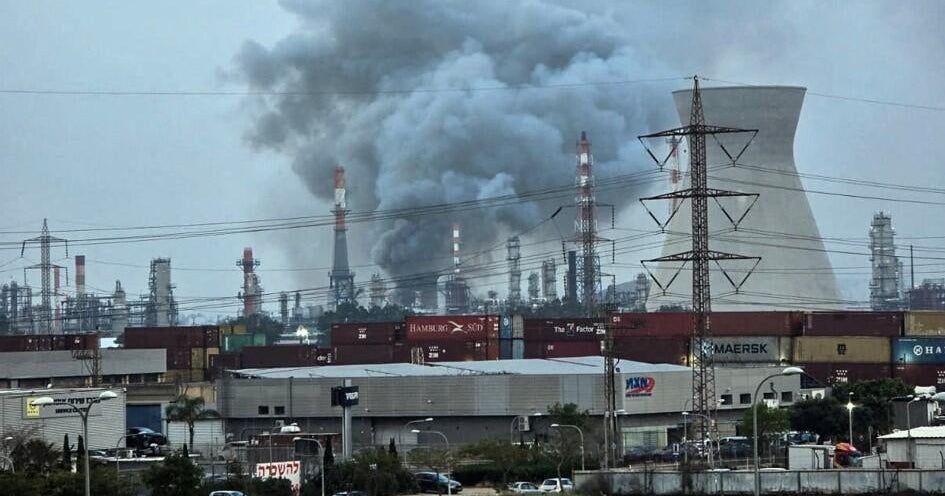
The conflict involving the United States, Israel, and Iran has intensified tensions across the Persian Gulf, with Iran launching retaliatory strikes on energy and civilian infrastructure in neighboring countries, prompting a high-level Gulf states meeting in Riyadh to address the escalating crisis. These attacks have severely impacted regional security and global energy markets, causing significant damage to oil and gas facilities and driving up oil prices, while military confrontations have included missile strikes, air raids, and the emergency landing of a U.S. F-35 jet. Despite widespread alerts and civilian sheltering, Gulf states remain divided on their response, with calls for de-escalation and ceasefire from some, amid fears of broader regional destabilization.