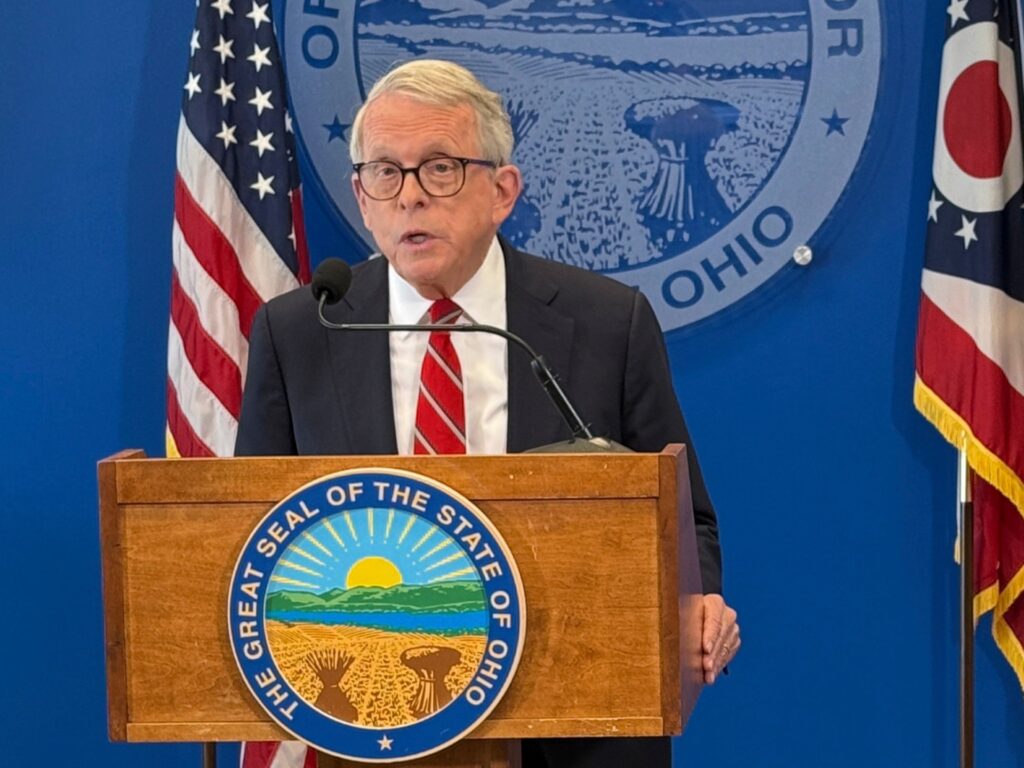
Ohio Gov. Mike DeWine called for abolishing the death penalty, reversing the position he held when he helped write the state’s 1981 capital punishment law. He said the punishment no longer deters murder and urged lawmakers or voters to repeal it.
Posts published in “Politics”
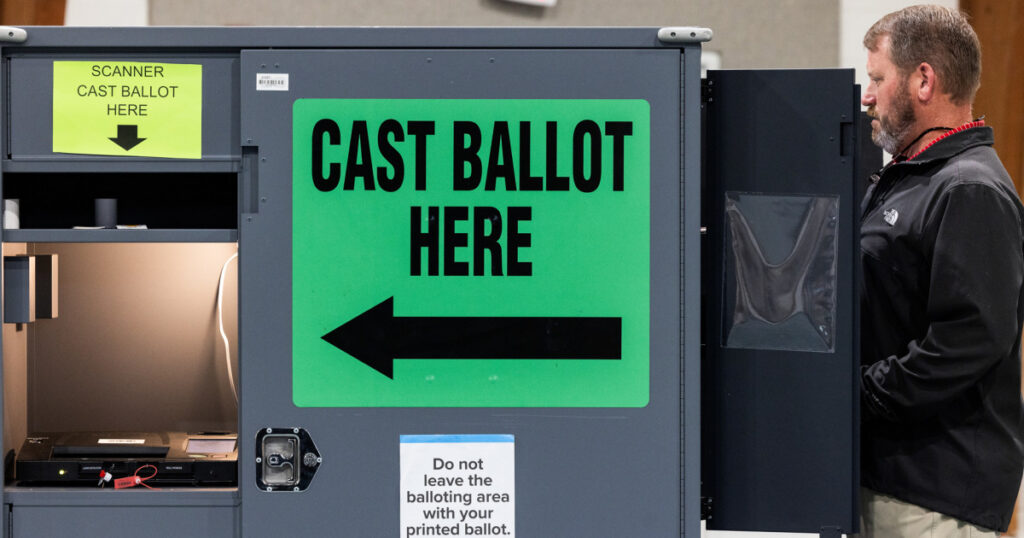
Republican runoffs in Georgia and Alabama tested Donald Trump’s endorsement power, with early Georgia results showing Trump-backed Burt Jones trailing in the governor’s race and Mike Collins narrowly leading in the Senate contest. Voters also cast ballots in Oklahoma and Washington, D.C.
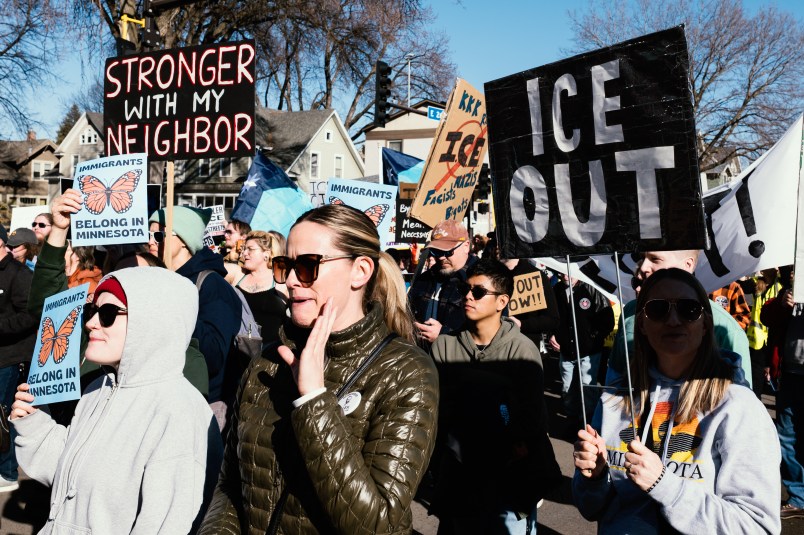
Federal prosecutors charged 15 Minnesota activists with felony offenses tied to anti-ICE protests during Operation Metro Surge. U.S. Attorney Daniel Rosen said the case targets conduct, not speech, while critics accused the government of punishing protest activity.
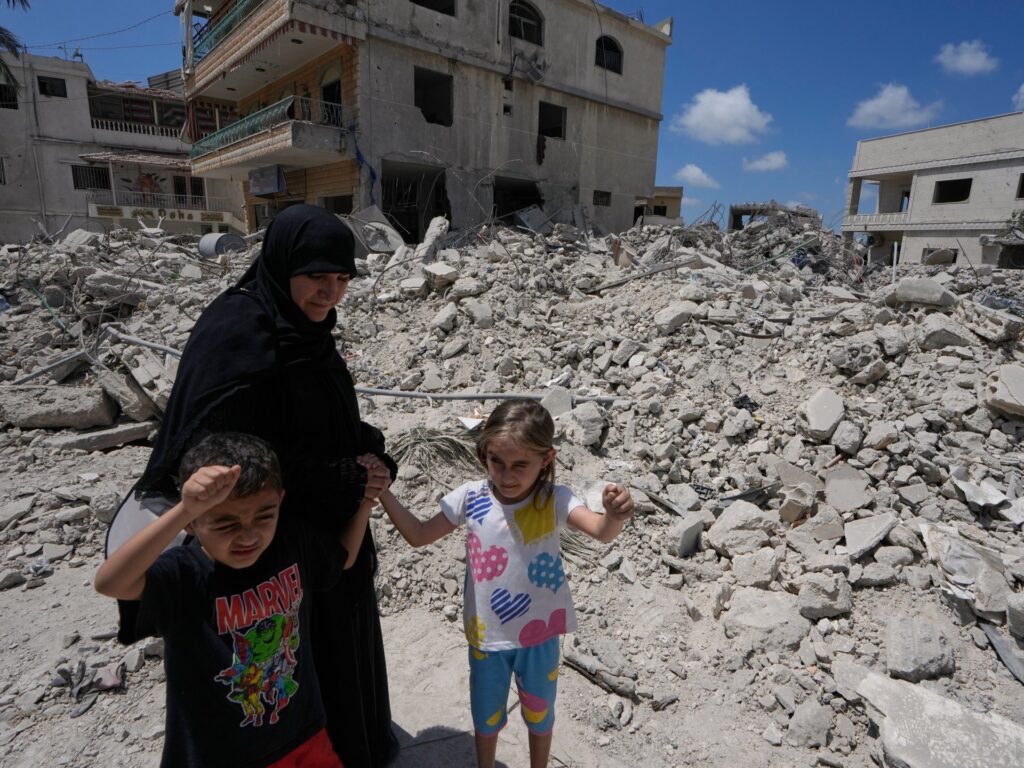
Deadly Israeli strikes in southern Lebanon have tested a fragile ceasefire understanding between the United States and Iran. Displaced families are returning to devastated towns, but Israeli occupation, Hezbollah’s weapons and reconstruction remain unresolved.
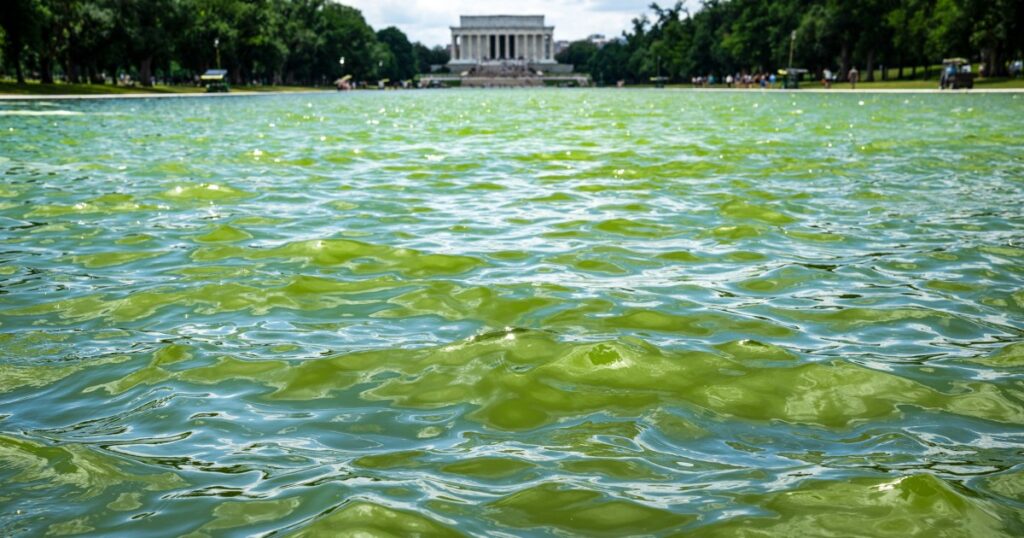
The Lincoln Memorial Reflecting Pool has turned green with algae days after a multimillion-dollar renovation meant to make it “American flag blue.” The Interior Department says nanobubble technology and hydrogen peroxide are being used to treat the water.
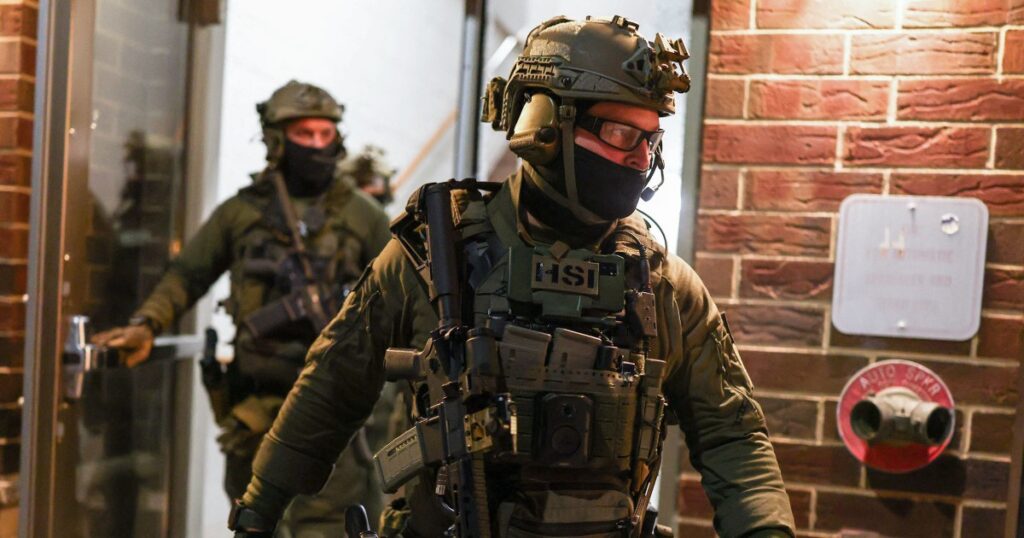
Federal prosecutors charged 15 people in Minnesota over protests against the Trump administration’s Metro Surge immigration operation. Officials accused the defendants of using vehicles, ice blocks and homemade shields to impede federal agents.
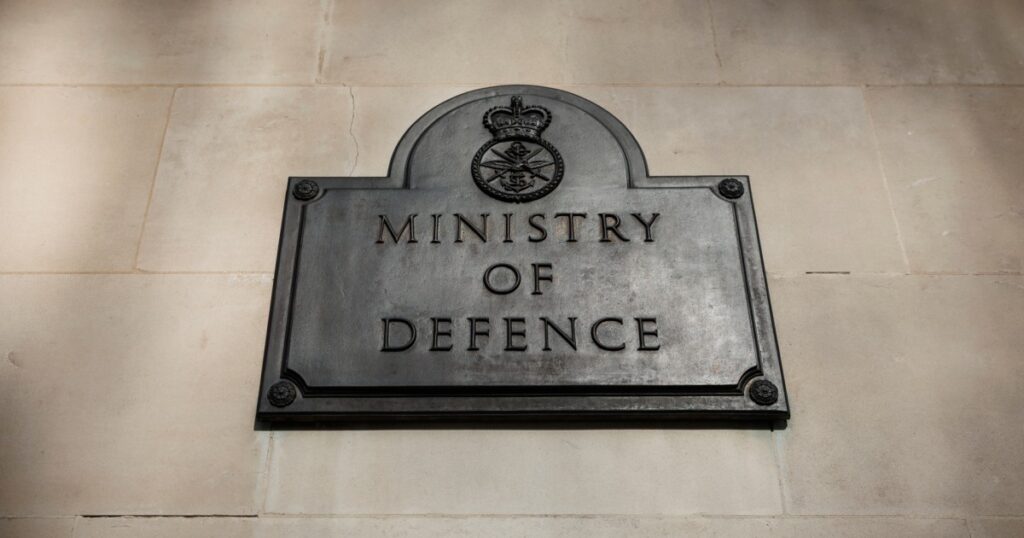
Britain’s Ministry of Defence is investigating reports that a Russian frigate fired warning shots near a UK-registered yacht in the English Channel. No injuries or damage were reported, and officials are treating the episode as isolated.
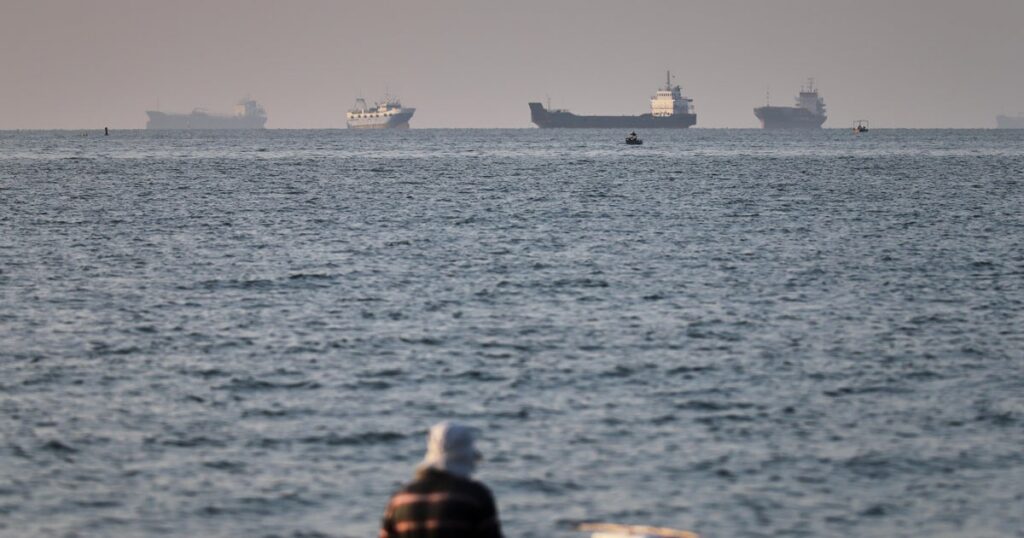
Trump has declared the Strait of Hormuz open and safe under a pending U.S.-Iran agreement, but shippers say they need proof that vessels can transit without danger. Ship-tracking data shows only limited movement as concerns persist over security, mines and possible fees.