
Bank of America, the second-largest bank in the United States, has been ordered to pay more than $100 million in penalties and restitution to customers for illegally double-dipping on fees, withholding reward bonuses, and opening accounts without customer consent. The Consumer Financial Protection Bureau and the Office of the Comptroller of the Currency announced the penalties on Tuesday, and Bank of America has agreed to the terms.
Posts published in “Financial”
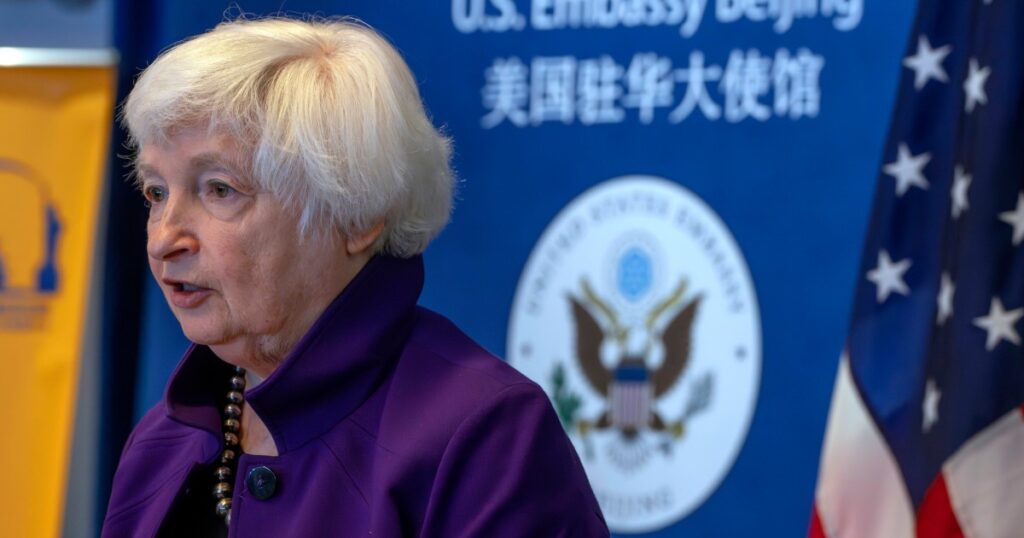
Treasury Secretary Janet Yellen recently visited Beijing to discuss setting relations between the U.S. and China on a "surer footing". Yellen noted that the two countries have significant disagreements, but the Biden administration does not see the relationship as a zero-sum game. She said that the two countries must communicate their disagreements clearly and work together to address shared global challenges, while considering curbs on U.S. investment in China. Yellen urged the two countries to find common ground and build trust through dialogue and cooperation.
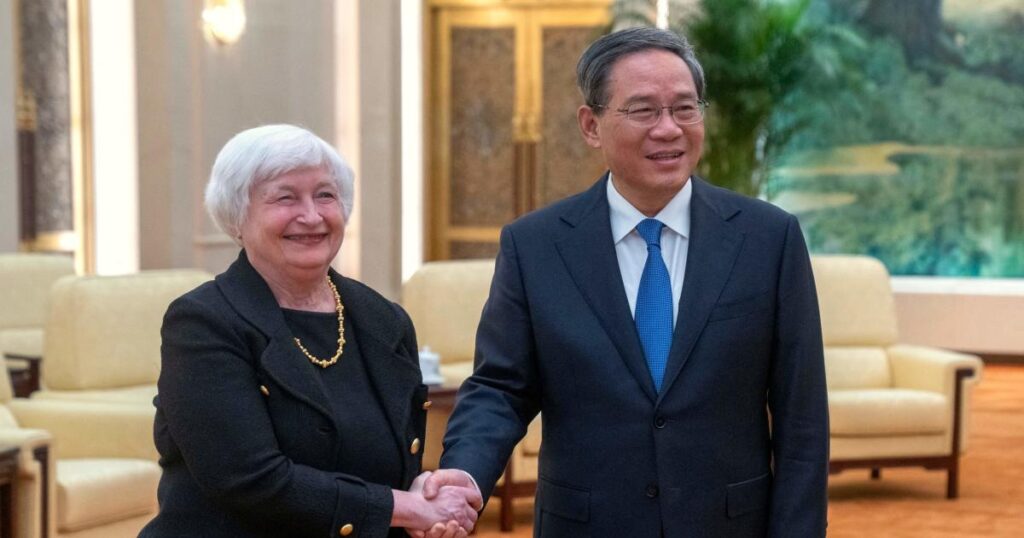
Treasury Secretary Janet Yellen has defended the United States' actions to protect its national security in a meeting with Chinese Premier Li Qiang, citing the U.S.'s October announcement of sweeping export controls and China's recent measures to restrict the export of two metals used in chip manufacturing. Despite some friction, Yellen said the U.S. is committed to working with China to promote a more open, balanced, and mutually beneficial economic relationship.
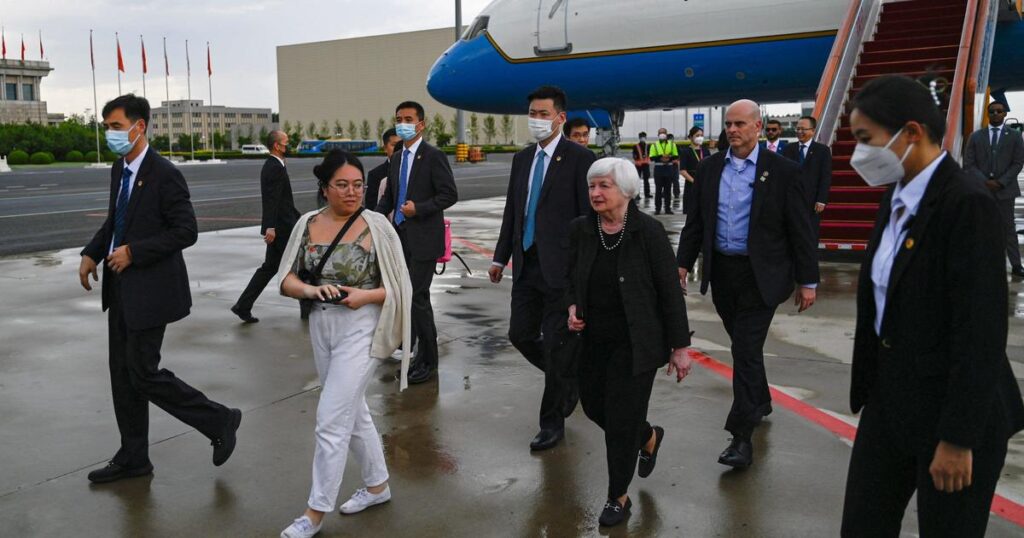
Treasury Secretary Janet Yellen has arrived in Beijing for a four-day visit, the first high-level meeting between the U.S. and China since tensions began to escalate. This visit marks a thaw in ties between the two countries and presents an opportunity to communicate and collaborate on global challenges. Yellen's visit is expected to focus on economic issues, including the global economic recovery, the U.S.-China trade relationship, and the Biden administration's plans for economic stimulus.
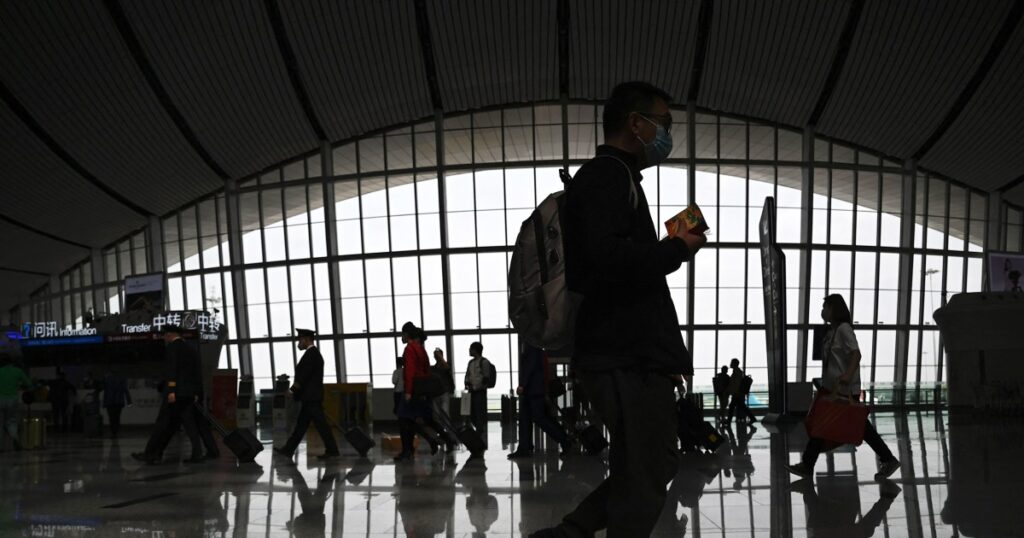
Treasury Secretary Janet Yellen is visiting China this week to discuss the implications of recent laws passed by China on U.S. citizens and businesses, with the aim of improving the relationship between the two countries. These laws include a counterespionage law, a Foreign Relations Law, and the sentencing of a U.S. citizen to life in prison on spying charges. Yellen's visit is expected to focus on the importance of the two countries to global economic stability.
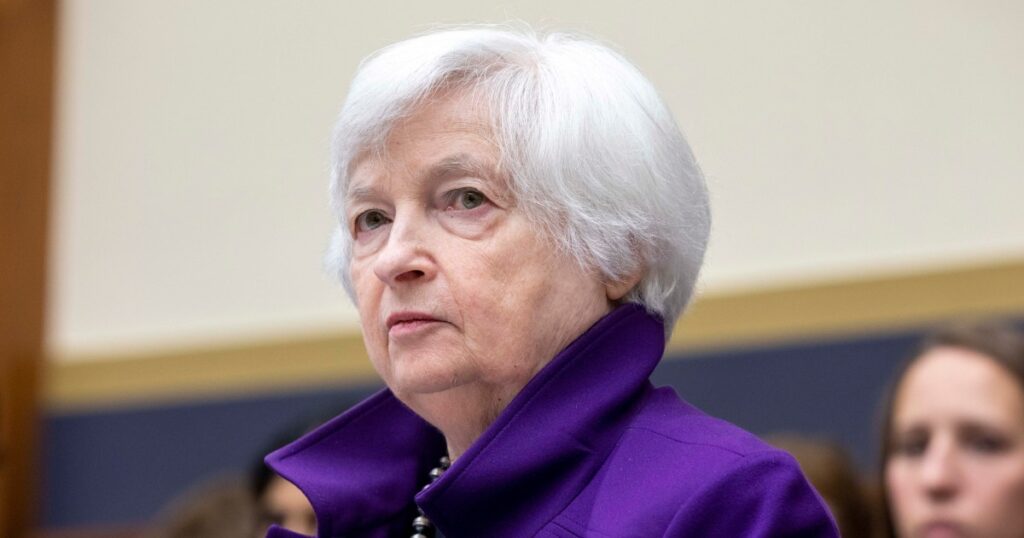
Treasury Secretary Janet Yellen is traveling to Beijing this week to improve U.S.-China relations, with the intention of deepening communication, avoiding miscommunication, and expanding collaboration. During her visit, Yellen will meet with Chinese officials, U.S. companies, and Chinese people, and will discuss macroeconomic and financial issues. This trip is seen as a continuation of the Biden administration's effort to thaw U.S.-China relations, and could potentially lead to improved communication and collaboration between the two countries.
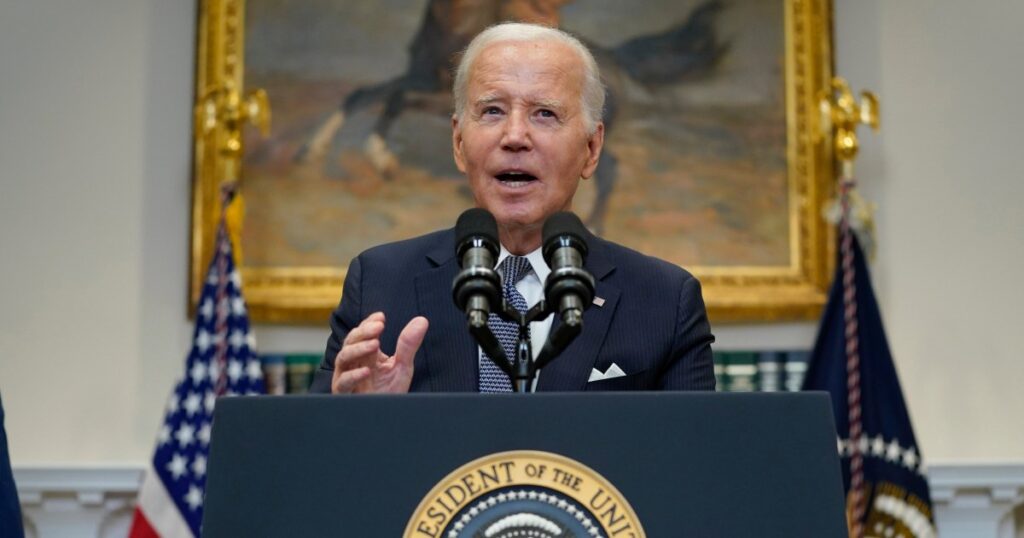
The Supreme Court has blocked President Joe Biden's plan to provide student loan debt relief to more than 40 million borrowers, prompting the president to announce a new 12-month "onramp repayment program" and explore other options for relief. Democrats are vowing to continue to fight for student loan debt relief, with Senate Majority Leader Chuck Schumer (D-N.Y.) promising, "We will not give up on this fight."

ESPN has announced a round of job cuts that includes some well-known on-air personalities, such as Jeff Van Gundy, Suzy Kolber, Keyshawn Johnson, and Jalen Rose. The cuts are part of ESPN's effort to identify cost savings and prevent further reductions to off-air staff due to the economic downturn caused by the coronavirus pandemic. The layoffs of these personalities is a sign of the difficult times the network is facing.