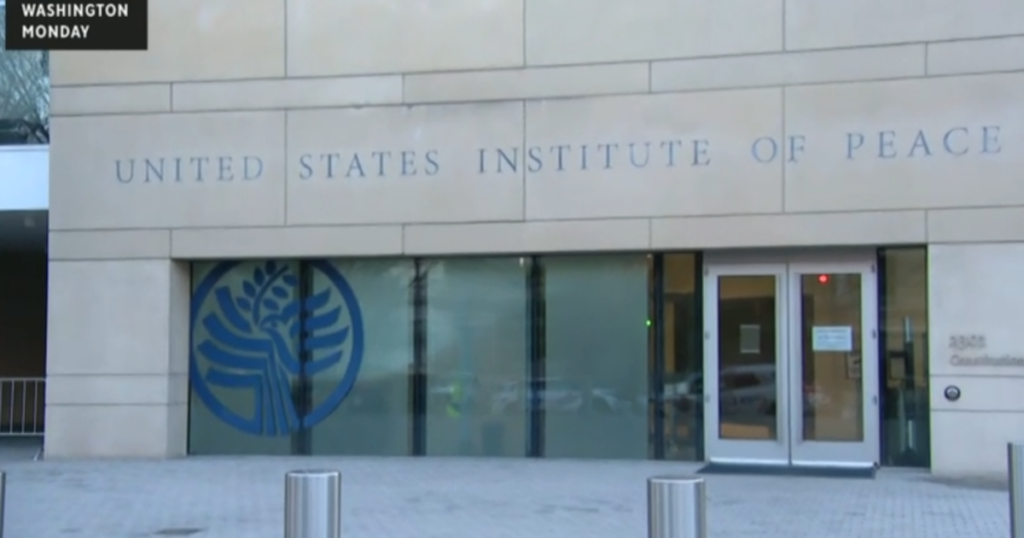
Recent developments at the U.S. Institute of Peace have revealed complex issues involving power dynamics and governance, following the involvement of the DC Metropolitan Police Department and the alleged new directors. U.S. District Judge Beryl Howell is considering nullifying the removal of board members after the White House Presidential Personnel Office issued termination notices, amid broader challenges to the White House Department of Government Efficiency's attempts to control the nonprofit. Despite ongoing legal challenges, a federal judge has declined to halt the White House's takeover efforts, drawing attention to potential abuses of power and raising questions about the Institute's governance.
Posts published in “Crime”
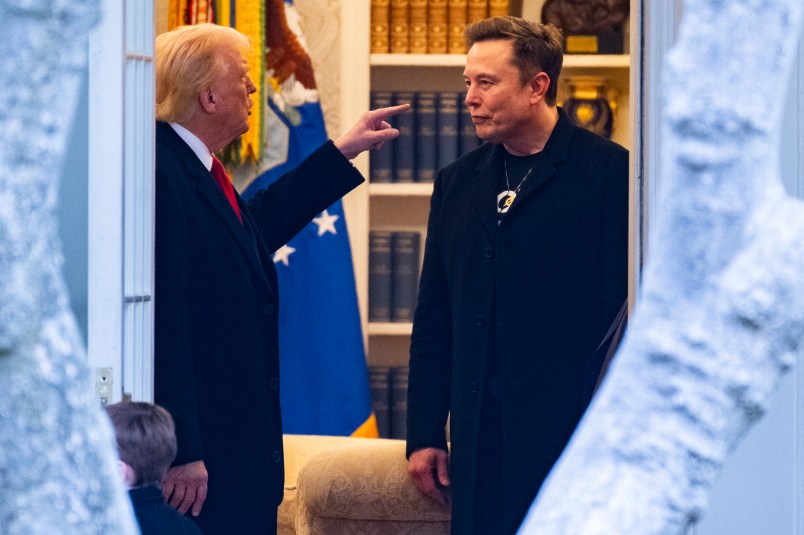
U.S. District Judge Beryl Howell ruled against the immediate reinstatement of several board members dismissed from the U.S. Institute of Peace, despite expressing disapproval of the White House Department of Government Efficiency's approach. The case centers on the unique status of the Institute as an independent charitable corporation established by Congress, with Judge Howell citing legal precedent and determining that the board members were unlikely to succeed on the merits of their case. The controversy, sparked by termination notices sent by the White House under the Trump administration, underscores ongoing tensions between the executive branch and independent agencies, with potential implications for governance and executive power.
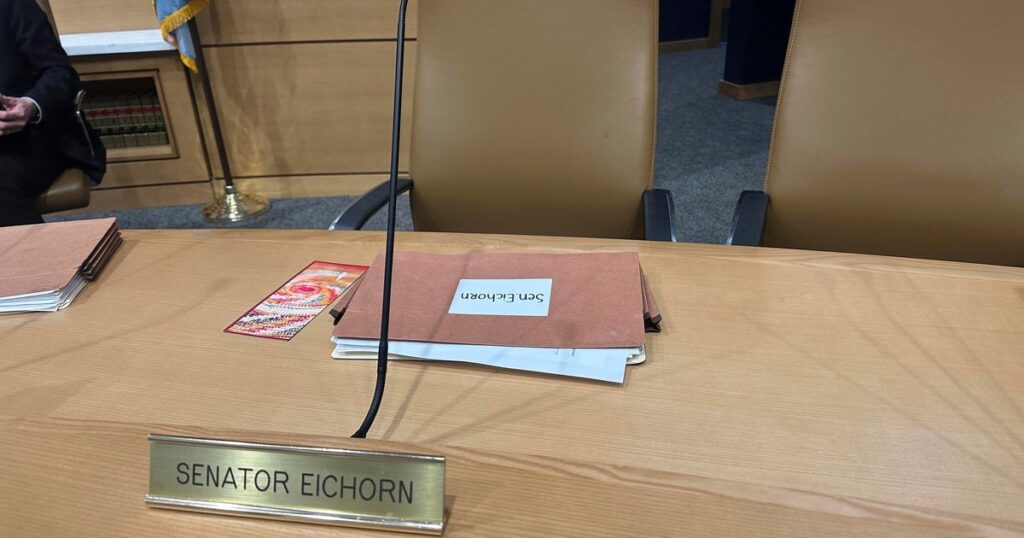
Minnesota State Senator Justin Eichorn has been arrested and faces federal charges for allegedly attempting to solicit sex from a minor, who was actually an undercover detective. The incident has led to widespread calls for his resignation and has drawn significant public and media attention. As legal proceedings continue, the U.S. Attorney's Office has highlighted the seriousness of the charges, emphasizing a zero-tolerance policy for public officials violating laws designed to protect children.
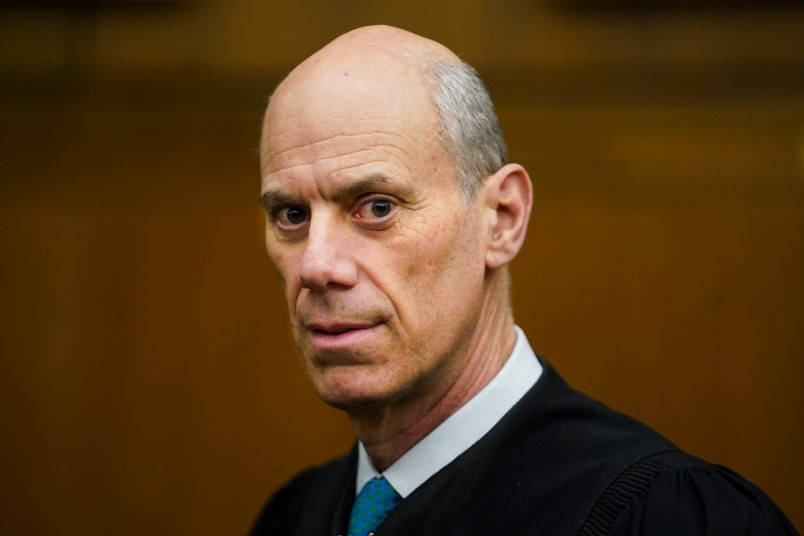
Tensions have risen between the U.S. Department of Justice and D.C. District Chief Judge James Boasberg over the disclosure of details about deportation flights conducted under the Trump administration's Alien Enemies Act. Judge Boasberg has requested specific information to assess compliance with a previous order, while the Justice Department argues that such demands interfere with executive functions and may invoke the state secrets privilege to withhold sensitive information. This legal dispute underscores the broader conflict between judicial oversight and executive authority in immigration enforcement, with potential implications for future interactions between these branches of government.
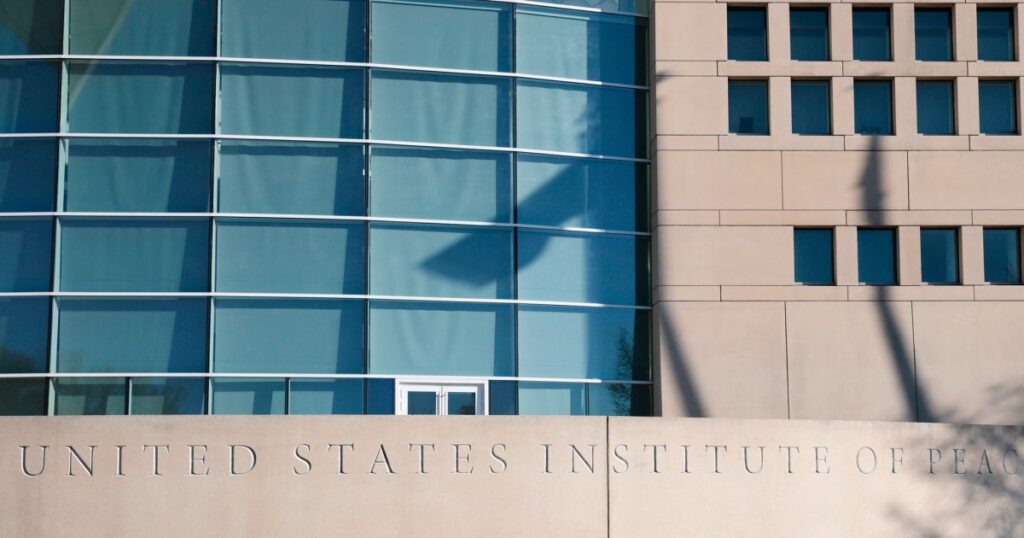
The United States Institute of Peace (USIP) has filed a lawsuit in federal court to prevent its forced shutdown, alleging a "takeover by force" involving the Department of Government Efficiency, the FBI, the Justice Department, and local police. The lawsuit names high-profile defendants, including Kenneth Jackson, Secretary of State Marco Rubio, and former President Donald Trump, accusing the Trump administration of attempting to unlawfully dismiss USIP President George Moose to exert undue influence over the organization. As the USIP seeks legal protection to continue its operations, the case underscores tensions between governmental bodies and independent organizations, with potential implications for the governance of similar entities.
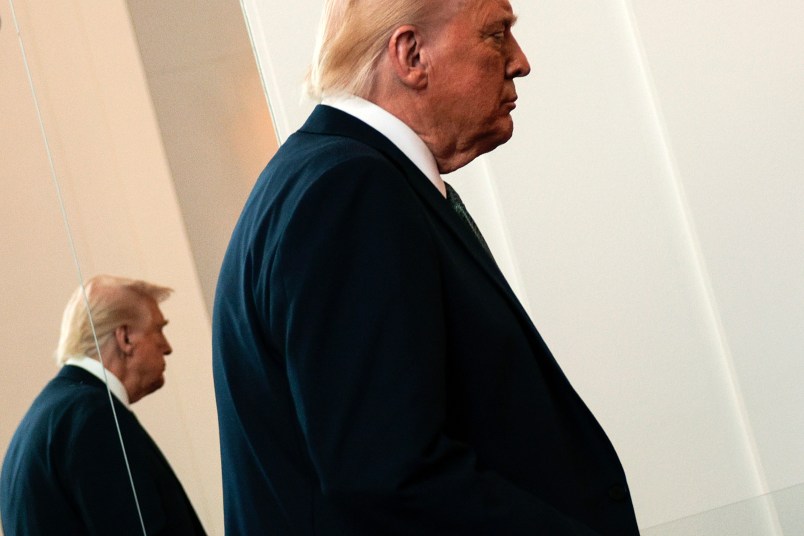
The United States Institute of Peace (USIP) has filed a lawsuit to prevent its forced shutdown by the Department of Government Efficiency, alleging a "takeover by force" involving several government agencies. This legal action is part of a broader conflict between the Trump administration and the federal judiciary, highlighted by President Trump's call for the impeachment of a federal judge, which prompted a rare public defense of judicial independence by Chief Justice John Roberts. The outcome of the USIP's lawsuit could have significant implications for the autonomy of independent organizations and the balance of power between government branches.

The Department of Justice (DOJ) has filed a request to delay a deadline set by District Judge James Boasberg, which required the Trump administration to provide detailed information about deportation flights to El Salvador. The DOJ opposes Judge Boasberg's directive, describing it as "digressive micromanagement" and an "unnecessary judicial fishing" expedition, highlighting tensions between the DOJ and the judiciary. This legal dispute underscores ongoing conflicts over immigration enforcement and judicial oversight, with potential implications for how deportation orders are executed and the role of judicial intervention.

In response to the arrest of Istanbul's Mayor Ekrem Imamoglu and around 100 others, authorities have implemented measures such as road closures and a ban on demonstrations to prevent potential protests. These actions occur amid political shifts in Turkey, where President Erdogan's party faced losses in local elections, leading to increased calls for early national elections and raising concerns about government suppression of opposition. Despite restrictions, supporters of Imamoglu protested his detention, prompting a police presence and highlighting tensions over political freedoms and democracy in Turkey.