
The Trump administration is under scrutiny for its handling of Kilmar Abrego Garcia's deportation case, as U.S. District Judge Paula Xinis demands information about Garcia's status following a Supreme Court directive for his release from Salvadoran custody. Despite the court's order, the Justice Department has been unable to provide details, citing impracticality and a lack of knowledge about Garcia's whereabouts. This case highlights the challenges in immigration enforcement and the balance between governmental authority and judicial oversight, with potential implications for future similar cases.
Posts published in “Crime”

A Cessna 310 aircraft crashed near Boca Raton, Florida, on Friday morning, impacting local infrastructure and prompting a substantial emergency response. The crash occurred on the Tri-Rail tracks near Interstate 95, causing the closure of the area to traffic and resulting in significant disruption to local rail services. As investigations continue, authorities have not released official information on casualties, but the incident has led to the closure of the I-95 overpass at Glades Road and advisories for the public to avoid the area.
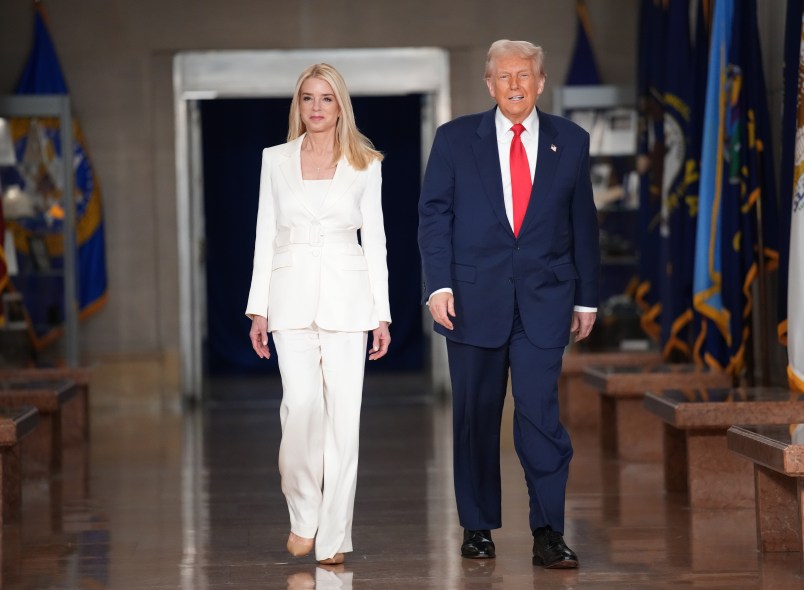
The U.S. Supreme Court has ordered the Trump administration to facilitate the return of Kilmar Abrego Garcia, who was mistakenly deported to El Salvador, emphasizing the need for immediate action to rectify the situation. U.S. District Judge Paula Xinis has mandated a status update from the administration, requiring details on Garcia's location, custodial status, and the steps taken to ensure his return. This case highlights the complexities of immigration enforcement, underscoring the importance of legal protocols and careful oversight to prevent wrongful deportations.

A helicopter crash in the Hudson River resulted in the deaths of six people, including a Spanish family of five and the pilot, during a sightseeing tour. Among the victims were Agustín Escobar, the global CEO for rail infrastructure at Siemens, his wife Merce Camprubi Montal, and their three young children. As investigations into the crash continue, Siemens has expressed deep condolences, mourning the loss of their esteemed colleagues and their family, while the tragedy has significantly affected both the local community and the international company.

The Supreme Court has ruled that the Trump administration must facilitate the release of Kilmer Abrego Garcia, who was mistakenly deported to a labor camp in El Salvador, although it did not specify the exact measures required for his release. The decision partially grants an emergency request from the Justice Department but leaves ambiguity regarding the government's obligations, as a lower court must clarify the term "facilitate." This ruling underscores the importance of proper legal procedures in deportation cases and highlights the judicial system's role in protecting individuals' rights internationally.

The Supreme Court issued a decision regarding Kilmar Abrego Garcia, a Maryland resident mistakenly deported to El Salvador, mandating the Trump administration to facilitate his release from custody there. The court's ruling requires additional proceedings in a federal district court to ensure Garcia's case is handled as if he had not been deported, partly granting and partly rejecting the Justice Department's emergency request. While the decision does not mandate Garcia's immediate return to the U.S., it emphasizes the administration's duty to provide information on their efforts to address the situation, highlighting the complexities of immigration and deportation cases.

A helicopter crash on April 10, 2025, in the Hudson River near Jersey City resulted in the tragic deaths of six individuals, including a visiting Spanish family and the pilot. The Bell 206 helicopter lost control shortly after turning at the George Washington Bridge, with witnesses reporting a loud noise before it descended into the river. The incident has prompted an investigation into the cause of the crash, while New York City officials express condolences and support to the affected families, highlighting the risks of aerial tours in urban areas.
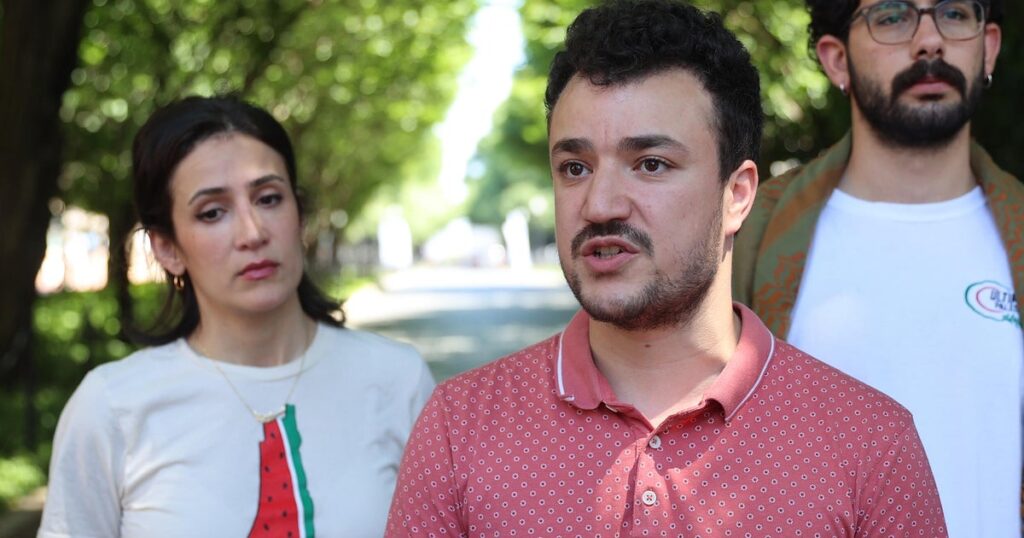
The Trump administration has submitted a memorandum to a Louisiana immigration court, citing national security concerns to justify the deportation of Mahmoud Khalil, a Columbia University student involved in protests against U.S. foreign policy. The legal argument is based on a provision in the Immigration and Nationality Act of 1952, which allows for the deportation of noncitizens deemed detrimental to national foreign policy interests. The case has garnered attention due to its unusual legal basis and potential implications for student activists and noncitizens engaged in political protests, possibly setting a precedent for future cases at the intersection of immigration law and national security.