Key takeaways:
- Kuwait said falling debris injured four people; the two Italian technicians later died.
- Iran denied responsibility for the incident, while Italian and Kuwaiti officials blamed an Iranian drone attack.
- Kpler said weekly Strait of Hormuz ship transits fell from 217 to 147 between Nov. 1 and Nov. 23.
Two Italian technicians died Thursday after drones were intercepted over Kuwait, prompting accusations against Iran that Tehran denied as threats to shipping in the Strait of Hormuz continued.
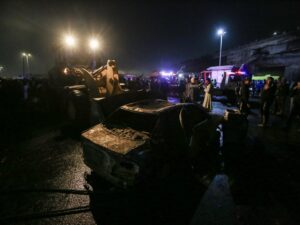
Kuwait’s Defence Ministry said its forces intercepted several Iranian drones targeting what it called a “vital site.” Falling debris injured four people — two Italians, a Kuwaiti and a Pakistani national — and caused unspecified damage, the ministry said. It later announced that the two Italians had died of their injuries.
Italian Foreign Minister Antonio Tajani told the Italian Senate that drones struck Kuwaiti military installations at about 2 p.m. local time, including the facility where the technicians worked. “There was a powerful explosion and, unfortunately, according to the information reaching us from Kuwait, both of our fellow citizens have died,” he said, according to the Italian news agency ANSA, as reported by CBS News.
Italy’s Foreign Ministry said the technicians worked for Rheinmetall Italia. Tajani identified their workplace as an air-defence surveillance station, Al Jazeera reported. Kuwait described the injuries as resulting from falling debris during the interception, while Italian officials described the incident as a drone attack.
Iran rejected the accusation. Its embassy in Rome said it “categorically rejects the allegation that Iran was behind today’s purported drone attack on a military facility in Kuwait.” Iranian military spokesperson Sardar Shekarchi said Iran had conducted no offensive or military operations in the region and accused Israel and the United States of using false flags, according to Al Jazeera. Iran’s ambassador to Italy, Ali Akbar Rezaei, offered condolences to the victims’ families.
Italian Prime Minister Giorgia Meloni also expressed condolences. European Commission President Ursula von der Leyen said the deaths showed that “security in the Gulf is a matter of security for us all,” and called for greater pressure on Iran to end attacks on its neighbours and Gulf partners. Gulf Cooperation Council Secretary-General Jasem Mohamed Albudaiwi condemned the incident, calling attacks on Kuwait’s vital facilities a dangerous escalation, Al Jazeera reported.
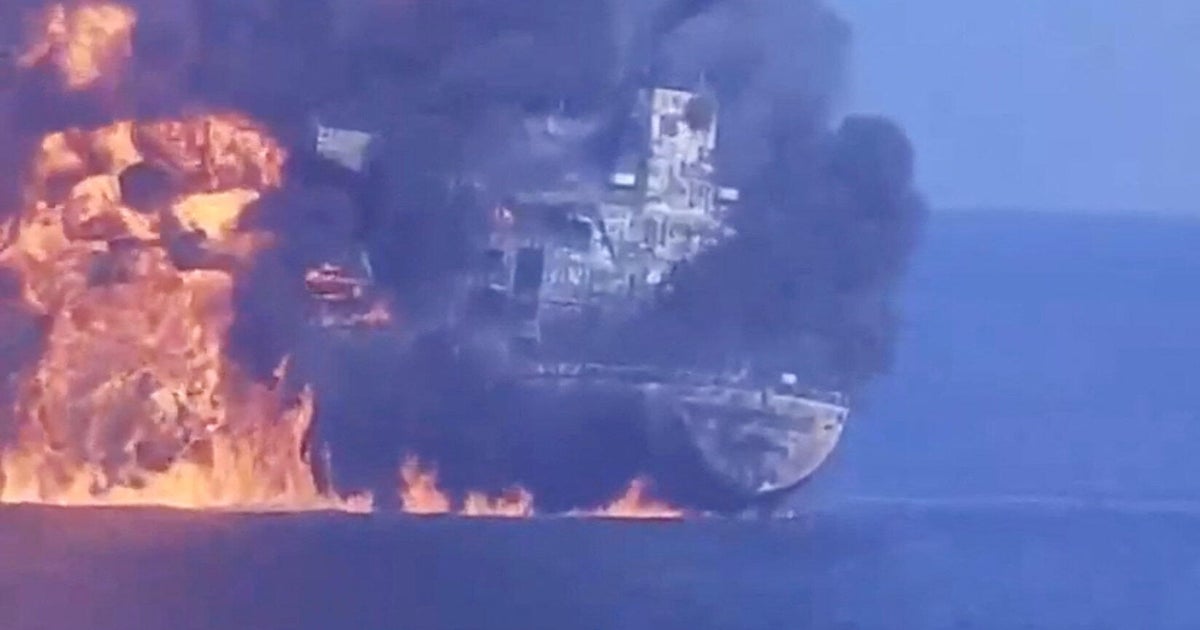
The deaths came as traffic through the Strait of Hormuz remained well below pre-war levels. Shipping intelligence firm Kpler said weekly ship transits fell from 217 to 147 between Nov. 1 and Nov. 23. Tanker crossings averaged 11 a day in the week ending Nov. 21, compared with 50 a day before the war. Kpler cautioned that some vessels travel with their tracking systems switched off. The volume of crude oil and other products shipped out of the Persian Gulf stood at just over half its pre-war level.
Iran’s Islamic Revolutionary Guard Corps claimed Thursday that two tankers caught fire after hitting mines in southern shipping lanes near Oman. Independent maritime agencies had not immediately corroborated the claim, CBS News reported. Iran says vessels must use northern routes with its military’s authorization; the U.S. military says the strait remains open and safe for transit.
The International Maritime Organization has recorded 141 attacks on commercial ships in and around the strait since the war began in February, including at least 15 in November. The conflict began with U.S.-Israeli strikes on Iran in late February, Al Jazeera reported.





Be First to Comment