Key takeaways:
- The Nasdaq fell 5.5% Thursday, while the S&P 500 lost 4.4%, erasing $2.8 trillion in market value, according to NBC News.
- South Korea temporarily halted Kospi trading after the index fell more than 8%; Japan’s Nikkei dropped as much as 6%.
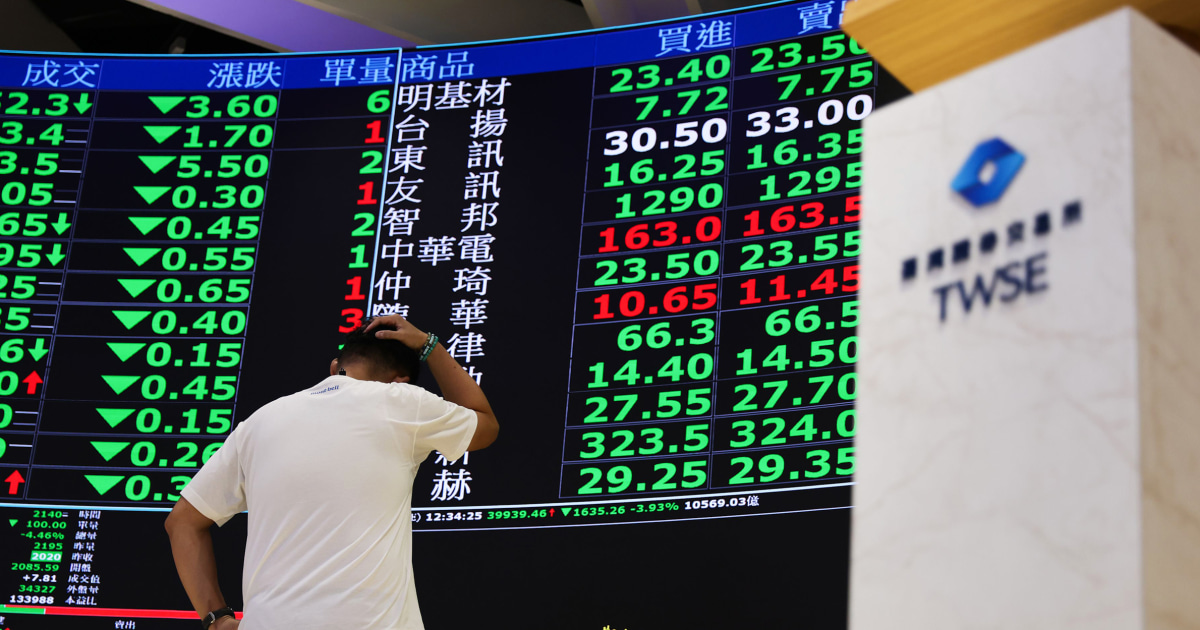
- Taiwan’s benchmark index closed 4.5% lower Friday and lost 12.2% for the week, according to Al Jazeera.
A sharp sell-off in technology stocks swept through Asian markets Friday and reached Europe, as investors weighed whether the Democrats’ U.S. midterm election victory could slow data center construction and bring tighter scrutiny of artificial intelligence.
The rout began on Wall Street on Thursday, when the tech-heavy Nasdaq fell 5.5%, its worst day in 19 months, according to The Guardian. The S&P 500 lost 4.4%, wiping $2.8 trillion from its market value, NBC News reported. Wall Street’s Vix volatility index jumped 61%, The Guardian reported.
The selling accelerated when Asian markets opened. South Korea’s Kospi fell more than 8%, prompting a temporary market-wide trading halt, while Japan’s Nikkei 225 dropped as much as 6%. Taiwan’s benchmark index plunged more than 8% before recovering to close 4.5% lower, according to Al Jazeera. The outlet reported that Taiwan’s index lost 12.2% for the week, its biggest weekly decline since 1991, citing LSEG data.
Major chip and technology companies took heavy hits. South Korean memory suppliers Samsung Electronics and SK Hynix fell more than 10% early in the session before trimming their losses, NBC News reported. Al Jazeera said they were down nearly 6% and 9.4%, respectively, later in the day. Taiwan’s TSMC fell as much as 8.5% before closing down 4.7%, while Japan’s Kioxia and SoftBank Group each slid 11%, according to Al Jazeera.
European shares opened lower. London’s FTSE 100 fell about 1.5%, while Germany’s Dax dropped 1.5% and France’s Cac 40 lost 1.2%, The Guardian reported. U.S. stock futures were mixed early Friday, according to NBC News.
Investors are assessing the prospect of a Democratic Congress and newly elected politicians opposed to AI development and data centers, NBC News reported. They include Texas Gov.-elect Gina Hinojosa; Texas is the country’s largest data center market, the outlet said. Greater scrutiny of AI infrastructure projects could bring delays and higher costs, compounding existing concerns about returns on large investments.
“Markets are being punished according to their dependence on the U.S. AI infrastructure cycle,” Charu Chanana, chief investment strategist at Saxo Markets, told NBC News. Susannah Streeter, chief investment strategist at Wealth Club, said worries about a slower data center build-out were arriving just as investors had become “super nervous about returns on this massive investment.”
Authorities took steps to steady trading. South Korea temporarily halted Kospi trading and eased rules on leveraged investments by retail investors, Al Jazeera reported. In China, state entities bought equities to stabilize the market, according to the outlet. Taiwan’s economy ministry said it expected demand for AI, high-performance computing and cloud services to continue expanding.
Despite the global losses, major indexes remain higher for the year. The Nasdaq Composite was up 4.6% since January, and the FTSE 100 had gained almost 6.9% in 2026, The Guardian reported.











Be First to Comment