Key takeaways:
- Roy Cooper defeated Michael Whatley for the Senate seat held by retiring Republican Thom Tillis.
- Cooper is the first Democrat elected to the U.S. Senate from North Carolina since 2008.
- Cooper campaigned on affordability, while Whatley focused on crime, immigration and Trump’s agenda.
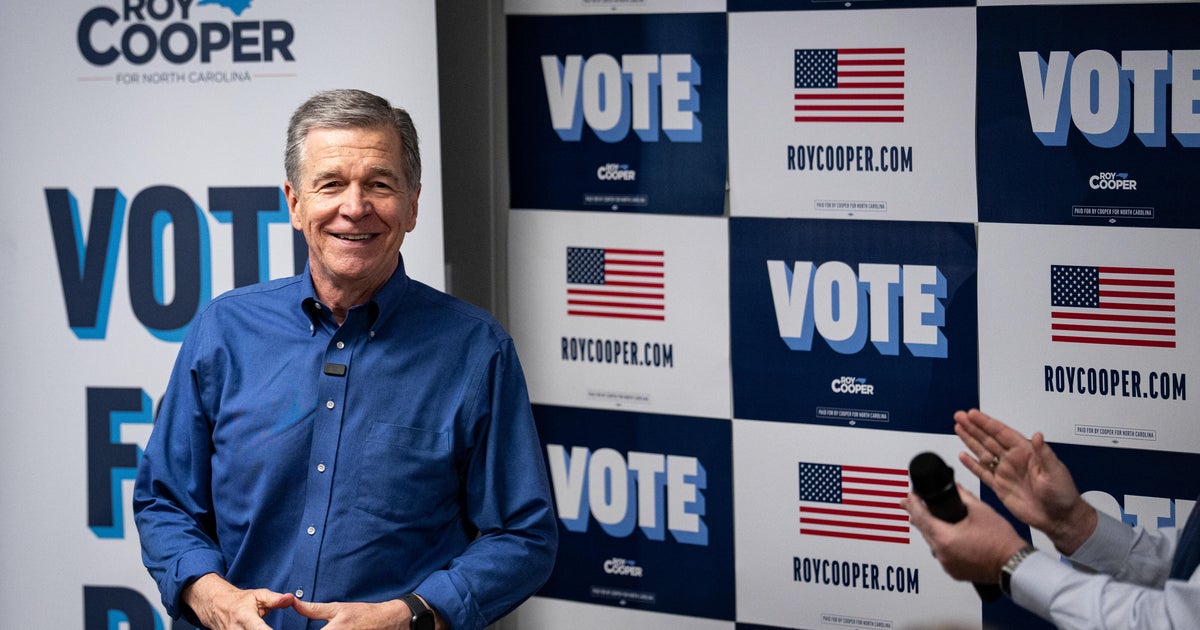
Democrat Roy Cooper has won North Carolina’s open U.S. Senate seat, defeating Republican Michael Whatley and flipping a seat held by the GOP. The Associated Press called the race for Cooper, NPR reported, and CBS News projected his victory.
Cooper, a former two-term governor, becomes the first Democrat elected to the Senate from North Carolina since 2008. He will succeed Republican Sen. Thom Tillis, who chose not to seek reelection. The result gives Democrats a key gain as they try to win control of the Senate; CBS News reported that the party needs to flip four seats while defending several others.
Cooper, 69, made the cost of living the centerpiece of his campaign. He promoted stops across the state as part of a “Make Stuff Cost Less” tour, according to NPR. Whatley, 57, campaigned on advancing President Donald Trump’s agenda and conservative priorities, while focusing on crime and immigration. He criticized Cooper over a COVID-era legal settlement that released inmates from state prisons to address overcrowding during the pandemic, NPR reported.
The contest paired a veteran statewide candidate with a first-time contender. Cooper served as governor from 2017 to 2024 and was North Carolina’s longest-serving state attorney general. Whatley, a former Republican National Committee chairman backed by Trump, had never run for elected office. He previously worked in former President George W. Bush’s administration, served as chief of staff to former North Carolina Sen. Elizabeth Dole and chaired the state Republican Party, according to CBS News.
The race was expected to be competitive in a state Trump won by three points in 2024. CBS News described Cooper’s candidacy as Democrats’ best opportunity to capture a Republican-held Senate seat in the midterm elections. NPR reported that Cooper and national Democratic groups significantly outspent Whatley and Republicans, and that national GOP organizations withdrew television ads from North Carolina weeks before the election to direct money to other battlegrounds, including Kansas.
Whatley did not lead in polling, and Cooper’s lead widened during the campaign, according to NPR. Trump and Vice President JD Vance nevertheless held multiple rallies in North Carolina during the final weeks. NPR reported that polls showed the economy, rather than crime, was voters’ top concern in the state.
Patrick Sebastian, a Republican strategist who did not work on Whatley’s campaign, told NPR that Whatley should have put more emphasis on the economy. “Really it’s the economy is Issue A and then Issue B is probably government corruption, that people are following the most,” he said. “So when we’re not talking about those issues, it’s going to be hard to connect with people that go to Walmart for their groceries and can only get 80% of what they used to buy because the prices have gone up.”
Tillis announced in 2025 that he would retire after Trump threatened to back a primary challenger over Tillis’ opposition to the president’s tax and spending bill, NPR reported.


Be First to Comment