Key takeaways:
- Trump says the United States will stop sending Israel roughly $4 billion a year after 2026 but will help if needed.
- The existing agreement provides $3.8 billion in annual U.S. military aid and is approaching expiration in 2028.
- A Netanyahu spokesman said he did not know about Trump’s remarks; Israeli opposition leader Yair Golan criticized the proposed halt.
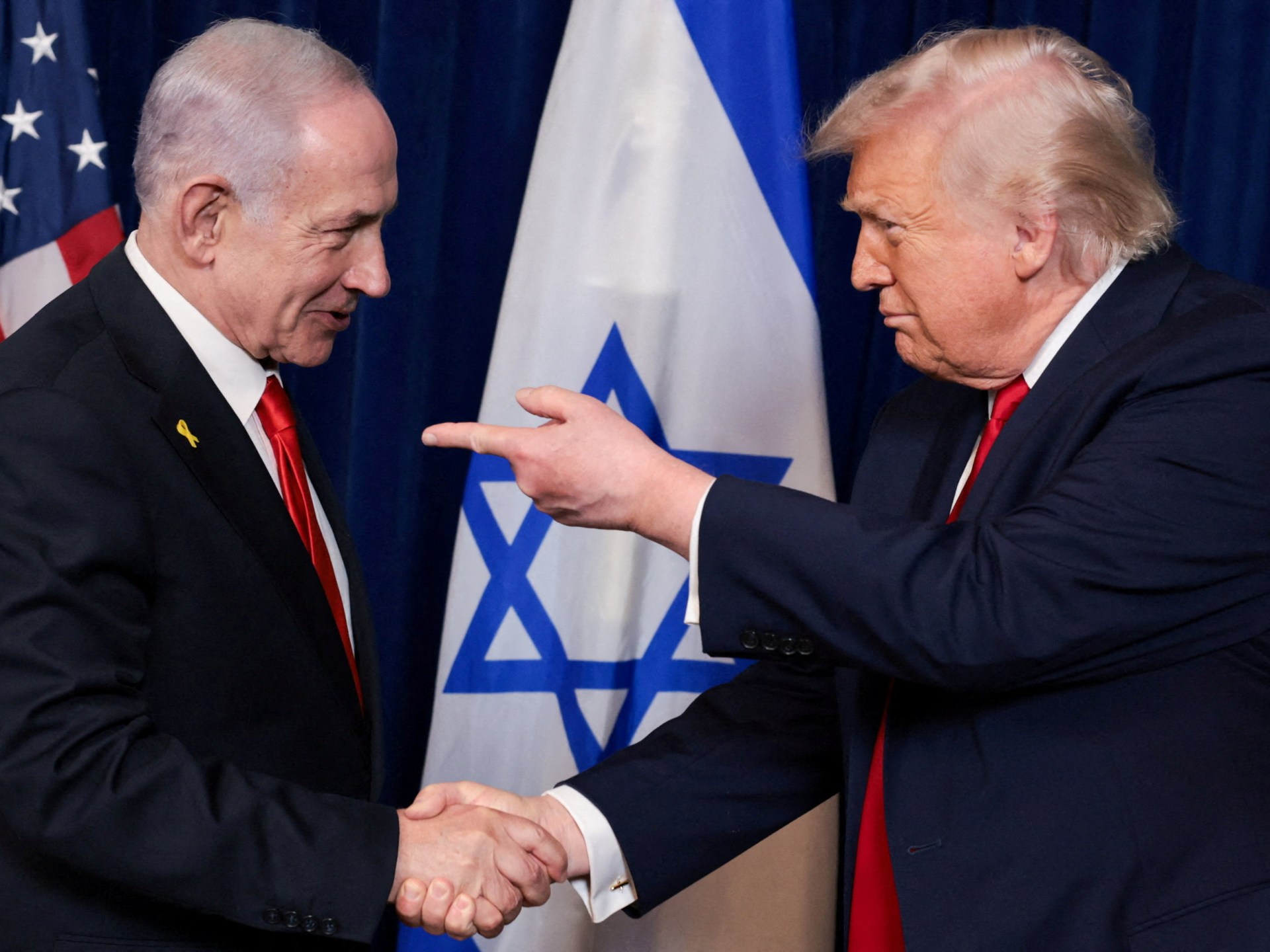
President Donald Trump said Tuesday that the United States will stop sending Israel roughly $4 billion a year in aid at the end of 2026, describing the move as a deal he reached months ago with Israeli Prime Minister Benjamin Netanyahu. Trump did not specify which funding would end, and there was no immediate confirmation from Israel.
“Bibi Netanyahu and I have made a deal that we give Israel $4 billion a year, and we made a deal months ago that we’re stopping,” Trump said in a Fox and Friends interview as Americans voted in the midterm elections. “Now we’ll help Israel if they need it.”
Trump said Israel was “fine with it” because it had become a successful country and “they don’t need it.” He also said Netanyahu had raised the idea. “He brought it up,” Trump said, recounting Netanyahu as saying, “I think it would be appropriate if we do not receive aid.”
A spokesman for Netanyahu told NBC News he did not know about Trump’s remarks and would check for details. The U.S. State Department did not immediately respond to a request for comment from Al Jazeera.
The scope of the announcement remains unclear. A U.S.-Israel memorandum of understanding providing $3.8 billion in annual American military aid is approaching its expiration in 2028, and discussions have been underway about assistance after that date. Netanyahu said in January that he hoped to “taper off” American military aid over the next decade, NBC News reported.
The announcement came amid a contentious midterm campaign in which U.S. aid to Israel and Israel’s war in Gaza have drawn criticism. Trump appeared to acknowledge the political pressure, saying opponents use the annual payment as “a signal of unfairness.” He called it “almost too easy a target” and singled out Abdul El-Sayed, the Democratic Senate nominee in Michigan, who has criticized Israel and U.S. foreign policy.
In July, the House voted 314-104 against an amendment to a State Department spending bill that would have cut off aid to Israel. Nearly half of House Democrats supported the measure, which was offered by Republican Representative Thomas Massie of Kentucky, according to Al Jazeera.
The United States sent Israel $21.7 billion in military aid in the two years after the Hamas-led attack on Israel on Oct. 7, 2023, and Israel’s subsequent assault on Gaza, according to a paper by Quincy Institute researcher William D. Hartung cited by NBC News.
Brent crude fell more than 3% to around $101 a barrel, its lowest level in more than three weeks, after Trump’s comments. NBC News reported that traders viewed them as a possible sign the war against Iran could end without escalation. The decline followed a sharp drop Monday after Trump told NBC News he did not plan to attack Iran after the midterms.
In Israel, Yair Golan, head of the left-wing Democrats party, condemned the proposed halt. “The cessation of American aid deals a severe blow to Israel’s security and the quality of life in the country,” he said. Former Republican congresswoman Marjorie Taylor Greene also criticized the timing, writing on X that ending the aid “isn’t going to change today’s election results.”











Be First to Comment