Key takeaways:
- Workers are demanding a minimum monthly wage of 30,000 taka, more than double the current minimum reported by Al Jazeera.
- The garment exporters’ association reported disruptions at 529 factories Sunday; around 670 factories suspended operations Monday, the BBC reported.
- The government has formed a six-member wage board, while workers’ representatives have urged protesters to return to work.
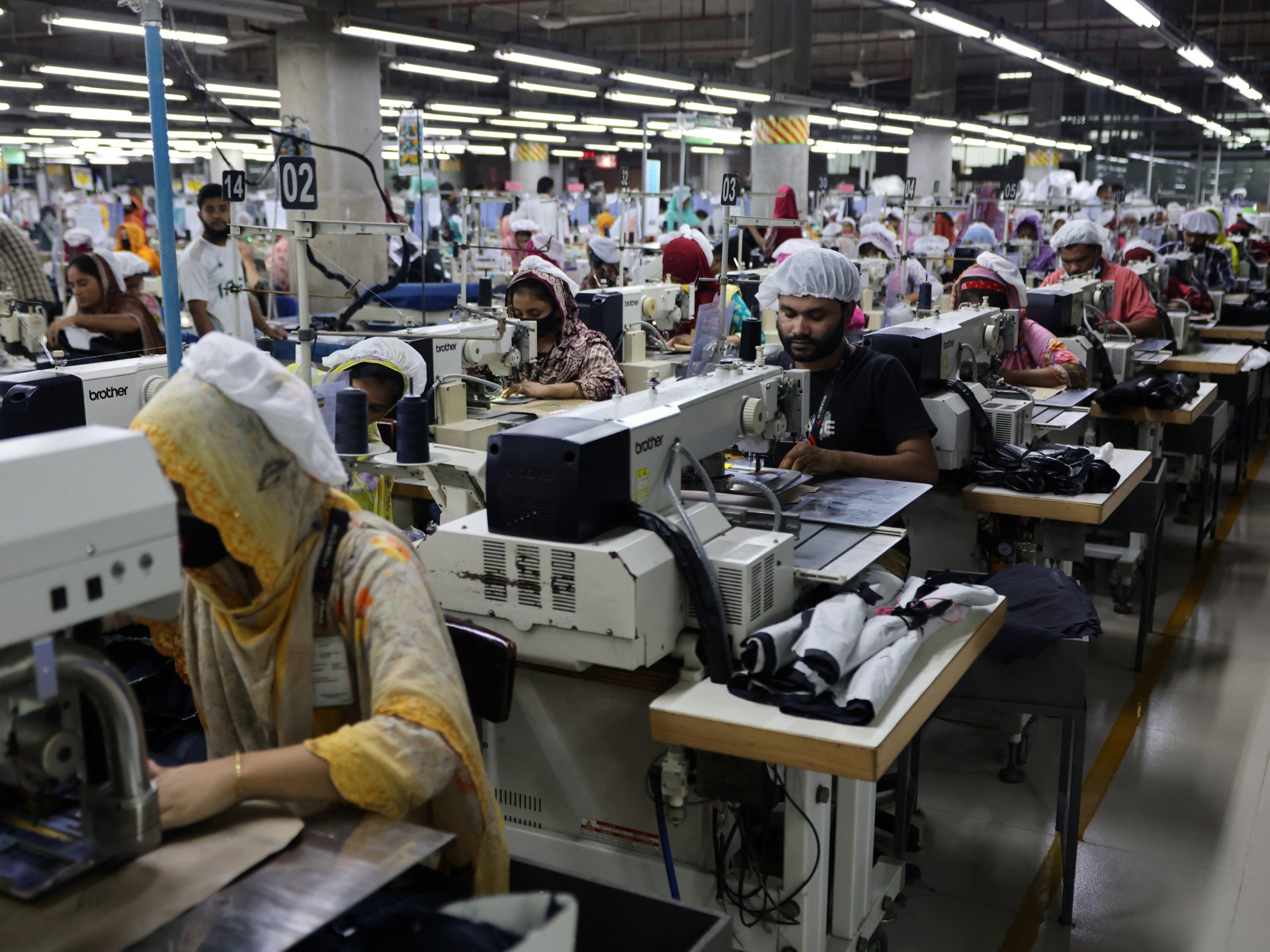
Garment workers demanding higher pay protested across Bangladesh’s manufacturing hubs for a third straight day on Monday, as around 670 factories suspended operations, the BBC reported, citing Reuters and AFP. The government has formed a wage board, but workers say their pay no longer covers basic needs.
Workers want a minimum monthly wage of 30,000 taka, about $242. That is more than double the current minimum of 12,500 taka reported by Al Jazeera. The BBC said garment workers typically take home around 13,000 taka a month.
The Bangladesh Garment Manufacturers and Exporters Association said demonstrations disrupted operations at 529 factories on Sunday and affected nearly a million workers, according to Al Jazeera. The BBC reported that hundreds of factories were expected to remain shut on Tuesday.
Workers began striking and taking to the streets on Saturday, Al Jazeera reported. On Sunday, protesters blocked roads, damaged factories and set vehicles alight, while police used tear gas to disperse crowds. Al Jazeera reported that police also fired stun grenades at protesters in the Ashulia industrial area outside Dhaka.
Protests continued Monday in Dhaka and nearby manufacturing areas. Workers blocked the Dhaka-Tangail highway in Gazipur, and clashes with police were reported in Dhaka’s Mirpur district, according to Al Jazeera. Dhaka police Deputy Commissioner Mohidul Islam said at least 29 protesters had been arrested as of Monday.
Bangladesh’s garment industry employs about four million people. Laili Begum, a sewing operator near Dhaka, told Al Jazeera she earns about 15,000 taka a month, rising to 18,000–20,000 with overtime. Her two children dropped out of school because she could not afford their education, Al Jazeera reported.
“We can barely afford one proper meal a day,” Begum said. Another worker, Mamun, told AFP: “The government must either bring down the prices of essential commodities or raise our wages.” Official figures cited by Al Jazeera put annual inflation at 8.34% in September. The last garment-sector minimum-wage revision was in December 2023.
The government announced a six-member wage board on Sunday, and Prime Minister Tarique Rahman held an emergency meeting with officials. Home Minister Salahuddin Ahmed met factory owners Monday and assured them a new minimum would be negotiated, according to Al Jazeera. Labour Minister Ariful Haque Choudhury urged workers to return to their jobs, saying the board would begin deliberations soon.
Workers’ representative Babul Akhter also appealed for a return to work, promising to “fight for [their] fair wages”. Al Jazeera reported that he wants the new rate to take effect with January 2027 salaries and has called for arrested workers to be freed and cases against them withdrawn.
The BBC reported that authorities accused the banned Awami League of exploiting the protests to incite violence, without providing evidence. Ahmed warned of action against people trying to “destabilise the country” under the guise of labour protests.
Bangladesh is the world’s second-largest garment exporter after China. The industry brings in nearly $40 billion a year, according to the BBC. Industry representative Sheikh Hossain Muhammad Mustafiz told Al Jazeera that workers deserve decent wages, but warned that major increases without better prices from international buyers could put pressure on factories and jobs.


Be First to Comment