Key takeaways:
- Paris and Lyon renewed targeted curfews after reporting no major overnight disturbances; Marseille imposed a curfew for unaccompanied minors.
- More than 2,500 people had been taken into police custody by Monday evening, Justice Minister Gérald Darmanin said.
- The government has announced more than 3,000 substitute teachers, while public debt stood near 3.6 trillion euros at the end of June.
France extended curfews in Paris and other cities Tuesday and promised a “massive” police deployment for the next round of protests, after a weekend of rioting left buildings burned, businesses looted and thousands of people in police custody.
Paris police said overnight restrictions around Place de la République and the Les Halles shopping district had restored “public peace” and would remain in place “for as long as necessary.” Lyon renewed a city-center curfew from 9 p.m. to 6 a.m. after a night without disturbances, while Marseille imposed a curfew for unaccompanied minors starting Tuesday night, NPR reported.
Prime Minister Sébastien Lecornu said the targeted curfews had “helped keep last night calm.” He told lawmakers that the police deployment for the next protests, planned for Saturday, Oct. 24, would be “massive,” without providing figures. Interior Minister Laurent Nuñez said soldiers assigned to guard sensitive sites would free more police officers and gendarmes for crowd control, according to NPR. CBS News reported that Nuñez had acknowledged authorities underestimated the unrest and lost control in some cities on Saturday.
The demonstrations began in mid-September with high school students and teachers in Paris suburbs demanding relief from overcrowded classrooms, deteriorating buildings and teacher shortages, according to CBS News. Trade unions and Yellow Vest activists later joined a broader movement over living costs and declining public services. Student unions and Yellow Vest groups have called for another day of protests Saturday, NPR reported.
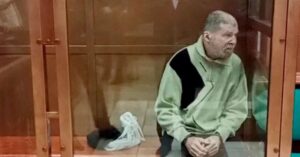
Saturday’s violence included an arson attack on the historic town hall in Limoges. Police arrested a suspect Tuesday who may not have acted alone, Justice Minister Gérald Darmanin said, according to NPR. Darmanin declined to comment on French media reports about the suspect’s background but said far-left groups appeared to have organized attacks on symbols of the state.
In a Sunday address, President Emmanuel Macron distinguished peaceful protesters from rioters he said had hijacked their demonstrations. He promised to listen to demands for better schools and working conditions while punishing those responsible for violence. Blaming “radical far-left groups” and “criminals,” he said, “those who sought to bring down the republic will be held accountable.”
Darmanin said more than 2,500 people had been taken into police custody by Monday evening, CBS News reported. NPR cited the Justice Ministry as saying roughly 2,400 people had been arrested since Saturday, more than 800 had been sent before prosecutors and 149 were jailed nationwide by Tuesday noon. Darmanin said prosecutors should appeal sentences they considered too lenient and promised an “extremely firm” judicial response.
The National Assembly will investigate the Oct. 17 violence and the policing strategy, with findings expected by year’s end, NPR reported. Smaller demonstrations continued Tuesday in Rennes and Lyon.
The government has announced more than 3,000 substitute teachers for high schools most in need and authorized several hundred additional hires, CBS News reported. But further spending faces constraints: France’s public debt stood near 3.6 trillion euros at the end of June, or 119% of annual economic output. The government expects a deficit of 5.4% of economic output this year, and Macron’s allies lack a parliamentary majority.
France is due to elect a president in April. Macron cannot seek a third term.




Be First to Comment