Key takeaways:
- The 5th Circuit backed a challenge to the home-distilling ban, while the 6th Circuit upheld it in a separate case.
- The 1868 federal law carries penalties of up to five years in prison and a fine that NBC News reported can reach $10,000.
- Even if the challengers win, home distillers would still have to register their stills and pay excise taxes.
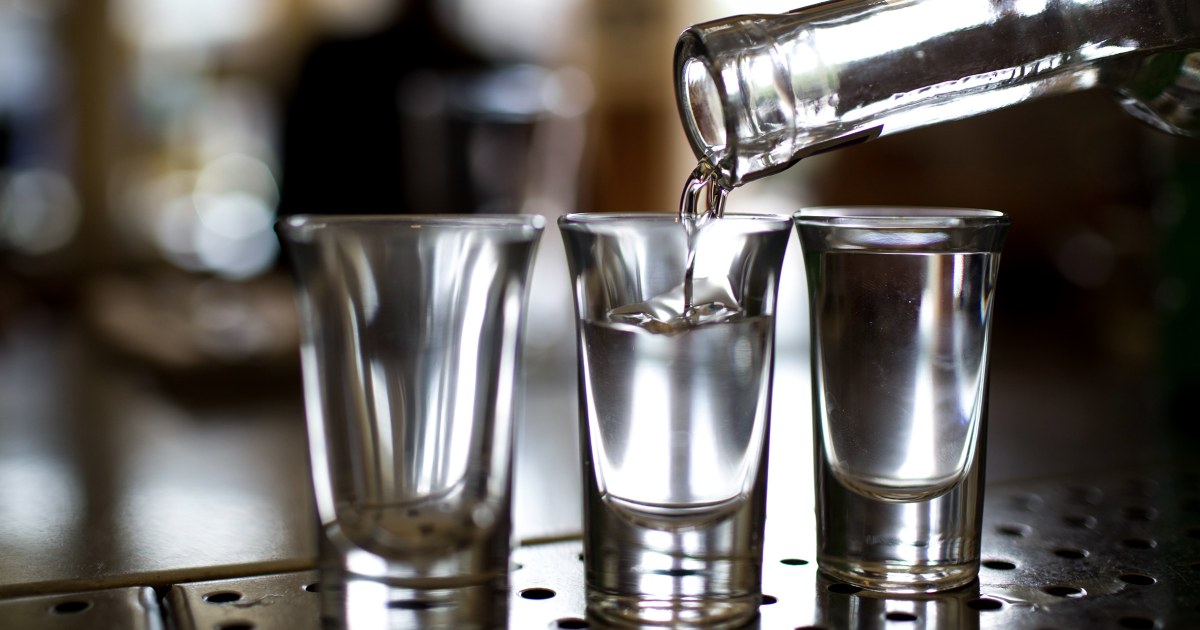
The Supreme Court agreed Monday to decide whether a federal ban on distilling liquor at home exceeds Congress’ constitutional authority, taking up a dispute over a law enacted in 1868 to combat tax evasion.
The case could settle conflicting rulings by two federal appeals courts. The 5th U.S. Circuit Court of Appeals backed a challenge to the ban brought in Texas, while the 6th Circuit upheld it in a separate case brought in Ohio. Arguments will likely take place next year, with a decision expected by late June or early July, CBS News reported.
Federal law bars producing distilled spirits for personal use at home and prohibits the use or possession of distilling equipment in “any dwelling house” or associated structures, including sheds and yards. Violators face fines and up to five years in prison; NBC News reported that the fine can reach $10,000. CBS News reported that a violator’s home and property inside it are also subject to forfeiture.
Congress imposed the restrictions after finding widespread tax evasion by commercial distillers. According to a House report from 1867 cited by CBS News, the spirits tax was then $2 per gallon — more than the liquor’s market price — and lawmakers estimated that at least seven-eighths of spirits went untaxed. The legislation cut the tax rate and required payment before spirits left warehouses. It provided no exception for liquor distilled for personal or family use.
The Texas challengers include the Hobby Distillers Association and its members. One, Scott McNutt, has a still at home that he has used to make fuel alcohol, NBC News reported. Another, Rick Morris, owns a company that manufactures stills suitable for home use. They sued after the federal Alcohol and Tobacco Tax and Trade Bureau told them the ban prevented them from obtaining a license to distill at home. In Ohio, would-be home distiller John Ream brought a separate challenge raising similar claims.
The challengers argue that Congress exceeded its taxing power by outlawing activity rather than collecting revenue from it. A federal district court sided with the Texas plaintiffs, and the 5th Circuit upheld most of that ruling. The appeals court said the restrictions were not “plainly adapted” to support the taxing power because barring production also prevents the government from taxing it. Upholding the ban, the court said, could let Congress “criminalize nearly any at-home conduct only because it has the possibility of concealing taxable activity.”
Solicitor General D. John Sauer called that decision “erroneous.” In court papers, he argued that a home still is easier to conceal or shield from inspection, allowing a distiller to evade taxes. Lawyers for the challengers said the government’s position would leave “no limit to the government’s claim of power to criminalize local conduct that might conceal taxable activity.” Both sides asked the Supreme Court to resolve the dispute.
People may make wine and beer at home for personal use without penalties, NBC News reported. It also reported that some states, including West Virginia, allow home distilling, though state laws do not override the federal ban. If the challengers prevail, home distillers would still have to register their stills and pay excise taxes on the spirits they make.








Be First to Comment