Key takeaways:
- Serhii K. is the first suspect to stand trial over the September 2022 blasts that ruptured three of four Nord Stream pipelines.
- German prosecutors allege a group operating from a rented sailboat planted explosives near Bornholm; the defendant and Ukraine deny involvement.
- A second Ukrainian suspect is fighting extradition from Croatia after a Polish court rejected an earlier German request.
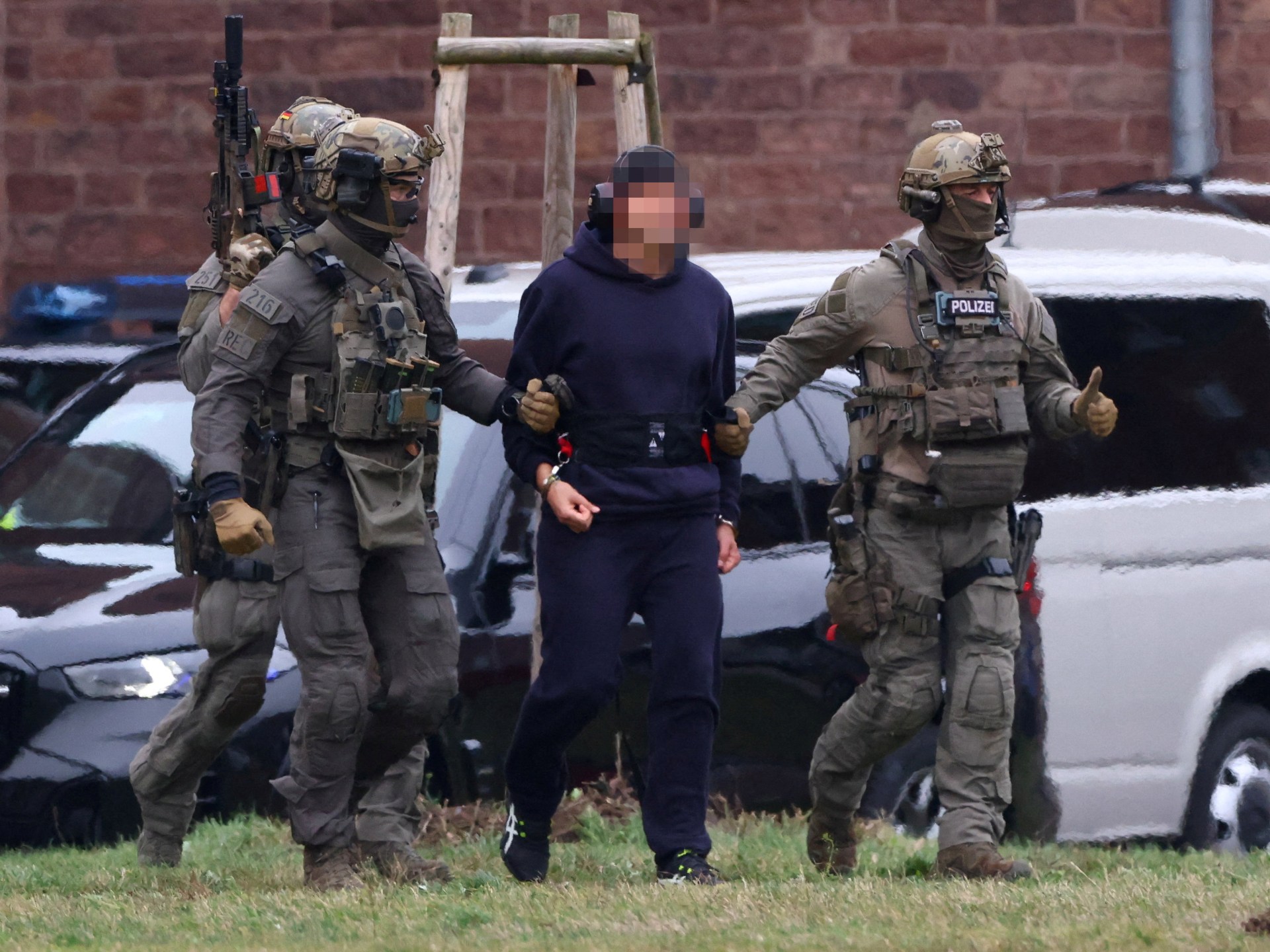
A Ukrainian former military officer went on trial in Hamburg on Wednesday, accused of leading the operation that blew up three of the four Nord Stream gas pipelines in the Baltic Sea in 2022. He is the first suspect to face trial over the blasts, which damaged infrastructure built to carry Russian gas to Germany.
The defendant, identified under German privacy rules as Serhii K., denies involvement. Prosecutors allege that he worked with other Ukrainian military personnel, including divers and an explosives expert, to attack the pipelines near the Danish island of Bornholm on Sept. 26, 2022. He is the only person currently on trial. The proceedings at the Hamburg Higher Regional Court are expected to run into February 2027, Al Jazeera reported.
According to prosecutors, the group rented a sailboat called the Andromeda in the northern German port of Rostock and used it to reach the pipelines. Investigators later found “traces of subsea explosives” in samples taken from the boat, the BBC reported. Al Jazeera said prosecutors allege that Serhii K. travelled through Poland to Germany on a forged Ukrainian passport about three weeks before the attack, and that the group attached military-grade explosives with timers to the seabed pipelines.
Swedish seismologists detected several blasts, some 17 hours apart, on the day of the attack, according to Al Jazeera. Three concrete-coated steel pipelines ruptured, releasing large plumes of methane. Russia had already stopped gas flows through Nord Stream 1, while Nord Stream 2 had never opened after Berlin froze its approval shortly before Russia’s full-scale invasion of Ukraine in February 2022.
German prosecutors allege the group acted on orders from Ukrainian state agencies and say an attack by military means on civilian infrastructure would constitute a war crime. Ukrainian President Volodymyr Zelensky has said Ukraine had “nothing to do with” the blasts. Ukrainian lawmaker Oleksandr Merezhko told the BBC that Kyiv had no confirmation of the German account: “It’s one of the versions.”
Early suspicion in the West fell on Moscow, though Western governments did not directly assign blame. Russian President Vladimir Putin accused the United States and its British allies, who denied involvement. Russia also denied attacking its own pipelines and said Monday that it expected a “just verdict” identifying both the perpetrators and those who ordered the operation, Al Jazeera reported.
Serhii K., identified in court documents as Serhii Kuznetsov, was arrested in Italy in August 2025 and extradited to Germany that November. Another Ukrainian suspect, identified by the BBC as Volodymyr Zhuravlov, denies the charges and is fighting extradition from Croatia. A Polish court rejected an earlier German extradition request for him in October 2025; a Croatian court approved his transfer to Germany last month. It remains unclear when that transfer might take place or whether his case could become part of the Hamburg trial.
The prosecution presents a sensitive issue for Germany, one of Ukraine’s closest allies since Russia’s invasion. Merezhko said he did not believe the case would damage relations, telling the BBC that continued German support for Ukraine was “in the best national interests of Germany.”









Be First to Comment