Key takeaways:
- Opposition parties accuse election chief Gyanesh Kumar of overseeing voter-list changes that benefit the BJP; the Election Commission and BJP reject the allegation.
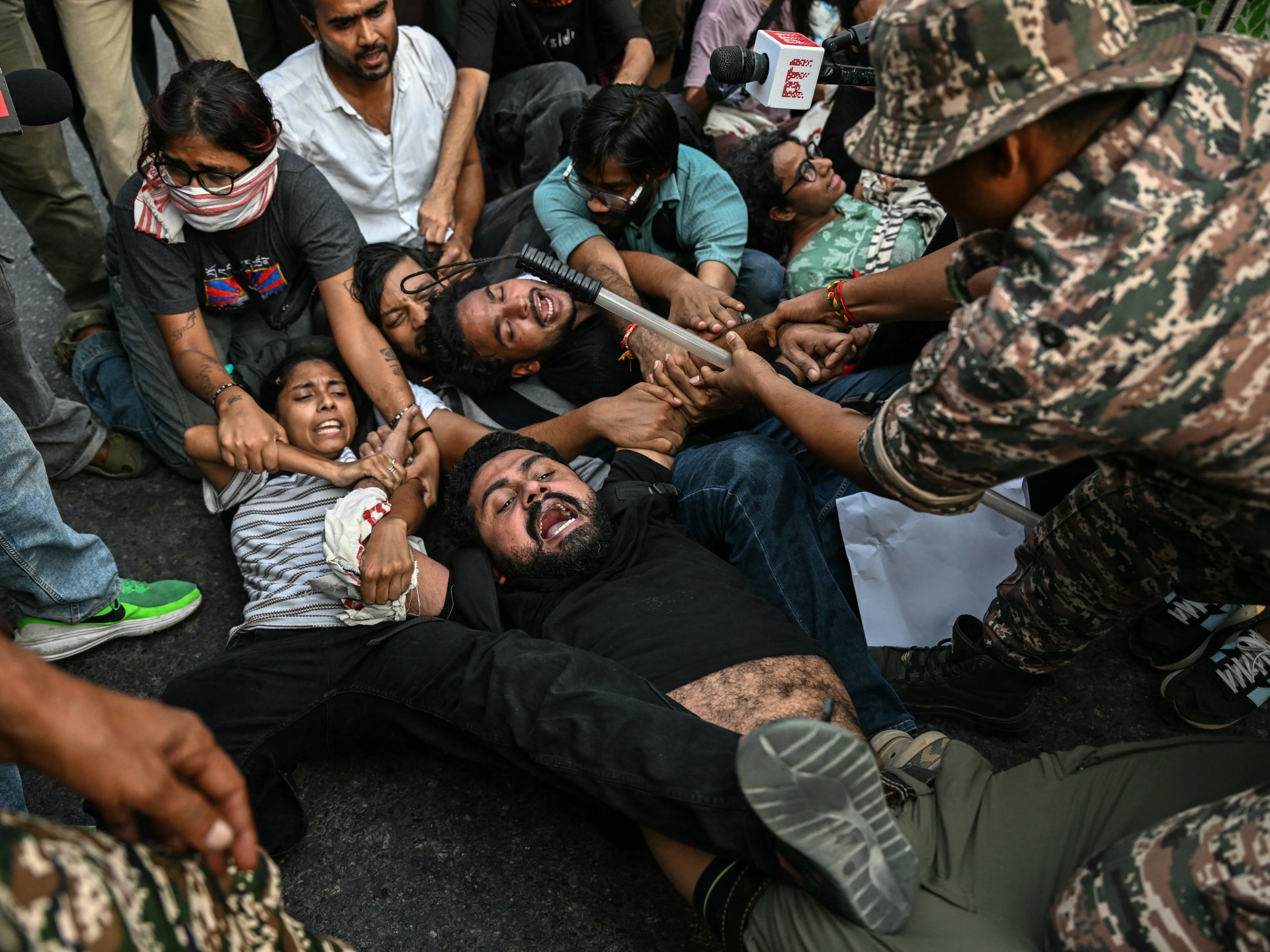
- Police detained and released thousands of people over the weekend; Reporters Without Borders said at least 16 journalists were detained.
- Authorities deployed thousands of security personnel and restricted roads and metro access ahead of Monday’s planned march.
India’s opposition parties plan to march to the Supreme Court in New Delhi on Monday to demand the resignation of the country’s election chief, as thousands of security personnel guard the capital after a weekend of mass detentions.
Opposition leaders accuse Chief Election Commissioner Gyanesh Kumar of overseeing changes to voter lists that benefit Prime Minister Narendra Modi’s Bharatiya Janata Party. The Election Commission and the BJP reject the allegation. The commission says the revisions are intended to remove duplicate, deceased and fraudulent entries.
The opposition wants to submit a memorandum to Chief Justice Surya Kant, the BBC reported. Kant told reporters he had declined a meeting for “certain reasons” but did not explain them. “Every Indian citizen has the right to approach the court, and we will hear their concerns and grant whatever is due under the law,” he said.
Congress leader Rahul Gandhi has called on opposition parties, civil society groups and others “who believe in democracy” to join the march. Authorities have erected metal barricades, restricted traffic and closed key metro stations along the route. Al Jazeera reported that thousands of police officers and other security personnel were deployed across central New Delhi on Monday for a third straight day.
The march follows nearly daily demonstrations this month by opposition parties and supporters of the youth-led Cockroach Janata Party, or CJP. Police detained and later released thousands of people over the weekend after stopping supporters from reaching a planned protest site. Several journalists were among those detained.
Reporters Without Borders said at least 16 journalists were detained while covering the protests. “Covering events of public interest is not a crime. It is their job. The police’s actions against the press are unacceptable,” the group said.
The BBC reported seeing video of a police officer slapping a detained protester inside a bus, and said other footage showed officers dragging protesters, including women, and pushing them into buses. Delhi Police did not respond to the BBC’s questions about the use of force. Communist Party of India (Marxist) lawmaker John Brittas alleged that police “manhandled, dragged, assaulted” him on Sunday, according to Al Jazeera. “This is not merely an assault on an MP. It is an assault on democratic freedoms and the rule of law,” he said.
The BBC reported that police detained CJP founder Abhijeet Dipke and co-convenors Saurav Das and Ashutosh Ranka from a plane when they arrived in Delhi for the weekend protest. They were released a day later. The group, which is not a registered political party, says it will continue protesting until Kumar resigns.
Al Jazeera said the voter-list revisions had removed more than 133 million names, citing media reports, and that critics say minorities, particularly Muslims, were disproportionately affected. BJP President Nitin Nabin, meanwhile, accused the opposition and CJP of trying to destabilise India “at the behest of foreign forces,” the BBC reported. He did not identify those forces.



Be First to Comment