Key takeaways:
- Ithaca’s council approved the permit moratorium 9-1; it takes effect immediately and is set to expire Nov. 5 unless renewed.
- The council called on Cornell to turn over investigations of violent sex crimes to Ithaca Police after questions arose about campus police handling of a former student’s allegations.
- Cornell said its Title IX investigation led to two expulsions and two suspensions; the attorney general is reviewing the criminal case.
Ithaca’s Common Council voted 9-1 Wednesday to stop issuing new event permits to Cornell University and affiliated groups while calling on the school to turn over investigations of violent sex crimes to city police. The action follows a former student’s allegation that she was drugged and gang-raped at a fraternity house in 2024 and growing scrutiny of how campus police handled her report.
The temporary moratorium takes effect immediately and covers new permits for assemblies, parades, special events and noise involving Cornell, its fraternities and sororities, student organizations and other university student affiliations. It is set to expire Nov. 5, though the council can renew it monthly.
Mayor Robert Cantelmo said the council acted “based on substantial concerns for the safety, health, and welfare” of Ithaca residents and visitors. The council amended the measure to call on Cornell to hand investigations of “violent sex crimes” to the Ithaca Police Department. Cantelmo said the city wants the university to do more to “punish, monitor transparently and prevent sexual violence on campus.” The council did not specify how its request for police involvement would be enforced, NBC News reported.
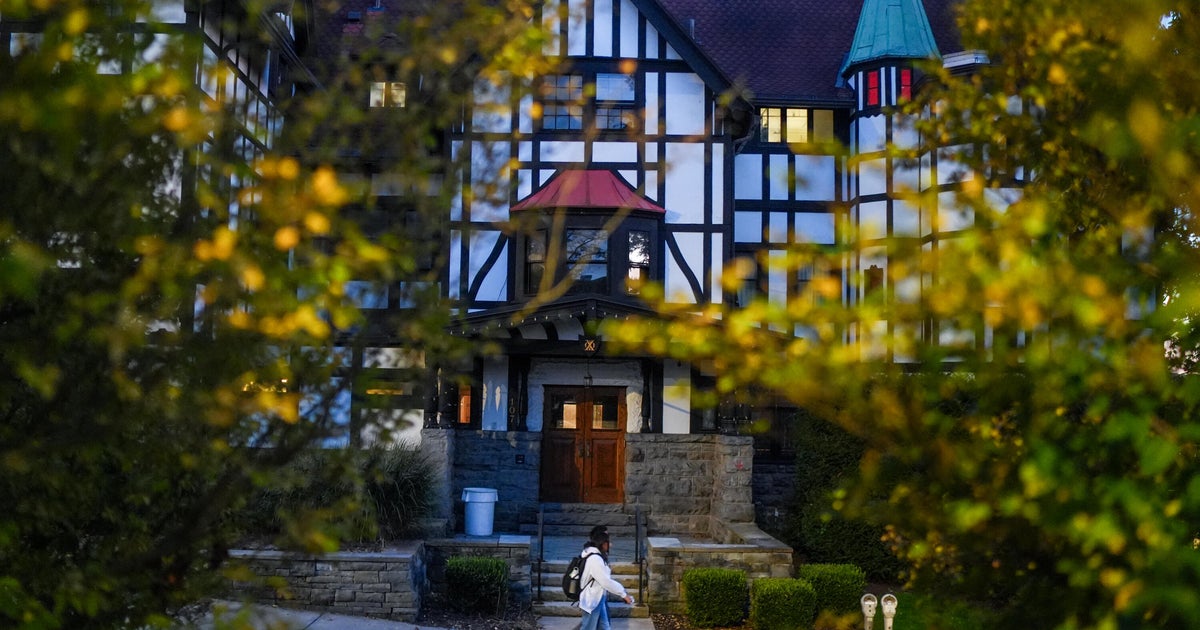
The former student, identified as Jane Doe in a civil lawsuit filed last month, alleges that seven fraternity brothers assaulted her at the Chi Phi house in October 2024, according to CBS News. She reported the alleged assault to Cornell University Police three weeks later. Campus police sent a summary of her account to the Tompkins County district attorney, who did not pursue charges; Ithaca Police say they were not informed of the case.
District Attorney Matthew Van Houten has said he relied on a six-page summary of Doe’s initial police interview. NBC News reported that he said the summary did not include her statement to campus investigators, “I can say with 100% confidence I was raped.” New York Gov. Kathy Hochul appointed Attorney General Letitia James as special prosecutor to review the case. Former acting U.S. Attorney General Sally Yates is leading a separate review of Cornell’s response and its handling of sexual misconduct more broadly, including campus police coordination with other authorities.
Cornell said its Title IX investigation resulted in two men being expelled and two suspended for at least two semesters. One had graduated before punishment could be imposed, and two were found not responsible for sexual misconduct. The university declined to comment on the council action, citing pending litigation, NBC News reported.
The allegations have prompted campus protests. More than 1,000 students, professors and Ithaca residents gathered Monday to demand change; more than 100 students held a seven-hour sit-in at a dining hall Wednesday. A Cornell survey conducted in 2025 found that more than one in three undergraduate women reported nonconsensual sexual contact involving force or incapacitation since entering the university. More than 49% of respondents reported harassment.
Students differ over the permit freeze. “Parties do not cause sexual violence,” graduate student Cecily Cox told CBS News, arguing that the measure could affect students unconnected to the case. Student Sam Poole said the city should maintain pressure on Cornell until it makes structural changes. Cantelmo said the moratorium is not intended to restrict religious expression, speech or peaceful assembly. A city official said events that do not require permits are unaffected and permits for free-speech or assembly events will not be denied under the measure.







Be First to Comment