Key takeaways:
- Vance called for Iran to reduce its enrichment capacity and stop producing highly enriched fuel; Trump previously demanded no enrichment.
- Rubio said the Strait of Hormuz was open, but Al Jazeera reported a tanker crew was injured there Tuesday.
- Iran’s late-September proposal linked an end to fighting and U.S. economic measures to reopening the strait and beginning nuclear talks; Trump rejected it.
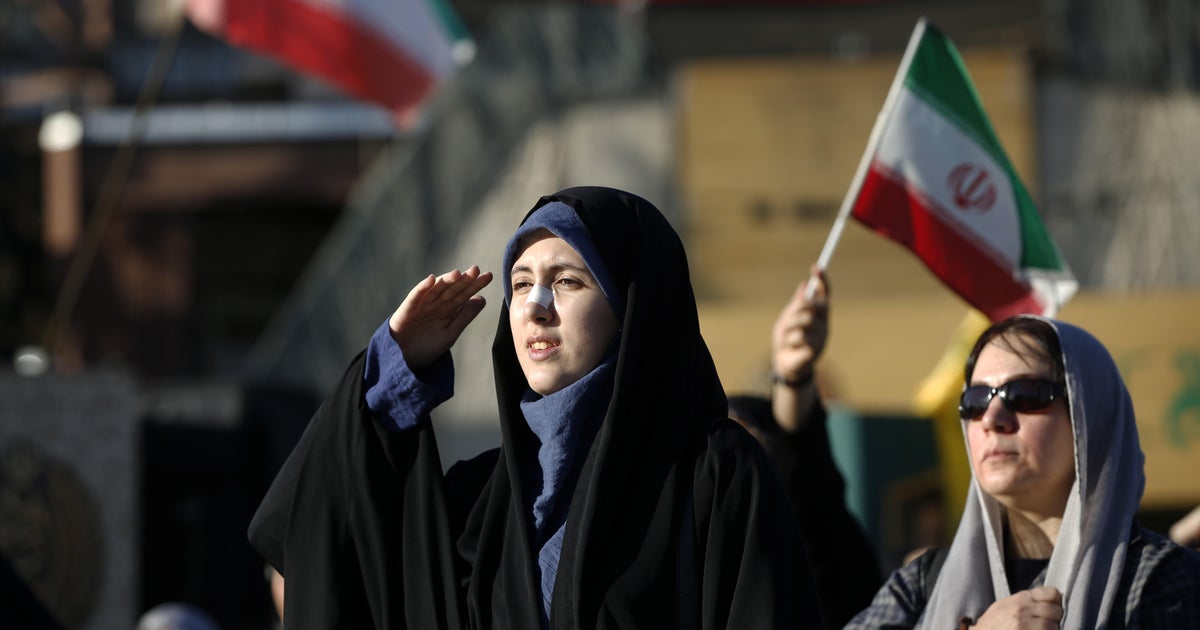
Vice President JD Vance says Iran must make a “meaningful” reduction in its uranium enrichment capacity to help end the war, language that leaves open the possibility of limited enrichment after President Donald Trump previously demanded none.
“The goal here is to prevent the Iranians from having a nuclear weapon,” Vance told Reuters in an interview published Tuesday. He questioned why Iran needed uranium enriched to 60%, saying, “If you want to show commitment to not building a nuclear weapon, don’t build highly enriched fuel.”
The shift in wording does not resolve a central dispute. The International Atomic Energy Agency has reported that Iran enriched uranium to 60%, below the roughly 90% considered weapons-grade, according to Al Jazeera. The agency’s May 2025 assessment found no credible indications of a structured nuclear programme, Al Jazeera reported.
In February, the day before the war began, Trump said of Iran: “I say, no enrichment.” In April, he told CBS News that Tehran had agreed to have its enriched uranium removed from the country. Vance said the United States was speaking with Iranian President Masoud Pezeshkian and Foreign Minister Abbas Araghchi, though he added that it was “not totally clear how their country makes decisions.”
Secretary of State Marco Rubio maintained Washington’s demand that Iran never acquire a nuclear weapon. “Iran cannot have a nuclear weapon, simple, period, end of story,” he told reporters Wednesday in Athens.
Rubio also said Iran had “lost complete control” of the Strait of Hormuz and that its economy was “in total and complete freefall.” He said the strait was open and almost as much oil was flowing out as before the conflict. Al Jazeera reported that attacks on vessels continued: India’s Ministry of External Affairs said 12 crew members aboard a Panama-flagged tanker were injured by an unknown projectile while crossing the strait Tuesday. Gulf oil flows excluding Iran reached more than 81% of pre-war levels in September, maritime intelligence firm Kpler said.
Iranian officials have offered differing signals about talks. Pezeshkian called negotiations with Washington “futile” on Monday, accusing the United States of using talks while seeking to bring down Iran’s government, according to Iran’s IRNA news agency. Araghchi said October 4 that “only negotiations based on justice and fairness” could end the conflict.
According to Al Jazeera, Iran proposed in late September that fighting stop on all fronts, including in Lebanon, while Washington lifted its naval blockade and oil sanctions and released frozen Iranian assets. The Strait of Hormuz would reopen after seven days, followed by nuclear negotiations. Trump rejected the proposal. Lancaster University professor Simon Mabon told Al Jazeera that sanctions, the blockade, frozen assets and regional fighting remained Tehran’s main obstacles to a deal.
The nuclear dispute comes as Wednesday marks three years since Hamas’ October 7 attack on Israel. Israelis mourned the 1,200 people killed in the attack, during which 251 people were taken hostage. In Gaza, local health officials say Israel’s subsequent campaign has killed more than 70,000 Palestinians; Israel disputes the figures but has not provided its own death toll.




Be First to Comment