Key takeaways:
- PEN America counted 11,982 bans affecting 7,370 individual works.
- Texas recorded more than 8,100 bans, according to The Guardian.
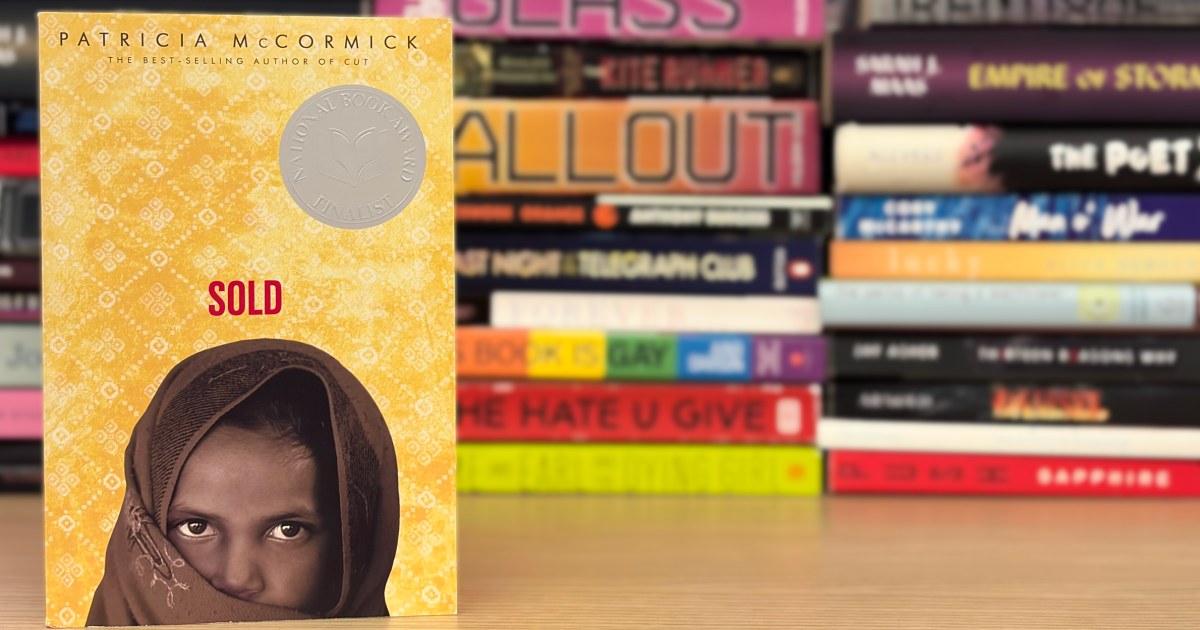
- Stephen King’s books were removed 312 times; “Sold” was the most-banned individual title, with 25 removals.
U.S. public schools recorded 11,982 book bans during the 2025-2026 school year, the highest annual total since PEN America began tracking removals five years ago. The bans affected 7,370 individual works, including more than 4,500 appearing on PEN’s list for the first time.
The free-expression organization’s report, released Monday during Banned Books Week, found that Stephen King was the most-banned author for the second year in a row. His books were removed 312 times, including copies of “The Shining” and “The Green Mile.” The most-banned individual title was “Sold,” a novel about a girl sold into sexual slavery, with 25 removals.
According to The Guardian, Texas accounted for more than 8,100 bans, the most of any state in the 2025-2026 school year. The newspaper reported that PEN linked the surge there to a state law known as SB13, which bars broad categories of books in schools. Florida had ranked first for the previous three years, The Guardian said. PEN also found that school district administrators increasingly rely on artificial intelligence tools to identify books for removal, according to NBC News.
Race, racism, sexuality and gender identity remained common reasons for challenges, NBC News reported. Books targeted during the year also included Margaret Atwood’s “The Handmaid’s Tale,” Laurie Halse Anderson’s “Speak” and Ellen Hopkins’ “Crank.” Newly listed works ranged from “Jane Eyre” to Sui Ishida’s “Tokyo Ghoul” manga series.
The Guardian reported that bans reached 114 school districts, a single-year high, and involved works by more than 4,000 authors, illustrators and translators. It said PEN has counted 34,000 instances of book bans since it began its tally in 2021. Fiction accounted for more than 90% of young adult titles subject to bans, according to PEN figures cited by the newspaper.
“School libraries make knowledge and ideas available,” PEN said in its report, “and open gateways to stories that inform, challenge, and reflect the realities of the world back to readers.” The organization said bans cut students’ access to a diversity of views and literature.
In a statement issued by PEN, “Sold” author McCormick objected to characterizations of accounts from women she interviewed for the novel as pornographic. “Mostly I feel angry on behalf of the women that I interviewed for the story,” she said.
PEN and the American Library Association use different definitions of a ban. PEN counts books removed even briefly; the ALA counts only books permanently pulled. The ALA’s most recent report, published in April, recorded about 5,600 instances of bans during the previous year.








Be First to Comment