Key takeaways:
- Boulder sued Exxon Mobil and Suncor Energy in 2018, alleging they misled consumers about their products' climate effects.
- The companies argue that federal authority and the Clean Air Act bar Boulder's state-law claims; Boulder says its suit concerns consumer deception, not emissions limits.
- Justice Samuel Alito will not participate, leaving eight justices to hear a case that could affect more than two dozen similar lawsuits.
The Supreme Court opens its new term Monday with a case that could determine whether Boulder, Colorado, can pursue a climate-related damages lawsuit against Exxon Mobil and Suncor Energy in state court. More than two dozen similar lawsuits could be affected by the ruling.
The city and county of Boulder sued the companies in 2018, alleging that they misled consumers about the climate effects of greenhouse gases produced by their products. Boulder says it faces mounting costs from the effects of climate change and seeks to recover past and future expenses for repairs, emergency services and property damage, as well as efforts to reduce wildfire risks.
The companies deny the allegations and want the justices to end the case before it reaches trial. They argue that climate change crosses state and national borders and that only the federal government can set policy on such an issue. Allowing state-law claims to proceed, they say, could expose energy companies to billions of dollars in damages.
Their lawyers also argue that the federal Clean Air Act, which regulates air pollution, overrides Boulder’s claims. In court papers, they said states cannot use their own laws to resolve disputes over shared resources such as air and water, which cross political boundaries.
Boulder counters that its suit does not seek to cap emissions in Colorado or elsewhere. Its lawyers say it concerns alleged consumer deception, a type of claim state courts routinely hear, even when the conduct at issue has effects beyond state borders. “That exercise of traditional state power has never been thought unconstitutional,” they wrote.
The Trump administration has filed a brief supporting Exxon and Suncor. The Supreme Court ruled in 2011 that the Clean Air Act displaced certain federal-court climate claims against energy companies. The question now is whether Boulder’s state-law case can proceed.
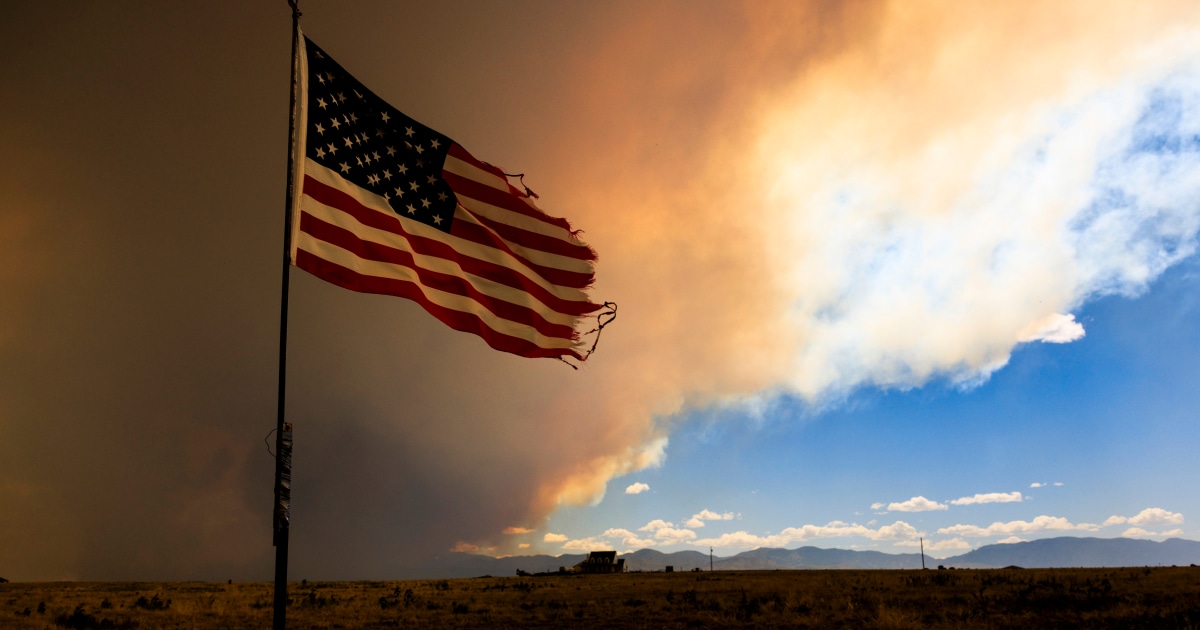
The dispute has a local backdrop. The Marshall Fire swept across Boulder County in December 2021, destroying homes. Daryl McCool, whose historic house burned, described what remained: “There’s basically nothing left.” Louie Delaware, who also lost his home, told NPR he plans to attend Monday’s arguments. Boulder’s lawsuit predates that fire and remains in the early stages of the Colorado court system.
The case could also shape disputes outside climate litigation. Deepak Gupta, a lawyer who regularly argues before the Supreme Court, pointed to lawsuits involving forever chemicals, AI data centers and opioids as other examples of local claims arising from conduct that crosses borders.
Only eight justices will hear the arguments. Justice Samuel Alito decided last week not to participate, and the court gave no explanation. Environmental and watchdog groups had urged him to step aside because he owns shares in other oil companies, including Phillips 66 and ConocoPhillips.
A 4-4 split would leave in place a Colorado Supreme Court decision allowing Boulder’s lawsuit to proceed without resolving the broader legal question. The justices will also consider whether they can hear the oil companies’ appeal at this stage of the state-court case.







Be First to Comment