Key takeaways:
- The Arizona Court of Appeals vacated Horcasitas’ manslaughter sentence and ordered resentencing.
- Pelkey’s family played an AI-generated portrayal of him at the May 2025 sentencing hearing.
- The appeals court found the video depicted imagined thoughts rather than Pelkey’s recorded statements.
An Arizona appeals court has ordered a new sentencing for a man convicted of killing another driver, finding that an AI-generated video portraying the victim speaking to the judge made the original hearing fundamentally unfair.
The Arizona Court of Appeals ruled Wednesday that Gabriel Paul Horcasitas must be resentenced for manslaughter in the 2021 death of Christopher Pelkey. The video, made by Pelkey’s family and played before the sentence was imposed, showed a likeness of Pelkey expressing forgiveness toward the man who shot him.
“On this record, the judge’s consideration of the AI video so prejudiced Horcasitas as to render the sentencing procedure fundamentally unfair,” the appellate judges wrote.
Authorities say Horcasitas shot Pelkey, 37, during a November 2021 road rage encounter at a stoplight in Chandler, near Phoenix. Pelkey was unarmed and had gotten out of his truck to walk toward Horcasitas’ vehicle. Horcasitas was convicted of manslaughter and endangerment; a gunshot also struck another vehicle at the intersection.
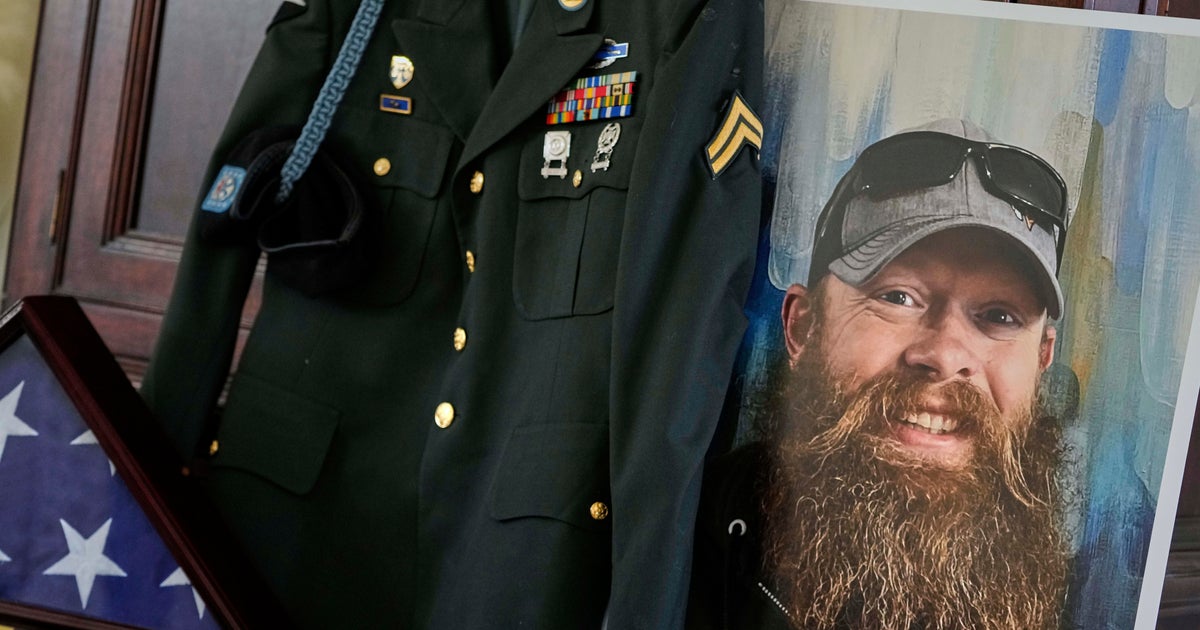
At the May 2025 sentencing hearing, nine of Pelkey’s relatives and friends described the devastation caused by his death. His sister, Stacey Wales, then presented the AI video. She told the BBC last year that the family had used voice recordings, videos and photographs to re-create her brother.
“To Gabriel Horcasitas, the man who shot me, it is a shame we encountered each other that day in those circumstances,” the AI portrayal said. “In another life, we probably could have been friends.” It also said, “I believe in forgiveness, and a God who forgives.”
Superior Court Judge Todd Lang said he “loved that AI” and described the portrayal as “genuine.” He said Pelkey’s “obvious forgiveness of Mr. Horcasitas reflects the character I heard about today.” Lang imposed the maximum sentence; NBC News reported it was 10½ years. The defense had sought the lowest possible sentence.
Horcasitas argued on appeal that the video denied him due process and that he had no meaningful opportunity to rebut it. His lawyer said it did not disclose who wrote the words or establish that they reflected Pelkey’s views. Prosecutors and lawyers for Pelkey’s family defended the presentation, saying it conveyed his character. Prosecutors argued that Lang had not relied on the video when sentencing Horcasitas.
The appellate court disagreed. The video “does not reflect actual events,” the judges wrote. Rather than recording something Pelkey said, it presented “a depiction of the victim and his thoughts created from the imaginings of the victim’s sister.”
Wales said she had expected an appeal but was disappointed that the video became the reason for a new sentencing. Her aim, she said, was to humanize her brother for the judge. “We will continue to let his voice be heard in whatever allowable medium we can convey that through the court system,” she said.
The Maricopa County Attorney’s Office said prosecutors knew Pelkey’s family would address the court but had not known the nature of the presentation.










Be First to Comment