Key takeaways:
- Iran’s plan calls for U.S. steps within four to five days, reopening the strait on day six and beginning nuclear talks on day seven.
- Al Jazeera reported that negotiations had reached a technical stage, but CBS News said U.S. officials had not immediately confirmed it.
- More than 130,000 people have fled their homes amid renewed fighting in Yemen, according to the International Organization for Migration.
Iran has proposed reopening the Strait of Hormuz within a week if the United States lifts its blockade and takes other steps toward ending the war, setting out a timetable that would bring the two countries back to talks on Tehran’s nuclear program.
Under the plan described by Iranian Foreign Minister Abbas Araghchi, Washington would have four to five days to lift its naval blockade of Iranian oil ports, restore a waiver allowing Iranian oil exports, permit the release of some frozen Iranian assets and secure a ceasefire on all fronts, The Guardian reported. Iran would reopen the strait on the sixth day, using a shipping route designated with Oman. Nuclear negotiations would begin the following day, including discussions of access for U.N. inspectors to damaged sites and Iran’s stockpile of highly enriched uranium.
“The conditions we have asked the US to meet is nothing new, nothing more than what was already in the Islamabad agreement, which was signed by the US president,” Araghchi said, according to The Guardian. He described the proposal as an accelerated version of an earlier 60-day process.
Iranian diplomats said they had presented the plan to U.S. envoy Steve Witkoff at a three-hour meeting this week and found the discussion productive, though they doubted Washington would deliver, The Guardian reported. Araghchi said previous talks with Witkoff had been described as productive before U.S. strikes on Iran the next day. Iranian diplomats also said an end to Israeli attacks on Hezbollah in Lebanon was essential to a deal.
Al Jazeera’s Tehran bureau chief, Nourddine Dgheir, reported that U.S.-Iran discussions in New York had reached a technical stage after an initial meeting involving Witkoff and Jared Kushner. CBS News said U.S. officials had not immediately confirmed that account or that additional Iranian officials had been cleared to enter the country. Dgheir reported that sanctions relief, oil exports, frozen funds and shipping arrangements remained under discussion, with Qatar working to bridge differences.
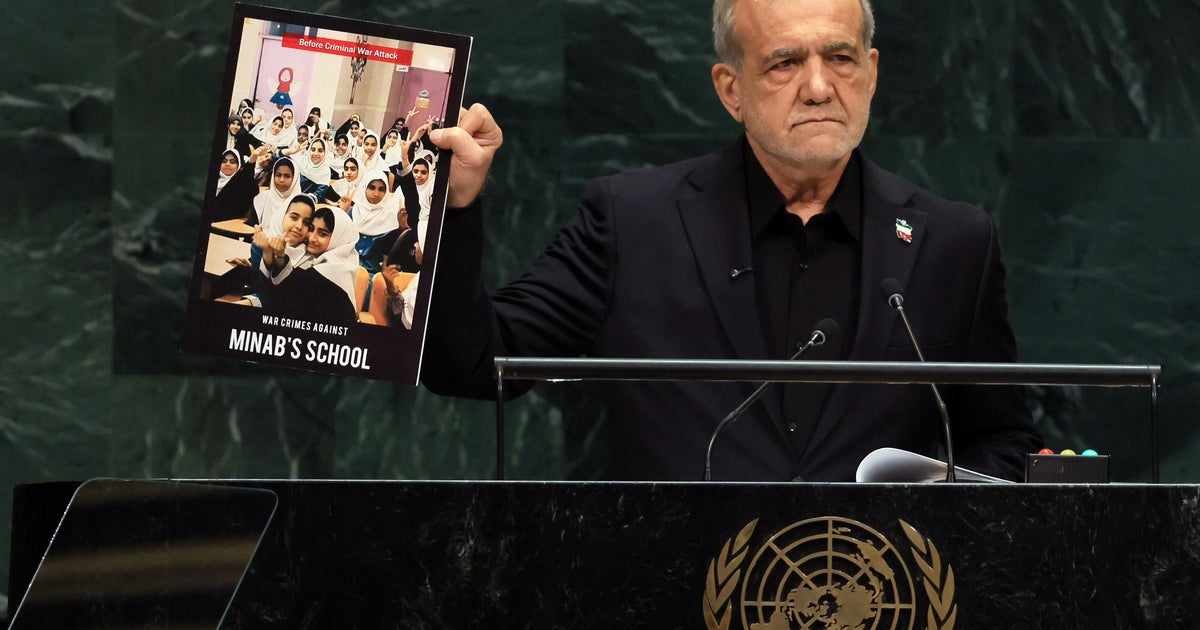
Iranian President Masoud Pezeshkian said Thursday that his country wanted a deal before the U.S. midterm elections in November, CBS News reported. But The Guardian reported that Pezeshkian said the elections had never been a factor in Iran’s thinking. President Donald Trump had claimed Iran was waiting until after the vote to offer a deal.
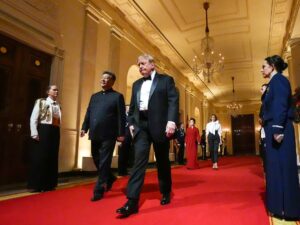
Trump said Friday that he had discussed the war with visiting Chinese President Xi Jinping. Asked about prospects for reopening the strait, Trump replied, “I think we’re going to do great.” He did not answer a reporter’s question about whether he had asked Xi to stop sharing intelligence with Iran.
The war’s effects are spreading beyond the strait. CBS News reported that Turkey and Pakistan planned military talks with Saudi Arabia as Yemen’s Iran-backed Houthis intensified attacks on the kingdom. In Yemen, more than 130,000 people have fled their homes amid renewed fighting, according to the International Organization for Migration, while health officials warned that overwhelmed facilities could close.




Be First to Comment