Key takeaways:
- Four Republicans joined most Democrats in the 49-50 vote; Democrat John Fetterman voted against the measure.
- The House passed the concurrent resolution 214-208 in July, but it would not have gone to the president for a signature or veto.
- A recent NBC News poll found 62% of registered voters said the Iran war was not worth it, compared with 33% who said it was.
The Senate rejected a measure Thursday that called for President Donald Trump to end U.S. military hostilities against Iran unless Congress explicitly authorized them. The 49-50 vote came more than six months after the war began and despite support from four Republicans, one more than had previously backed advancing the measure.
Republican Sens. Susan Collins of Maine, Lisa Murkowski of Alaska, Rand Paul of Kentucky and Thom Tillis of North Carolina joined most Democrats in voting to advance it. Sen. John Fetterman of Pennsylvania was the only Democrat to vote against it.
The resolution directed the president to remove U.S. forces from hostilities against Iran or its government or military, including potential ground forces, unless Congress issued a declaration of war or a specific authorization for military force. The House passed it 214-208 in July. Because it was a concurrent resolution, it would not have gone to Trump for a signature or veto had it passed the Senate.
The vote exposed continued divisions over the war and Congress’ authority to restrict it. The 1973 War Powers Resolution provides for Congress to direct a president to remove troops through a concurrent resolution, though administrations of both parties have long argued that the process is unconstitutional and cannot bind the president.
Tillis, who is leaving the Senate early next year, backed advancing the measure for the first time. He told reporters he planned to vote for it because 60 days had passed since the administration notified Congress in July that military action against Iran had restarted. The War Powers Resolution requires a president to notify Congress within 48 hours of the start of hostilities and generally limits unauthorized military engagement to 60 days, with a possible 30-day withdrawal period.
Sen. Tim Kaine of Virginia, who has led Democratic efforts to limit Trump’s war powers, argued that the measure carried more weight than a political message. “Congress has the constitutional power to declare war, not the president,” he said.
Trump defended the war in a speech to world leaders at the United Nations on Wednesday, saying it was aimed at weakening Iran and preventing it from obtaining a nuclear weapon. “Just imagine such a vile regime were ever empowered to carry out large-scale terror attacks from behind a nuclear shield,” he said.
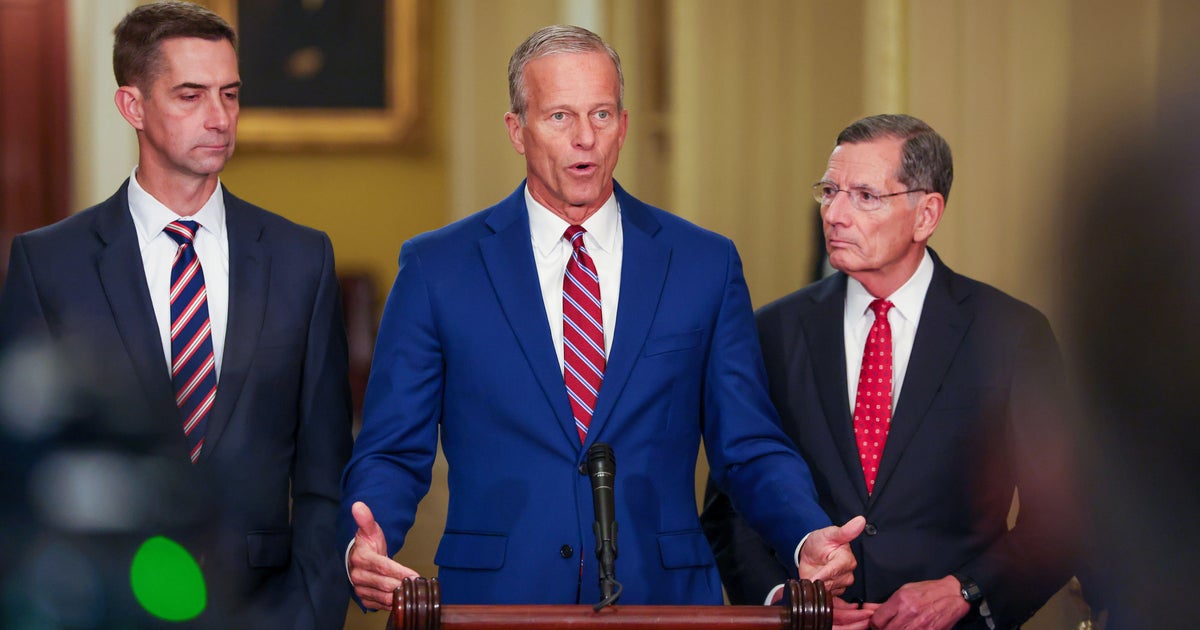
The war has also become an issue in competitive Senate races. Republican candidates Mike Rogers in Michigan and Rep. Ashley Hinson in Iowa have called for it to end. Senate Majority Leader John Thune acknowledged “voter fatigue” over high gas and diesel prices and said he hoped the administration would focus on reopening shipping lanes through the Strait of Hormuz.
NBC News reported that 19 U.S. service members have died and that gas, diesel, fertilizer and food prices have risen as Iran has turned the strait into a war zone in retaliation for strikes that began in February. In a recent NBC News poll, 33% of registered voters said the war was worth it, while 62% said it was not.






Be First to Comment