Key takeaways:
- Xi is due to arrive Wednesday for his first U.S. state visit in 11 years and meet Trump on Thursday.
- The leaders face a Nov. 10 deadline to decide whether to extend their tariff truce.
- AI policy, semiconductor restrictions and Taiwan are among the issues facing the two presidents.
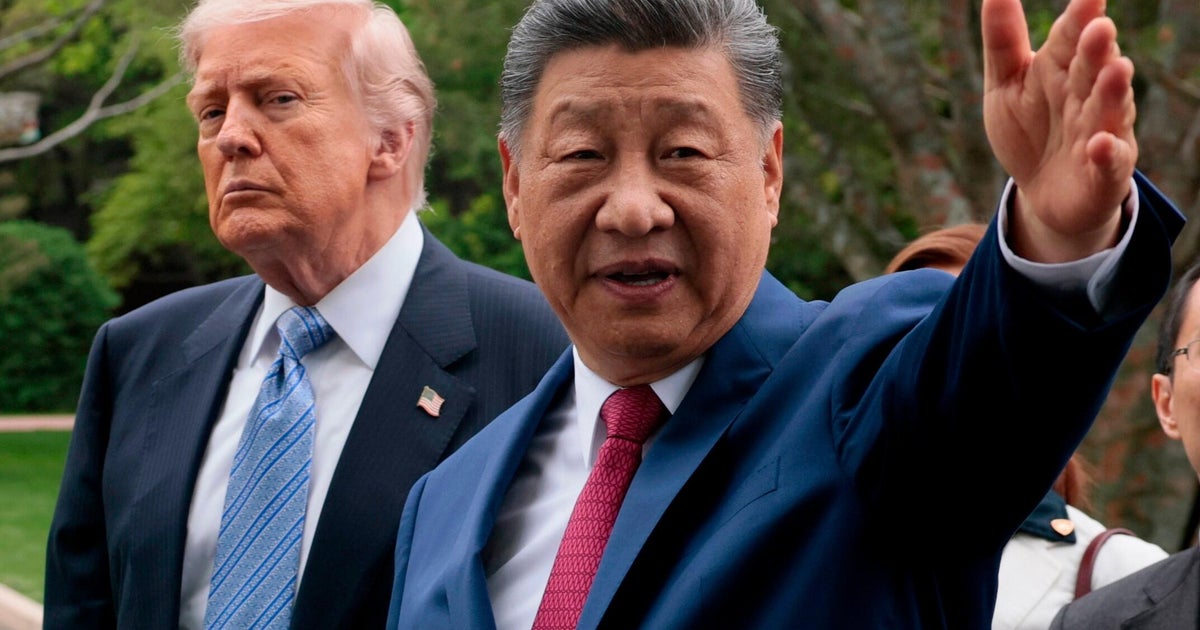
President Trump is preparing a state welcome for Chinese President Xi Jinping this week as the two leaders face decisions on tariffs, artificial intelligence and Taiwan. The ceremony will be elaborate. The prospects for a major agreement are less clear.
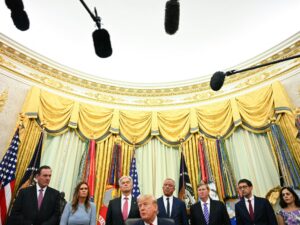
Xi is due to arrive Wednesday evening for his first U.S. state visit in 11 years. Trump plans to greet Xi and his wife, Peng Liyuan, at Joint Base Andrews, CBS News reported. On Thursday, Trump and first lady Melania Trump will host an arrival ceremony at the White House before the presidents meet and attend a state dinner.
The White House says the ceremony will include nearly 500 U.S. service members, the national anthems of both countries and a flyover by a B-2 bomber and four F-22s, according to CBS News. The leaders’ spouses are expected to visit the Smithsonian National Museum of Asian Art during the talks. The visit is set to conclude Friday after tea at the White House and a trip to the National Archives.
Trump and Xi last met in May during Trump’s state visit to Beijing, where they agreed to work toward a more stable relationship. But disputes have persisted. The immediate trade question is whether to extend a tariff truce that expires Nov. 10. Reached in Busan, South Korea, in October, it lowered tariffs and paused restrictions on Chinese rare-earth exports. It also called for China to keep buying large quantities of U.S. soybeans, a pledge it has not fulfilled, CBS News reported.
Treasury Secretary Scott Bessent said China has proposed a “bigger deal” beyond that truce. “We’re open to the idea of just continuing the Busan arrangement, or examining the bigger deal,” he told reporters Wednesday. U.S. Trade Representative Jamieson Greer has said the countries plan to establish a trade board to identify a small group of goods they would shield from disputes.
NPR reported, citing two people in the U.S.-China business community, that China is expected to announce purchases of American farm products while the United States is expected to announce tariff cuts on consumer goods including footwear and apparel. NPR also reported that mutual distrust derailed a Chinese offer to extend the rare-earth truce through January 2029.
Artificial intelligence is also on the agenda, a White House official told CBS News. Bessent has described a U.S. proposal for a system to notify each country of AI incidents affecting national security. At the same time, U.S. restrictions on advanced semiconductor sales to China remain a point of friction. James Lewis of the Center for European Policy Analysis told CBS News that Xi wants access to advanced chips and the ability to sell memory chips in the United States.
Taiwan poses another difficult issue. Beijing claims the self-governing island, and Xi has warned Trump that mishandling it could threaten relations. NPR reported that the Trump administration paused a $14 billion arms sale to Taiwan this spring; CBS News reported that the United States has a multibillion-dollar arms deal with the island.
James Lewis told CBS News there “isn’t much of a formal agenda” and said he did not expect much from the talks. The two leaders will nevertheless have another chance Thursday to address disputes that have tested their relationship since May.




Be First to Comment