Key takeaways:
- Trump said the Iran war would end “immediately after” the U.S. midterm elections and accused Tehran of trying to affect the vote.
- Oil prices rose to $100 a barrel Wednesday amid renewed attacks on tankers, oil facilities and military vessels in the region.
- Trump said the U.S. is not prioritizing renewed negotiations with Iran, saying, “We’re not looking for it, to be honest.”
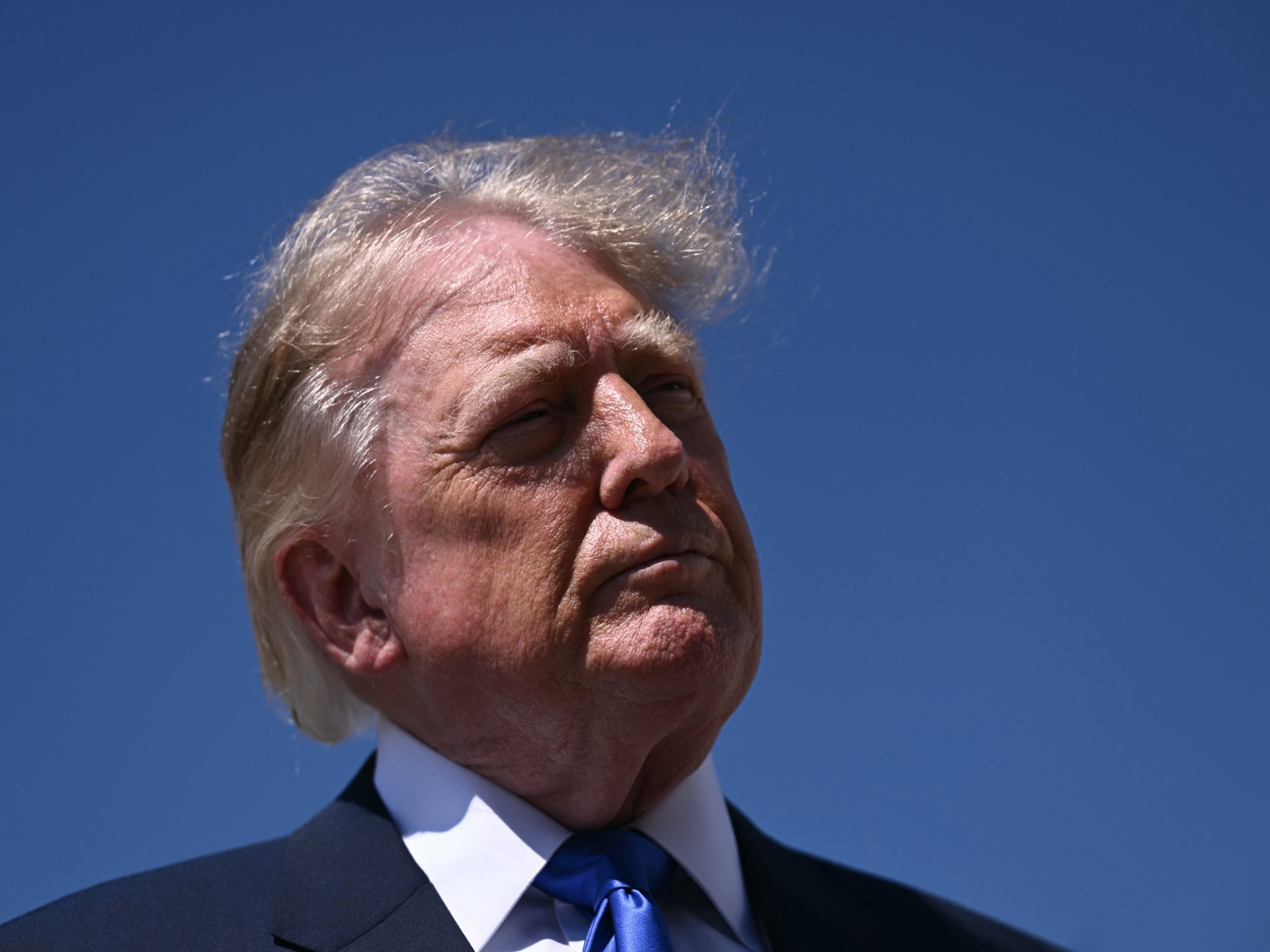
President Donald Trump said Wednesday that the war with Iran is unlikely to end before the November midterm elections, tying the conflict’s timeline to U.S. politics and predicting oil prices will fall once voting is over.
“This war will end immediately after our election,” Trump told reporters before boarding Air Force One for a trip to Texas, where Republicans are holding their first convention ahead of the midterms. “I think the war’s going to end immediately after the election because they can’t hold out any longer,” he said of Tehran.
Trump’s comments came as his administration faces pressure over a conflict now in its seventh month, with rising fuel prices and broader costs weighing on consumers. The BBC reported that Trump’s approval ratings have fallen sharply amid the war and its effects on prices for gas, groceries and shipping.
Oil prices climbed to $100 a barrel on Wednesday for the first time since July, as renewed fighting in the Middle East raised fears of further disruption to global energy supplies. “Right after the election, oil prices are going to be tumbling downward,” Trump said. “I think it’s going to take a little bit longer than the midterm.”
The president accused Iran of prolonging the war to influence the U.S. elections, in which Democrats are seeking to take control of one or both chambers of Congress. Republicans currently hold narrow majorities in both.
“They’re desperate to try and affect the election so that we can get a nice, weak group of people in there,” Trump said, suggesting Democrats would “leave them alone and let them have their nuclear weapon”.
“All they want is a nuclear weapon, and if they had a nuclear weapon, the whole world is in deep trouble,” he said.
Iran has repeatedly denied seeking nuclear weapons, saying its uranium enrichment is for civilian power purposes. Al Jazeera reported that U.S. intelligence reports have also cast doubt on whether Iran was building a nuclear weapon, though concerns have been raised over its levels of enrichment.
The war began on February 28, with the United States and Israel citing Iran’s nuclear programme as a central reason for launching hostilities. Trump and his officials said at the time that Iran posed an “imminent” threat to the U.S. and its allies. Negotiations over Iran’s nuclear energy programme were under way when the war began, and the issue has continued to appear in ceasefire efforts.
Asked Wednesday whether the U.S. would restart talks with Iran on a nuclear agreement, Trump said, “I’m doing much more than a nuclear deal. There’s a lot more than nuclear.” He added that negotiations were not a priority: “We’re not looking for it, to be honest. Originally, I wanted to make a deal. We’re so far down the line. They have very little country left right now.”
The latest escalation followed the expiration last month of a 60-day ceasefire between the U.S. and Iran. The U.S. military said it struck five Iranian tankers on Tuesday in response to attempted missile attacks on a U.S. Navy warship, according to Al Jazeera. The BBC reported that the U.S. military said Wednesday it had attacked five oil tanker ships with ties to Iran.
Iranian state media said Tehran responded by attacking two U.S. Navy destroyers and eight oil tankers in the Strait of Hormuz, causing “heavy damage” to the vessels, the BBC reported. A day earlier, Iran-linked Houthis in Yemen launched attacks in Saudi Arabia that sparked fires at oil facilities.
Trump signaled that U.S. attacks would continue. “You’re going to see a lot more,” he said.






Be First to Comment