Key takeaways:
- NBC News projected Chris Pappas defeated Karishma Manzur 62% to 36% with about one-fifth of the Democratic primary vote counted.
- NBC News projected John Sununu defeated Scott Brown 70% to 25% with about one-sixth of the Republican primary vote counted.
- The race is for the seat held by retiring Democratic Sen. Jeanne Shaheen, who defeated Sununu in 2008 and served three terms.
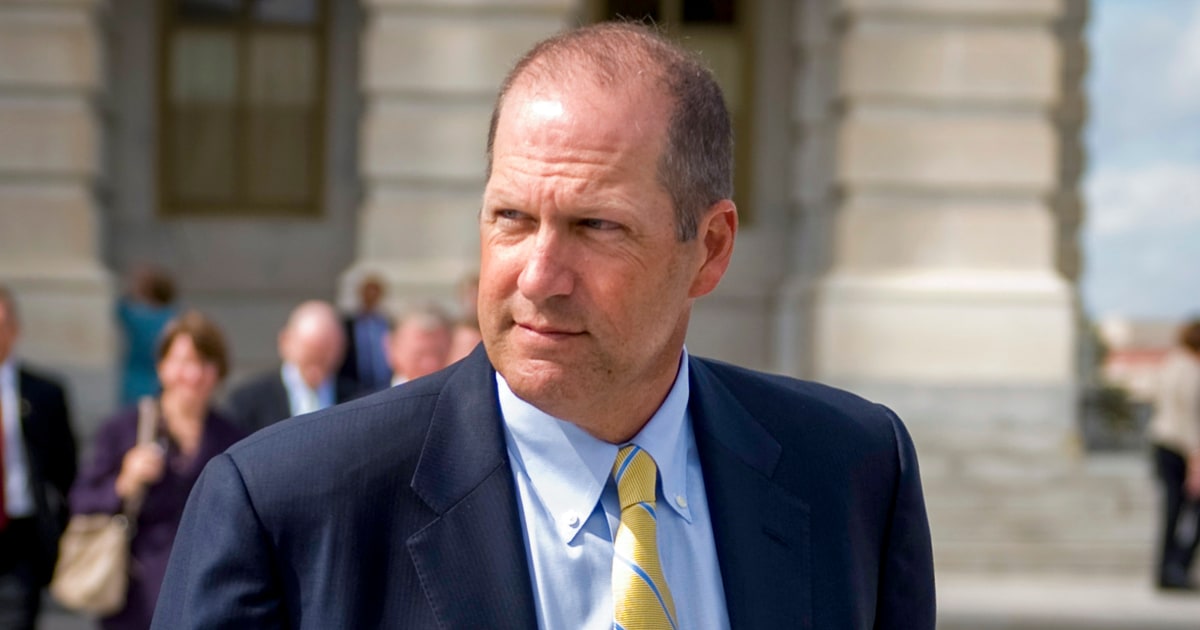
New Hampshire’s open Senate race is set: Republican former Sen. John Sununu will face Democratic Rep. Chris Pappas in a battleground contest that could help determine control of the chamber in November.
NBC News projected Tuesday night that both men won their primaries. Pappas defeated scientist and progressive activist Karishma Manzur, a member of the Democratic Socialists of America, leading 62% to 36% with about one-fifth of the vote counted. Sununu, endorsed by President Donald Trump, defeated former Massachusetts Sen. Scott Brown, leading 70% to 25% with about one-sixth of the vote counted.
The race opened when Democratic Sen. Jeanne Shaheen, 79, announced her retirement after three terms. Pappas, 46, who represents New Hampshire’s 1st Congressional District, had long been viewed as the Democratic front-runner to replace her. Sununu, 61, is seeking a return to the Senate seat he held from 2003 to 2008, after serving in the House. He lost his 2008 re-election bid to Shaheen.
The contest is expected to be competitive. Republicans say Sununu’s name recognition and political family give them a strong chance in a state where independent voters can decide statewide races. His father and brother both served as New Hampshire governors. Republicans also point to GOP Gov. Kelly Ayotte, who is running for a second two-year term, as a boost on the ticket. Ayotte is the last Republican to win a New Hampshire Senate race, winning in 2010 before losing re-election in 2016.
Democrats argue the GOP is overestimating its chances in a state Trump has never won. Lauren French, a spokesperson for the Democratic super PAC Senate Majority PAC, said recently that the race would be competitive but that Democrats were confident. “New Hampshire feels like wish casting in a lot of ways,” French said of Republican optimism. “We continue to put states that they didn’t even think were going to be competitive on the board, so they need to continue to assure donors, right, that they are also doing the same.”
Pappas entered the final stretch with more than $4 million cash on hand, according to filings cited by The Guardian, and had support from leading Democratic lawmakers and former Vice President Kamala Harris. He has described himself as “battle-tested” and told The Guardian that New Hampshire campaigns require more than advertising. “This is the kind of place where you can’t just run a bunch of TV ads and expect to win,” he said. “You’ve got to meet people where they are.”
Manzur, who has never held public office, ran to Pappas’s left, backing Medicare for All and higher taxes on mega-corporations and the ultra-wealthy. She criticized Pappas over money from donors aligned with the American Israel Public Affairs Committee and called both Pappas and Sununu “corporate politicians.” “One has a ‘D’ after their name. One has an ‘R’ after their name … neither of them have been able to address the real needs of the people,” she said.
Pappas has already turned toward Sununu, releasing an August ad accusing him of siding with pharmaceutical and insurance interests. “In Congress, Sununu gave huge tax breaks to pharma companies and sided with the insurance industry, and then he went to work for them and made $35 million,” Pappas said in the ad. “In Washington, I’m taking on this kind of corruption, refusing corporate PAC money and fighting to lower costs.”
Republicans have begun attacking Pappas as well. One Nation, the nonprofit arm of the GOP super PAC Senate Leadership Fund, launched an ad criticizing him on taxes and alleging he “gave out tax breaks to New Yorkers for their million dollar homes” by supporting a 2021 climate and social safety net bill.
Sununu’s primary opponent, Brown, also served as U.S. ambassador to New Zealand and Samoa during Trump’s first term. Trump backed Sununu despite the former senator’s past criticism of him, including a 2024 op-ed in which Sununu called Trump a “loser” and endorsed Nikki Haley in the Republican presidential primary.
On the campaign trail, Sununu has criticized Trump’s tariff policy, urged Congress to limit executive power and questioned military action in Iran. He told New Hampshire Public Radio it was “a tactical mistake” to go to war “without having a plan for protecting the strait of Hormuz.” The Guardian reported that Trump’s approval rating in the state was 38%. NBC News reported that Trump’s approval rating is down and that voters are raising concerns about the economy and the Iran war as the midterms approach.






Be First to Comment