Key takeaways:
- New York City launched an online portal with more than 170,000 pages of records related to post-9/11 air quality, contamination and health risks.
- The released records include the Harding Memo, which anticipated as many as 10,000 lawsuits involving toxic exposure and safety equipment after the attacks.
- Mayor Zohran Mamdani announced settlements in two lawsuits brought by 9/11 Health Watch and said more documents will be released on a rolling basis.
New York City has released more than 170,000 pages of previously undisclosed records on air quality and health risks after the September 11 attacks, opening a public online portal that officials and advocates say could shed new light on what the city knew about toxic conditions around Ground Zero.
Mayor Zohran Mamdani announced the release Tuesday alongside city officials, 9/11 health advocates and comedian Jon Stewart. The records include air quality reports, contamination findings, correspondence among city staff, 68 boxes of documents found last year, records concerning World Trade Center 7 and the Harding Memo, a document written weeks after the attacks that discussed possible lawsuits from people exposed to toxic air.
“These are documents that show what the city knew about the toxic air around Ground Zero, when they knew it, and how they acted to limit liability,” Mamdani said.
The mayor said the release was meant to provide “accountability around city government’s response to September 11 that New Yorkers have been denied for years.” He added: “People got sick because the leaders they trusted lied and told them they were safe to breathe in toxic air.”
The documents provide more evidence that concerns about toxic air persisted for months after the attacks, even as city and federal officials repeatedly assured residents, workers and first responders that the air around Ground Zero was safe. CBS News reported that the records show health officials were still finding evidence of asbestos at least 10 months later. Some reports documented asbestos levels below limits set by environmental and worker protection agencies, while others showed higher levels, and many did not include written analysis explaining the results.
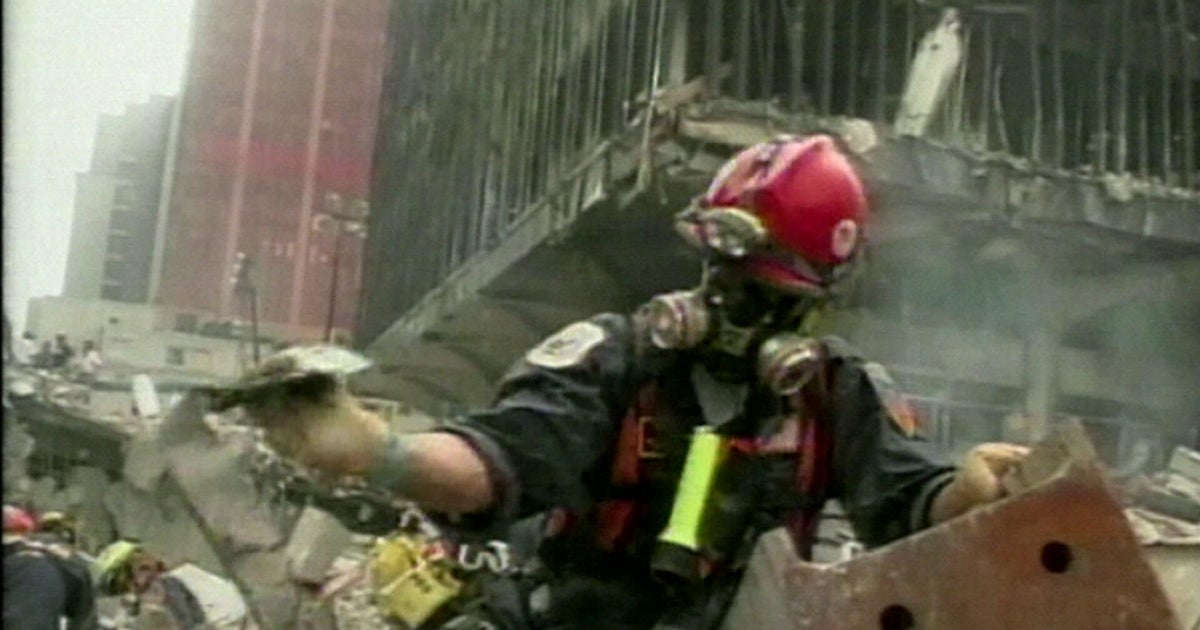
The September 11 attacks killed 2,753 people at the World Trade Center site after two hijacked planes struck the Twin Towers, causing them to collapse and sending dust across Lower Manhattan. Fires burned in the rubble for months. Thousands of police officers, firefighters and construction workers worked in the soot, often without proper protection, while residents and employees were allowed back into nearby buildings within weeks.
In the years since, many people who lived or worked near Ground Zero developed respiratory or digestive illnesses, and others later developed cancer. Al Jazeera reported that roughly 4,343 people have died from illnesses related to the event, according to the World Trade Center Health Program. The U.S. Centers for Disease Control and Prevention estimates 400,000 people were exposed to toxic contaminants, stressful conditions and situations that put them at risk of physical injury because of the attacks.
The Harding Memo, sent in October 2001 to then-Deputy Mayor Robert Harding, outlined the city’s potential legal exposure and anticipated as many as 10,000 lawsuits involving issues such as “toxic exposure” and “faulty” safety equipment, Al Jazeera reported. It also discussed ways the city could limit liability, including by seeking a victim fund from Congress and indemnification from the federal government.
Another memo from February 2002 described concerns that criticism from Rep. Jerry Nadler could create “major public relations problems” and a “barrage of lawsuits.” Ester Fuchs, a former adviser to then-Mayor Rudy Giuliani, cited Nadler’s accusations that the government suppressed documents showing “higher than acceptable levels of asbestos” and wrote that “there is at least a low level of asbestos in the dust in many buildings in lower Manhattan.” She added: “At the least, we should discontinue telling people to clean their apartments with wet mops and rags.”
Nadler said officials under Giuliani had predicted thousands of New Yorkers would face severe health consequences, according to the memo. “The failure of government officials to share this information with the public and adequately respond to the dangers has had devastating and, in too many cases, fatal consequences,” he said.
Stewart said the records confirmed what many downtown residents and responders already believed. “There was poison in the air and on the ground and in the window sills and in your air conditioners and covering your pets and your clothes, and it stayed there for months,” he said. “Everyone knew. And now it’s very clear that the city knew as well.”
Mamdani also announced the settlement of two lawsuits brought by 9/11 Health Watch, ending a multiyear fight over the records. Benjamin Chevat, the group’s executive director, said four mayoral administrations had kept documents from the public, Congress and the City Council while officials continued saying the air was “safe and acceptable.”
A spokesman for former Mayor Eric Adams said, “Any documents related to post-9/11 air quality must be released and scrutinized, but Mayor Adams did not create, conceal or control records from prior administrations.” CBS News said it had reached out to Giuliani and former Mayors Michael Bloomberg and Bill de Blasio for comment and had not heard back.
More records are expected to be added on a rolling basis. Mamdani said City Hall will appoint people to help eligible New Yorkers use the documents as proof of their presence in the exposure zone to access federal health programs.





Be First to Comment