Key takeaways:
- Several dozen officials, including some U.S. Central Command officials and other combatant commanders, were polygraphed in the leak inquiry, CBS News reported.
- Two sources told CBS News that no one failed the questions designed to determine whether officials leaked information to the media.
- Defense Secretary Pete Hegseth announced in July a Pentagon-Justice Department task force to identify and prosecute suspected leakers of sensitive government information.
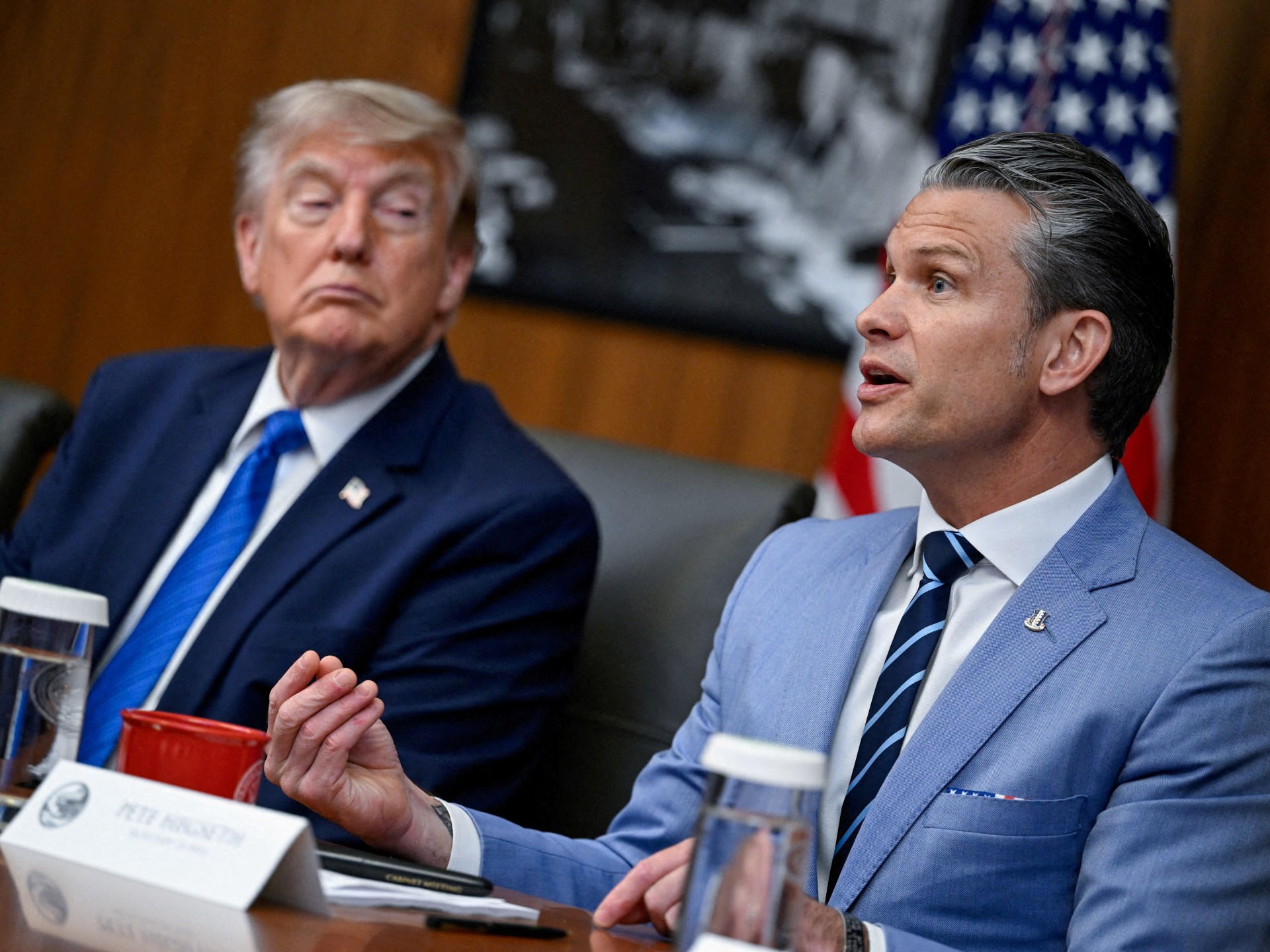
Some of the U.S. military’s highest-ranking officials were given polygraph tests this summer as investigators examined leaks of classified information about American weapons stockpiles, U.S. officials briefed on the matter told CBS News.
The inquiry followed news reports about the rapid pace at which the United States was using some of its most advanced and limited munitions during the conflict with Iran. CBS News reported that President Donald Trump was furious about the disclosures, according to three sources who spoke on condition of anonymity. One source said only a small group of people had access to the classified details, and officials were concerned about whether anyone could be acting as a foreign intelligence asset.
Several dozen people were tested, including some U.S. Central Command officials and other combatant commanders, CBS News reported. The New York Times reported that about 50 members of the Joint Staff were interrogated and given lie detector tests, according to Al Jazeera. The Joint Staff includes about 1,500 to 2,000 military and civilian personnel and helps coordinate strategy, policy and war planning with combatant commands around the world.
The questions covered a range of national security matters. Two sources told CBS News that no one failed the questions designed to determine whether the officials had leaked information to the media. Not every senior military official was tested; Gen. Dan Caine, the chairman of the Joint Chiefs of Staff, was not polygraphed, a senior Pentagon official told CBS News.
Chief Pentagon spokesman Sean Parnell declined to discuss the specific investigation. “The Department does not comment on internal personnel or investigative matters but takes all leaks of classified national security information extremely seriously and investigates accordingly,” he said in a statement to CBS News. “Securing classified information is critical to ensuring the security of the United States and of our troops deployed around the world.”
Polygraphs are not unusual for officials cleared to review top-secret files or special access programs, which carry tighter restrictions. They are often used every few years to renew clearances. But officials told CBS News the number of people pulled in for testing in this case was extremely rare. Al Jazeera, citing The New York Times, reported that legal and military experts described the scale as unprecedented in modern U.S. military history.
The FBI was not involved in the tests, several people with direct knowledge told CBS News. The military has its own investigators. Defense secretaries can direct counterintelligence investigations that include polygraphs, though federal law and Pentagon rules set limits and procedural safeguards. In such cases, the person being examined must consent to or request the test.
The leak inquiry comes amid a broader crackdown ordered by Defense Secretary Pete Hegseth. In July, Hegseth announced that the Pentagon and Justice Department had created a joint task force to identify and prosecute people suspected of leaking sensitive government information to the press. He gave the Pentagon’s Office of General Counsel, led by Earl Matthews, broad authority to demand information, records and assistance, and instructed Pentagon personnel to prioritize those requests and respond within two days.
“When a leak of department information occurs today, it’s critical that we provide the Department of Justice and other partners in federal law enforcement — including the FBI — with actionable information as quickly as possible,” Hegseth said at the time. He added: “Leaked information risks lives.”
The move followed Justice Department subpoenas to several New York Times reporters over reporting on security shortcomings aboard Trump’s new Qatari-donated Air Force One. The department later withdrew subpoenas seeking grand jury testimony and phone records after a contentious court hearing, CBS News previously reported.
Al Jazeera, citing The New York Times, reported that the investigation was intended both to identify leakers and deter future disclosures. The outlet also reported that Trump has pushed officials to crack down on unauthorized disclosures and publicly called some coverage of munition shortages and the Iran conflict “treasonous.”







Be First to Comment