Key takeaways:
- A Gallup poll put opponents of restarting EU talks at 51.6%, while an earlier Maskina poll showed 51.3% support for renewed negotiations.
- A yes vote would only restart accession talks; any EU membership deal would require a second referendum, parliamentary approval, constitutional changes and consent from all 27 EU states.
- Fishing is a central issue, with opponents warning EU membership could reduce Iceland’s control over waters, quotas and natural resources.
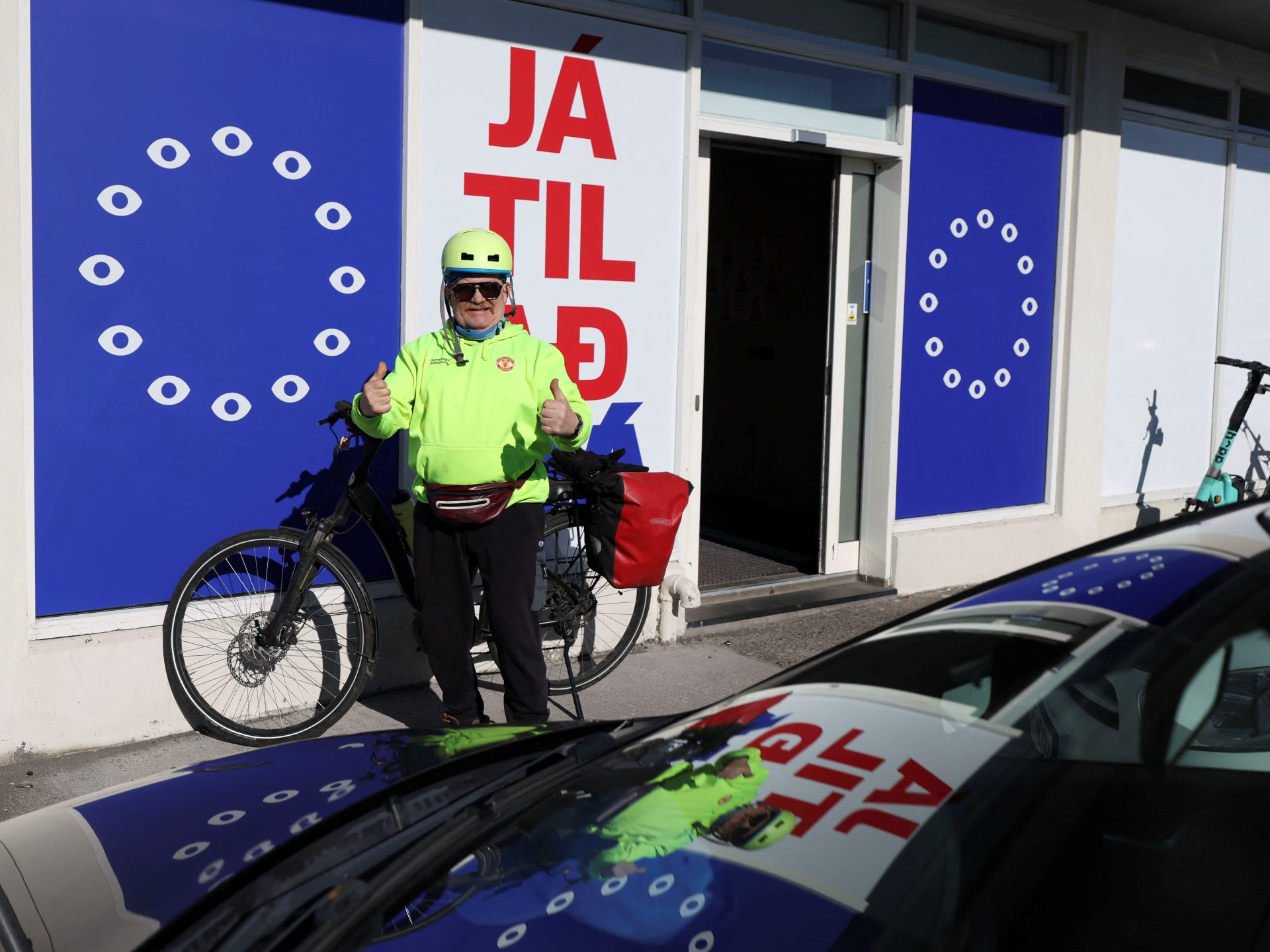
Icelanders voted Saturday in a closely fought referendum on whether to restart talks on joining the European Union, 13 years after the country halted accession negotiations and left one of Europe’s most contentious membership bids unresolved.
The ballot asks: “Should Iceland resume accession negotiations with the European Union?” Voting was scheduled from 09:00 to 22:00 GMT, with results expected in the early hours of Sunday. More than one in five voters had already cast ballots early before election day, Iceland’s public broadcaster RUV reported. The country has a population of just under 400,000.
Polls pointed to a knife-edge result. A Gallup survey published this week put opponents of renewed talks ahead with 51.6% support, while 48.4% backed the proposal. An earlier poll by Icelandic pollster Maskina showed 51.3% in favor of restarting negotiations.
Prime Minister Kristrun Frostadottir, whose centre-left Social Democrats support closer ties with the EU, brought the referendum forward amid international turbulence. She has said she will respect the result. A “yes” vote would not make Iceland an EU member; it would authorize the government to seek an accession agreement, which would then need approval in a second referendum, by parliament, through a constitutional amendment and by all 27 EU member states.
Frostadottir told voters a “yes” result would allow Iceland to “enter negotiations with our heads held high and stand together in seeking a good agreement.” In a televised debate, she said Iceland was already closely integrated with the EU and that membership could be “one of the biggest risk-reducing steps we can take.”
Opposition leader Gudrun Hafsteinsdottir, chair of the Independence Party, argued the vote was not about whether Iceland should cooperate with Europe. “We already do, and we want that to continue,” she said. She framed the referendum as a question of whether Icelanders wanted to hand “decision-making powers” to Brussels over fisheries, agriculture and natural resources.
Iceland is already part of the EU single market and the Schengen border-free area through the European Economic Area. Membership would bring the country into the EU customs union and could eventually lead it to adopt the euro. When talks were halted in 2013, 27 of 35 negotiating chapters had been opened and 11 were provisionally complete, according to the BBC. European Commission officials have indicated talks could be completed in one or two years.
The debate has centered heavily on sovereignty and fishing. Iceland’s fishing and marine industries account for almost 40% of exports, according to the BBC, while Al Jazeera reported the fishing industry directly contributed about 8% of gross domestic product in 2024 and more indirectly. Opponents fear EU membership would subject Iceland to the bloc’s Common Fisheries Policy, bringing new catch quotas, more foreign competition and less local control.
“The fundamental objection to EU membership is that Iceland would not retain full control over its fisheries – the traditional backbone of the economy,” Valur Ingimundarson, professor of contemporary history at the University of Iceland, told Al Jazeera. He said Iceland would be unlikely to proceed with membership without “ironclad” exemptions for the industry.
Supporters argue membership could ease economic pressures. Iceland has the fifth-highest GDP per capita in the world, according to the BBC, but interest rates remain at 8% and inflation has climbed to 5.6%. Al Jazeera reported that consumer prices in 2025 were 87% higher than the EU average, and that Iceland’s finance ministry concluded earlier this year that maintaining the krona probably costs more than it benefits the country.
Security concerns have also shaped the renewed debate. Iceland is a founding NATO member but has no military and relies on allies, including the United States, under a defence agreement dating to 1951. Russia’s activity in the North Atlantic and President Donald Trump’s threats concerning Greenland have added to unease. Foreign Minister Thorgerdur Gunnarsdottir told Reuters that EU membership would be “a valuable addition,” while NATO and the US would remain Iceland’s core security partners.






Be First to Comment