Key takeaways:
- U.S. District Judge Indira Talwani blocked the Postal Service’s new mail ballot rules for 14 days, with a hearing scheduled for Sept. 3.
- The rules would require states to provide approved voter lists and follow specific envelope formatting before USPS delivers mail ballots.
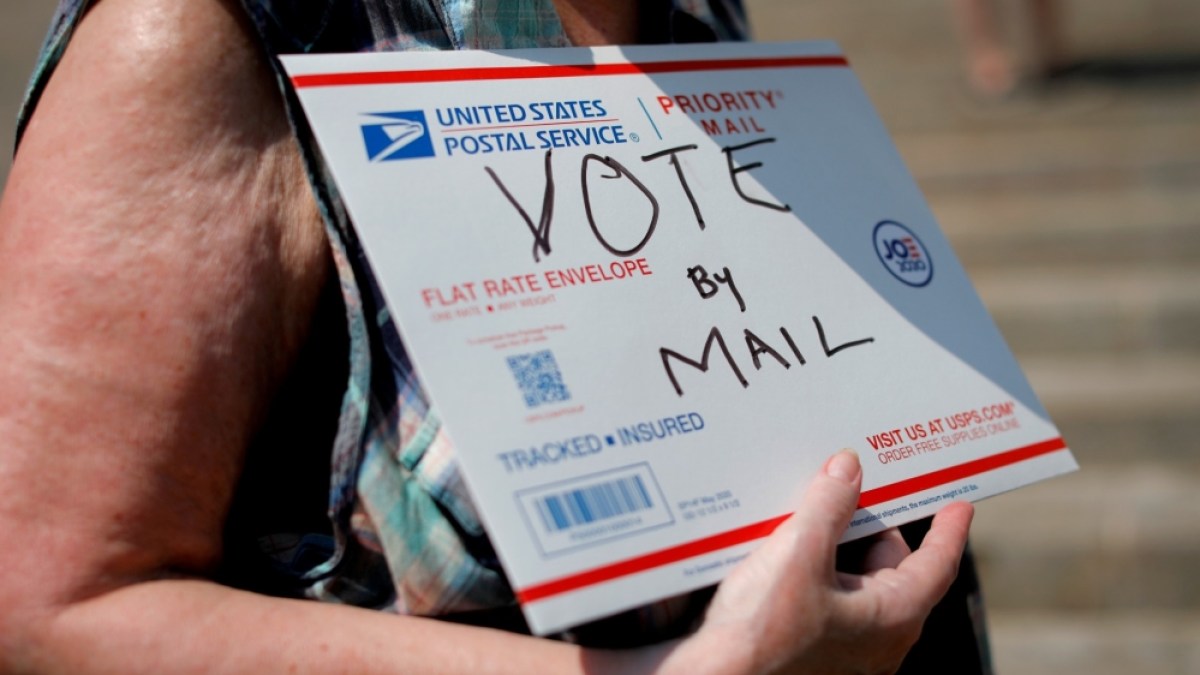
- Nearly one-third of Americans vote by mail, and the first midterm mail ballots are due to be sent out in about a week.
A federal judge has again blocked the Trump administration from enforcing new mail voting rules, pausing a Postal Service policy just days before the first ballots are expected to go out for the midterm elections.
U.S. District Judge Indira Talwani late Thursday issued a 14-day hold on the rules, hours after the U.S. Postal Service said they had taken effect. The order temporarily stops the agency from refusing to deliver mail ballots unless states submit approved voter lists and use specific ballot envelope formats.
The ruling keeps the policy on hold ahead of a Sept. 3 hearing in a legal fight that could return to the Supreme Court. On Monday, the court’s conservative majority overturned an earlier order by Talwani that had blocked the Trump directive, saying the legal challenge had been filed too soon. The justices did not rule on the legality of the policy itself.
Talwani wrote that the states challenging the rules “have neither time nor funds to design new mail ballots, seek approval of the new designs, order production of mail ballots, update their own election management systems, train election officials to use the USPS portal and upload citizen data to the portal, all before the midterms.”
The case carries immediate consequences for election officials. Nearly one-third of American voters cast ballots by mail, and the first mail ballots for the November midterms are due to be sent out in about a week. Those elections will decide control of Congress and the Senate.
The dispute stems from an executive order Trump issued in March targeting mail voting, his second elections-related order since returning to office. The order directed the Postal Service to withhold ballots unless states provided voter lists and complied with new formatting requirements.
Democratic officials and voting rights groups sued, arguing that the Constitution gives states, and in some cases Congress, the power to set election rules, not the president or the Postal Service. Talwani had previously agreed and blocked the rules over the summer.
The administration argued that the earlier lawsuits were premature because officials had not yet issued rules explaining how the order would be carried out. The administration won an initial case in Washington, D.C., on that reasoning, while Talwani issued injunctions against implementation in two cases in Boston.
After the Supreme Court threw out one of those injunctions Monday on timing grounds, Talwani removed the second injunction Wednesday. The Postal Service then published its final rule, and Democrats and voting rights groups refiled their lawsuits. Talwani’s latest order followed.
Al Jazeera reported that attorneys general from 24 states also filed a new lawsuit this week making the same core constitutional argument against the Trump administration’s rules.
Trump has long criticized mail voting, though he uses it himself, and has falsely blamed the system for his 2020 election loss. The Guardian reported that a Brookings Institution report published in 2025 found mail voting fraud occurred in about four cases for every 10 million mail ballots cast.
The legal fight is likely to continue quickly. The 14-day pause runs as ballots are scheduled to begin moving, meaning the next ruling by Talwani or a higher court could arrive as voting is beginning or already under way.







Be First to Comment