Key takeaways:
- The Kennedy Center board approved adding “Renovated and Restored by President Donald J. Trump” to the facade and naming the grounds “President Donald J. Trump Plaza.”
- U.S. District Judge Christopher Cooper did not rule Thursday but said he may temporarily pause action beyond the board’s Sept. 8 deadline.
- The Justice Department warned in filings that the center could face demolition if fundraising tied to Trump recognition fails, while CBS News reported there are no official existing demolition plans.
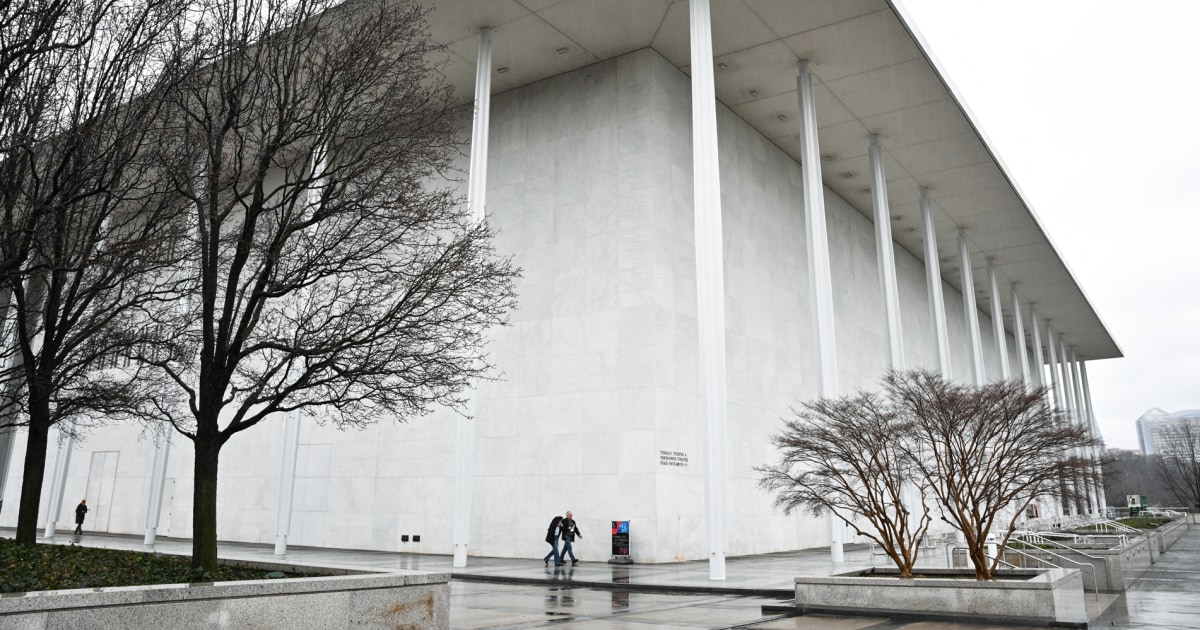
A federal judge pressed Justice Department lawyers Thursday over a fast-moving plan to put President Donald Trump’s name back on the Kennedy Center’s facade, questioning why the center’s board set a Sept. 8 deadline and whether the move complies with federal law.
U.S. District Judge Christopher Cooper did not rule after the hearing in Washington, but said he was considering a temporary pause to give the legal issues fuller review. The Kennedy Center’s board has agreed not to act before Sept. 8.
“There may be a temporary holding pattern while we can give the issues the attention they deserve,” Cooper said.
The dispute is part of a legal battle brought by Rep. Joyce Beatty, D-Ohio, who sued over changes made after Trump and his allies took control of the John F. Kennedy Center for the Performing Arts’ Board of Trustees. Trump chairs the board, which includes Cabinet members and allies.
Earlier this month, the board approved a resolution calling for the words “Renovated and Restored by President Donald J. Trump” to be added under the center’s name on the building. The measure also calls for the grounds to be named the “President Donald J. Trump Plaza” and for the inscription “Endowed by the Trump Kennedy Center Fund” to be added if a $100 million fundraising threshold is met.
The board previously voted late last year to rename the institution “The Donald J. Trump and John F. Kennedy Memorial Center for the Performing Arts,” and Trump’s name was added to the building. Construction crews removed it in June after Cooper ruled that “Congress gave the Kennedy Center its name, and only Congress can change it.” Cooper also wrote that no individual other than Kennedy can be memorialized on the center’s front portico.
Nathaniel Zelinsky, an attorney for Beatty, called the board’s latest action “deja vu” and “outright defiance” of Cooper’s earlier order. “They are doing the same thing they were told they couldn’t do before,” he said, describing the new resolution as an “attempt to end-run your order.”
Zelinsky argued that additional names are barred from the building’s exterior and may appear only in certain interior areas. Beatty’s filings also said the prior inscription damaged the building’s marble.
Justice Department attorney Brantley Mayers repeatedly told Cooper that the latest plan is not a renaming. “There is no renaming here,” he said. Mayers argued the inscription would recognize Trump’s role as president and his fundraising efforts, not his role as board chairman.
Cooper questioned that distinction. NBC News reported that the judge asked whether the plan would violate federal appropriations rules barring aggrandizement, or the promotion of a specific individual within a federal agency. When Mayers said it would not, Cooper responded, “That’s cutting it a little fine, isn’t it?”
The judge also questioned the urgency of the Sept. 8 date. “What’s magic about that date?” he asked Mayers, according to NBC News. Cooper also asked, “What does that have to do with what Congress intended?”
In court filings, the Justice Department described the Kennedy Center as “dangerously dilapidated, outdated, and decrepit” and said it is in a “financial and structural death spiral.” The government warned that without prominent recognition of Trump and his administration, donors will not contribute, the center will deteriorate further and could be required to be taken down, with officials later deciding what to build on the site, such as a proposed outdoor amphitheater overlooking the Potomac River.
Cooper called those claims about the center’s physical condition a “nonsequitur,” saying the question before him is whether the board’s effort to put Trump’s name back on the building complies with federal law. CBS News reported there are no official existing plans to tear down the nearly 55-year-old performing arts center.
Meeting minutes submitted to the court said Commerce Secretary Howard Lutnick told board members that Trump wanted recognition if he was to complete renovations in two years for $257 million and help raise money for the institution. Trump addressed the meeting virtually and stated his commitment to close the building, complete the renovation within two years and reopen it in substantially improved condition, the minutes said.
Lutnick, who is not a trustee though his wife, Allison, is, attended Thursday’s hearing. Before it began, CBS News reported, he said he had “no idea” whether the administration has legal authority to tear down the center and called adding Trump’s name to parts of the campus “the right thing to do.”





Be First to Comment