Key takeaways:
- Iranian officials said a preferential trade agreement with Oman has been finalized, though Oman has not confirmed it and Iranian approvals are still required.
- Treasury Secretary Scott Bessent said the United States expects other countries to join what he called the “greatest coordinated economic isolation in the history of the world.”
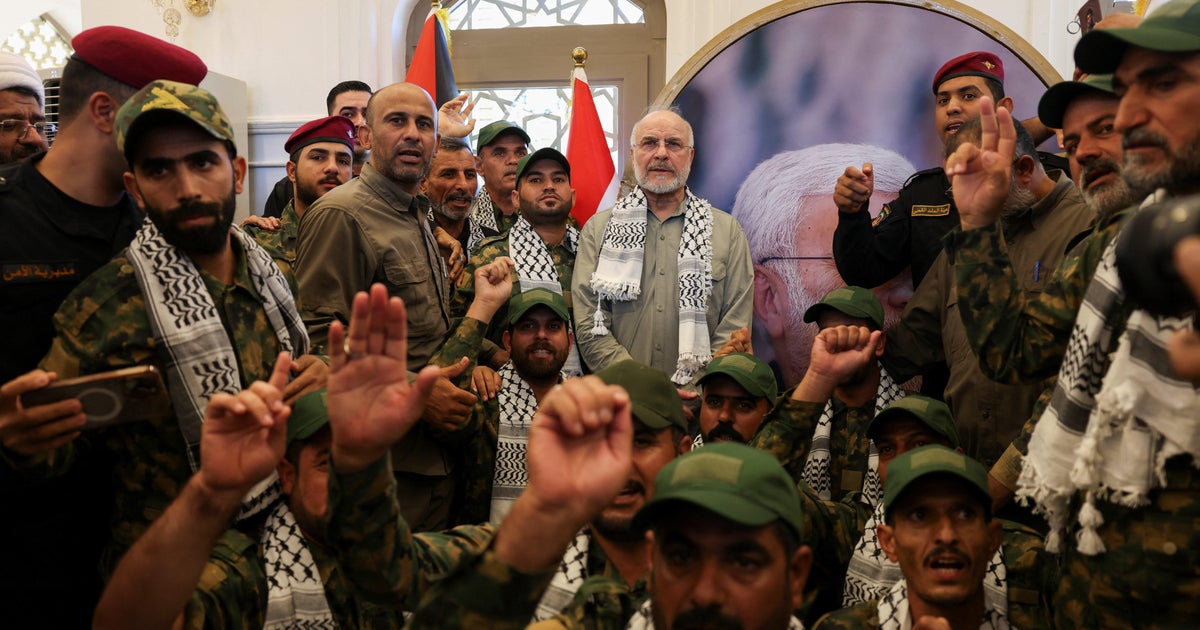
- Iranian Parliament Speaker Mohammad Bagher Ghalibaf urged Iran and Iraq to use national currencies in trade and told businesspeople they are “soldiers and commanders” in an economic battlefield.
Iran moved to deepen trade ties with its neighbors as the Trump administration prepared a broader economic campaign aimed at isolating Tehran nearly six months into the war involving the United States, Israel and Iran.
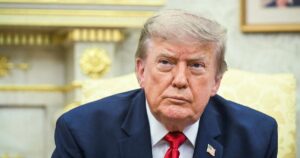
Iranian officials said Friday the country had finalized a preferential trade agreement with Oman, part of a wider push to strengthen regional commerce as Washington shifts toward what President Donald Trump has called an “economic D-Day.” Oman has not confirmed the agreement, which still requires approval by Iran’s parliament and other authorities, according to Iranian state media cited by CBS News.
The Iranian Trade Promotion Organization described the Oman deal as part of a strategy to expand trade diplomacy, improve logistics infrastructure and increase non-oil exports. Iran is also pursuing renewed preferential trade talks with Turkey, reopening border markets with Iraq and Turkey, and expanding commercial centers and trade advisers across the region.
U.S. officials say economic pressure is now central to their approach. Vice President JD Vance said Thursday that “the most effective tool that we have is the economic pressure that we can apply” on Iran. Treasury Secretary Scott Bessent told CNBC that Washington expects other governments to join the effort.
“This is going to be the greatest coordinated economic isolation in the history of the world,” Bessent said, adding that the administration’s message to other nations is, “you are either with us or against us.”
The BBC reported that Bessent is expected to outline details of the new pressure campaign at a news conference on Aug. 24. He said the United States was prepared to act against any country it believes is helping Iran by transferring money, buying Iranian oil or facilitating seaborne transfers.
Iran’s economy is already under severe strain. CBS News reported that grocery stores in Tehran remain stocked, but many families are struggling to afford basics as unemployment rises and the value of wages falls. “We have virtually given up on many things,” said Ahmad Karimi, a 52-year-old taxi driver and father of two who said he works 15-hour days. “We’re cutting out fruit, we’re cutting out protein, we’ve given up leisure, we even work on weekends.”
The current U.S. campaign follows years of sanctions, including intensified pressure after the first Trump administration withdrew from the 2015 nuclear accord with Iran. In the current conflict, the United States has already announced Operation Economic Fury, which the BBC described as combining Treasury-coordinated sanctions on Iranian financial flows with a naval blockade of Iranian ports.
Sanctions experts told the BBC that Iran has adapted to past measures through irregular channels, including shadow vessels moving oil and commercial fronts not listed by U.S. sanctions. “Whatever sanctions one does, they find a new road [around it],” said Mohammed Hammouda, an export control and sanctions manager at the London Stock Exchange.
Iranian officials are urging neighbors to resist U.S. pressure. Speaking Thursday to Iranian and Iraqi businesspeople at the Iranian Embassy in Baghdad, Iranian Parliament Speaker Mohammad Bagher Ghalibaf called for stronger economic cooperation and reduced dependence on the U.S. dollar.
“Today, it is possible to conduct trade exchanges using national currencies and strike at the mouth of the U.S. dollar,” Ghalibaf said, according to a Telegram post cited by CBS News. He described economic strength and security as “two wings of the same bird” and told the business community, “You are now the soldiers and commanders of this battlefield.”
China signaled resistance to Washington’s approach. “Sanctions and pressure will not help resolve the issue,” Chinese foreign ministry spokesman Lin Jian said Friday, after the United States urged governments including Beijing to join efforts to isolate Iran’s economy.
Iran’s military also warned against escalation. Major General Abdolrahim Abdollahi, chief of staff of the armed forces, said Friday that any “miscalculation” by Iran’s enemies would draw a “revolutionary, crushing, regret-inducing, and devastating” response across land, sea, air and cyber domains.










Be First to Comment