Key takeaways:
- South Korea has reported 19 heat-related deaths since mid-May and recorded a national high of 42.5 C in Yangsan on Sunday.
- Japan’s heat is worsening conditions after a 7.1-magnitude earthquake in Kumamoto, where more than 40,000 households remain without water.
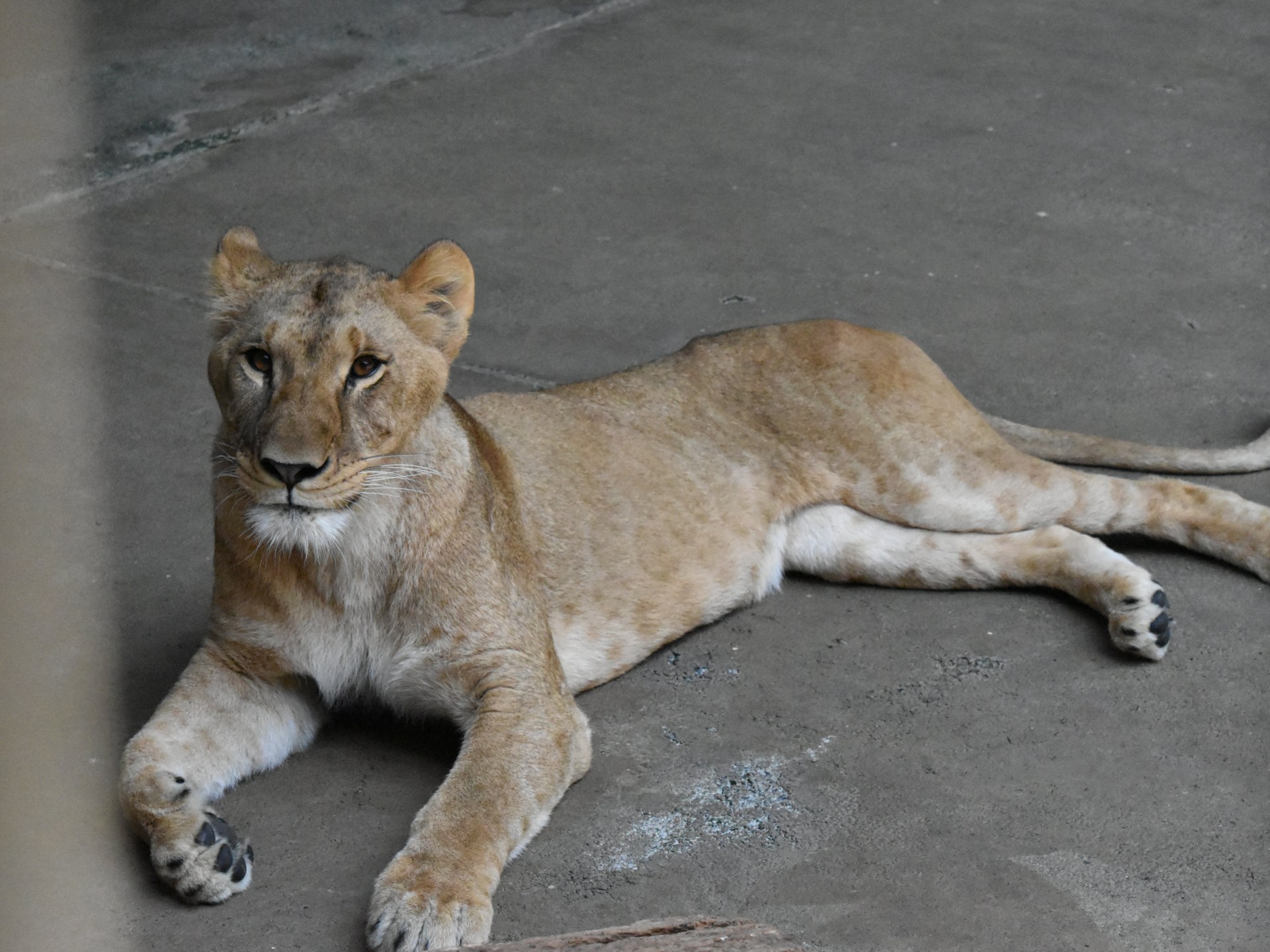
- Three lionesses at Tama Zoological Park outside Tokyo died within a week from suspected heat-related causes, and three other lions remain sick.
A record-breaking heat wave is straining East Asia, killing at least 19 people in South Korea, worsening conditions for earthquake survivors in Japan and contributing to the deaths of three lionesses at a Tokyo zoo.
South Korean President Lee Jae Myung declared the extreme heat a national disaster Tuesday and ordered officials to support those most affected while checking power systems as demand for air conditioning rises. “We need to make efforts for a fundamental overhaul of the national crisis system, since this extreme weather is becoming normal,” he said at a Cabinet meeting.
Lee also warned that “abnormal weather conditions make it highly likely that extreme weather will continue for a considerable period,” according to Al Jazeera.
South Korea has recorded 19 heat-related deaths since mid-May, the Korea Disease Control and Prevention Agency said. Al Jazeera reported that 13 of those who died were age 80 or older, and that 2,025 people nationwide have suffered heat-related illnesses since May 15.
The country’s heat record has been broken three times in the past week. On Sunday, temperatures reached 42.5 degrees Celsius in Yangsan, a southeastern city, the highest in 122 years of record-keeping, according to the Korea Meteorological Administration. The most extreme temperatures had been concentrated in the south but have spread north toward Seoul in recent days.
For the first time Tuesday, the weather agency issued its new “severe” heat wave warning for all of Seoul, after issuing it for parts of the city Monday. The warning is triggered when the maximum perceived temperature reaches at least 38 C. Residents of the Seoul metropolitan area, home to more than 26 million people, were urged to stay indoors, drink water and check on vulnerable people.
North Korea is also facing soaring temperatures. The state newspaper Rodong Sinmun urged residents to avoid outdoor activity and told farmers to protect crops from the heat, Yonhap reported. Al Jazeera said North Korean state media reported that heat advisories covering much of the country would remain in place through the week, while water parks in Pyongyang attracted large crowds. Casualty figures there are unknown because North Korea does not have media freedom, Al Jazeera reported.
In Japan, the heat is complicating recovery from a 7.1-magnitude earthquake that struck Kumamoto prefecture on Kyushu on July 28. Temperatures have exceeded 100 F since the quake, and more than 40,000 households remain without water, according to Japanese public broadcaster NHK. Thousands of people are still in emergency shelters, while others are sleeping in cars because they fear more powerful tremors.
Officials said Sunday that a woman in her 70s was found dead last week of apparent heatstroke while sheltering in her car after the quake, bringing the quake-related death toll to 38. Kumamoto Gov. Takashi Kimura called her death “heartbreaking” and urged displaced residents to keep air conditioning running in their cars or move to air-conditioned evacuation centers.
Kimura told Prime Minister Sanae Takaichi that residents’ lives had been made harder by “abnormal heat” and asked for more government support for shelters, many of which lack air conditioning and clean water. Takaichi said the government was ensuring a “continuous supply” of water to evacuation centers, welfare facilities and medical sites. “We will continue to work swiftly and thoroughly to restore services, including the repair of equipment in individual households,” she said while visiting an evacuation center in Hikawa.
Across Japan, nearly 18,600 people were taken to hospitals for heatstroke from July 20 to 26, and 45 were pronounced dead on arrival, according to the country’s fire and disaster management agency.
At Tama Zoological Park outside Tokyo, three female lions died within a week from suspected heat-related causes. A zoo spokeswoman told Al Jazeera that veterinarians suspected heatstroke in the deaths of Mugi, 3, Ichigo, 11, and Luena, 15. “Even though lions are thought to be resistant to heat, zookeepers have been strengthening countermeasures to cope with Japan’s summer heat in recent years,” she said. “Heat here comes with high humidity that is different from heat with dry air in Africa.”
Zoo officials said 10 of the park’s 16 lions had shown signs of distress since mid-July, including reduced activity, loss of appetite, unconsciousness and inability to stand. Preliminary findings showed dehydration and multiple organ failure in the three that died. Four lions are recovering, three remain sick, and the animals have been removed from public display.
Japan’s weather agency this year adopted the term kokushobi, or “cruelly hot day,” for days above 40 C after a public poll drew more than 200,000 votes. The first such days were recorded last month on five consecutive days. Japan’s highest recorded temperature was 41.8 C in Isesaki last August.










Be First to Comment