Key takeaways:
- US Central Command said Thursday’s strikes were intended to “further degrade Iranian military capabilities.”
- Iranian media reported strikes or explosions in Qeshm Island, Bandar Abbas, Bushehr, Chabahar, Iranshahr and Bandar-e Khamir.
- Kuwait’s army said Iranian attacks included 32 drones targeting vital facilities and causing material damage.
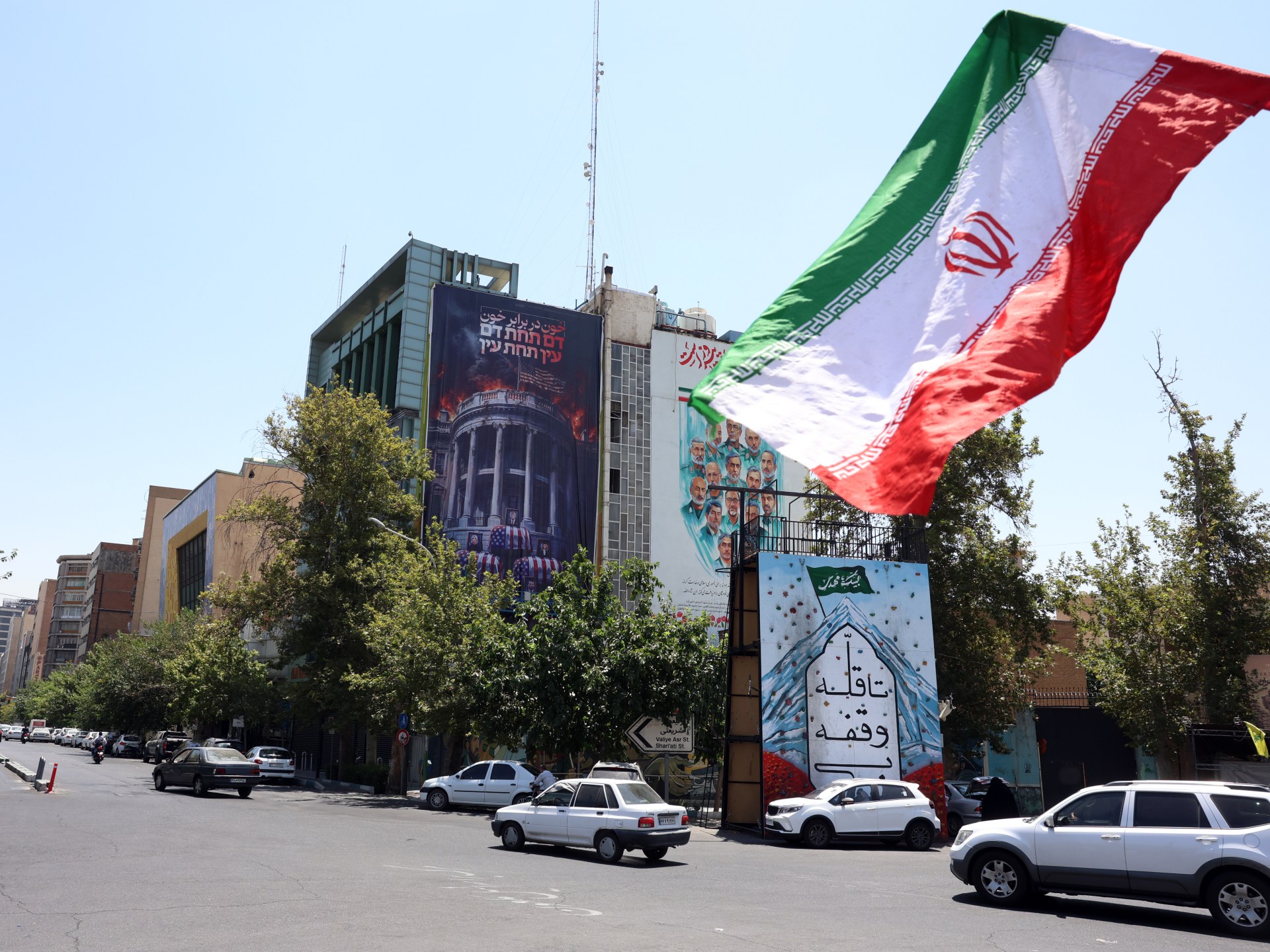
The United States launched a sixth consecutive night of strikes on Iran on Thursday, hitting targets across the country’s south as fighting over the Strait of Hormuz intensified and a preliminary deal to end the war came under growing strain.
US Central Command said the attacks began at 18:00 GMT and were intended to “further degrade Iranian military capabilities.” Iranian state and local media reported explosions and strikes in several locations, including Qeshm Island near the Strait of Hormuz, Bandar Abbas, Bushehr, Chabahar, Iranshahr and Bandar-e Khamir.
Iran’s Tasnim news agency reported that a US missile attack targeted an airport in Iranshahr and that another “enemy” attack struck a communications tower in Bandar Abbas, cutting power in the area. Fars news agency reported a suspected US attack on a bridge in Bandar-e Khamir. Iranian state media also said missiles struck close to Qeshm, as well as in Bandar Abbas and Bushehr, the site of a nuclear power plant.
The renewed strikes followed overnight exchanges between the two countries. Earlier Thursday, Tehran said it had attacked US military bases in Jordan, Kuwait and Bahrain. Iran’s Islamic Revolutionary Guard Corps said it struck an airbase used by US forces in Bahrain in response to what it called a “barbaric” US attack that forced the evacuation of a children’s cancer hospital in Ahvaz. The IRGC also claimed attacks on Kuwait and Jordan.
Kuwait’s army said Iran’s attacks included 32 drones and targeted vital facilities, causing material damage. The BBC reported that the US said it had carried out a six-hour wave of strikes on multiple locations in the strait.
The Strait of Hormuz, a critical waterway off Iran’s coast, has remained shut after Tehran effectively blocked it in response to US-Israeli strikes, the BBC reported. The two sides are battling for control of the strait, and US officials have tied the latest military action to Iranian attacks on shipping.
White House press secretary Karoline Leavitt said President Donald Trump remained willing to negotiate, even as Washington escalated its attacks. “The president will hold them accountable when they turn their back on the words that they state to the United States. But he is always open to diplomacy at the very same time,” she told reporters.
Leavitt said Iran had expressed that it still wanted to make a deal with the US. “We’re talking to them, but again, the president is not going to allow them to fire on ships in the strait without paying a consequence for that,” she said.
Iran’s Ministry of Foreign Affairs said Wednesday that Tehran had no plans to engage in talks with the US and was focused solely on defending the country, Al Jazeera reported. Iran’s top negotiator, Mohammad Bagher Ghalibaf, told state media that Tehran had “no reason” to abide by any agreement that did not benefit the country. He said Iran’s national security depended on maintaining what he described as “Iranian arrangements” in the Strait of Hormuz.
The latest escalation came days after Trump warned Iran it had “better behave” or face further military action if it did not return to negotiations. Earlier in the week, Trump threatened to target Iran’s power plants and bridges if it did not return to the negotiating table, according to Al Jazeera. Iranian Brigadier General Ebrahim Zolfaghari said such attacks would be met with a “crushing blow” on regional infrastructure.
Iranian army spokesman Mohammad Akraminia warned that Iran’s attacks “will spread to new areas” if US strikes continue. Al Jazeera reported that Gulf states are strengthening air defences and military preparedness around crucial infrastructure “in this time of uncertainty.”
Trump on Wednesday also praised Iran for freeing Dena Karari, a US detainee he said had been “wrongfully detained” in December 2024. “The United States of America appreciates this gesture of Goodwill by Iran!” he wrote on Truth Social. Karari’s attorney, Jared Genser, said she was on her way back to the US. Iran’s judiciary, however, said Thursday that no US prisoner had been released or exchanged from its prisons, Iranian state media reported.





Be First to Comment