Key takeaways:
- Service members 30 and older will receive annual testosterone deficiency screenings as part of regular health assessments, while troops under 30 may opt in voluntarily.
- Hegseth said testosterone replacement therapy would be voluntary and used when recommended by military medical professionals.
- The policy follows Trump administration efforts to loosen restrictions on testosterone replacement therapy and expand access to hormone treatments.
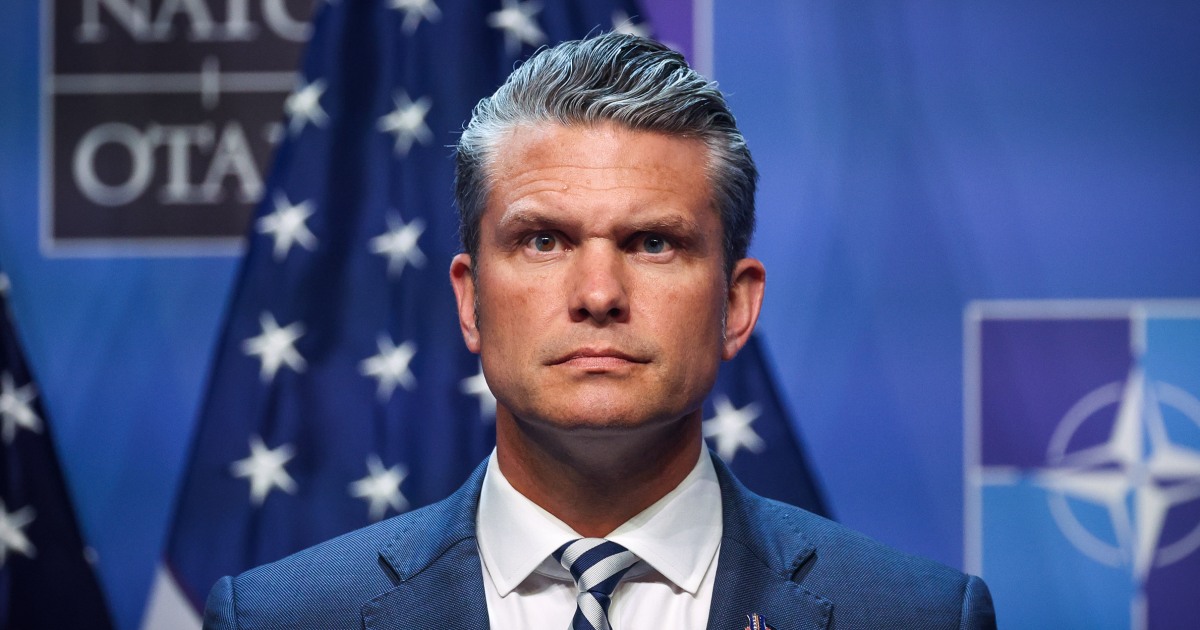
The Pentagon will begin annual testosterone deficiency screenings for service members 30 and older and recommend hormone therapy when medical teams deem it appropriate, Defense Secretary Pete Hegseth announced Wednesday.
Hegseth outlined the new policy in a video posted to X, saying the screenings will be included in troops’ regular periodic health assessments. Service members under 30 will be able to request the test voluntarily.
“I’m authorizing a new screening program for testosterone deficiency for our service members, ensuring you have the right testosterone levels to operate at your absolute best,” Hegseth said.
He said any treatment, including testosterone replacement therapy, would be voluntary if recommended by medical professionals. “This initiative — it’s not about artificial enhancement; it’s about restoring and optimizing your natural capabilities, protecting your longevity, and ensuring you have the biological foundation required to sustain the fight,” Hegseth said.
The defense secretary framed the effort as an investment in service members’ health and performance. He called “the individual warfighter” the military’s “most decisive tactical advantage” and said the department has a “sacred duty” to preserve it.
“As we know, the modern battlefield is brutal and unrelenting,” Hegseth said. “It requires and demands maximum psychological and mental readiness, and by addressing these health markers early, we’re keeping you on the leading edge of lethality, and giving you the same level of support that you give this nation – the absolute best.”
The Defense Department declined to tell NBC News whether it would also offer estrogen screenings for female service members or whether there would be any consequences for troops who are advised to take testosterone treatment but decline. The department referred the network to Hegseth’s video.
The policy comes as the Trump administration has pushed to expand access to testosterone replacement therapy. The Department of Health and Human Services, led by Secretary Robert F. Kennedy Jr., proposed earlier this month to loosen restrictions on the treatment. That followed a Food and Drug Administration panel’s call in December for regulatory changes to make testosterone therapy more accessible.
Kennedy has said he takes testosterone replacements, which he described as “appropriate for my age.” The Guardian reported that Kennedy has also spoken about injecting testosterone as part of a personal “anti-aging regimen” and warned in October, without evidence, that today’s American teenagers have “50% of the testosterone of a 65-year-old man.”
Men’s testosterone levels naturally decline beginning in their 30s or 40s. When levels fall below certain thresholds, low testosterone can be associated with health issues including lower bone density and erectile dysfunction.
Since 2015, testosterone replacement therapies have carried warning labels and have been available only to men who have both low testosterone and an associated medical condition. Some earlier research linked the therapy to strokes, heart attacks and death, but a 2023 study known as the TRAVERSE trial found that testosterone replacement therapy did not increase the risk of heart attacks and strokes.
Administration health officials have also promoted potential benefits of hormone replacement therapy for women. The FDA last year removed black box warnings on therapies used for menopause.
The Guardian reported that Hegseth’s announcement did not address the more than 231,000 women serving on active duty in the U.S. military. The outlet also cited research published in Social Science and Medicine that found young men are being aggressively targeted online by influencers and wellness companies promoting hormone tests and treatments as essential to being a “real man,” despite screening for low testosterone being medically unwarranted for most people in that age group.










Be First to Comment